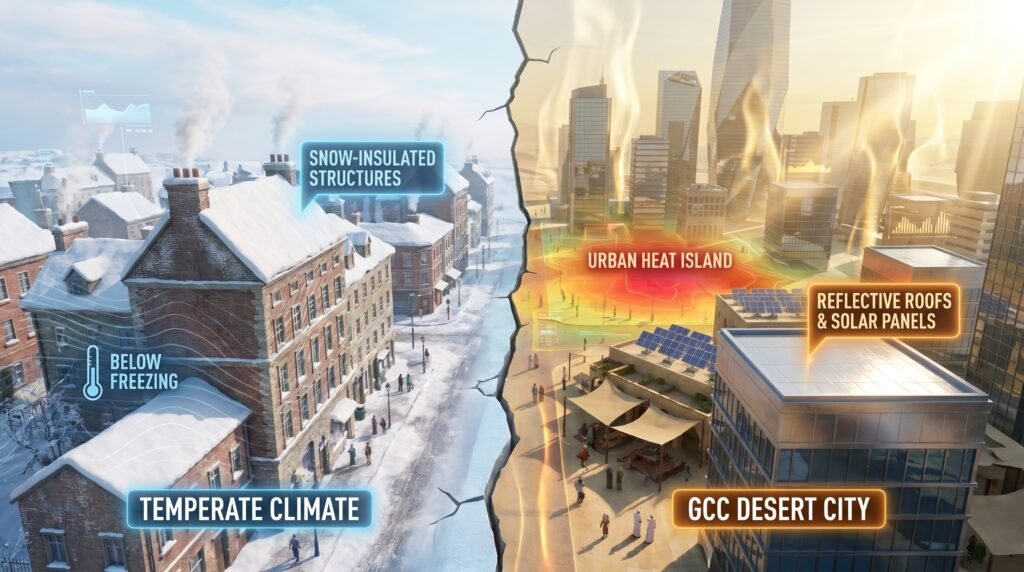
It is nearly impossible to step outside in summer in many parts of the GCC, as temperatures regularly exceed 45°C. Air conditioners run day and night, in homes and in vehicles. Water desalination plants consume enormous amounts of energy. Entire cities glow with heat long after sunset because concrete, asphalt, and glass continue to radiate stored daytime heat, creating the heat island effect.
This is not just a comfort issue anymore. It is an economic issue, a public health issue, an infrastructure issue, and, increasingly, a climate resilience issue.
Across the UAE, Saudi Arabia, Qatar, Oman, Bahrain, and Kuwait, electricity demand spikes dramatically during summer months because cooling buildings has become one of the largest energy burdens in modern urban life. Families face rising electricity bills, commercial buildings struggle with operational costs, and cities battle with urban heat islands that intensify outdoor temperatures.
Moreover, water shortages continue to affect daily life across the region. Landscaping choices designed for colder climates often fail in Gulf environments, while imported architecture and glass structures frequently trap rather than reduce heat and perform poorly under relentless desert sun.
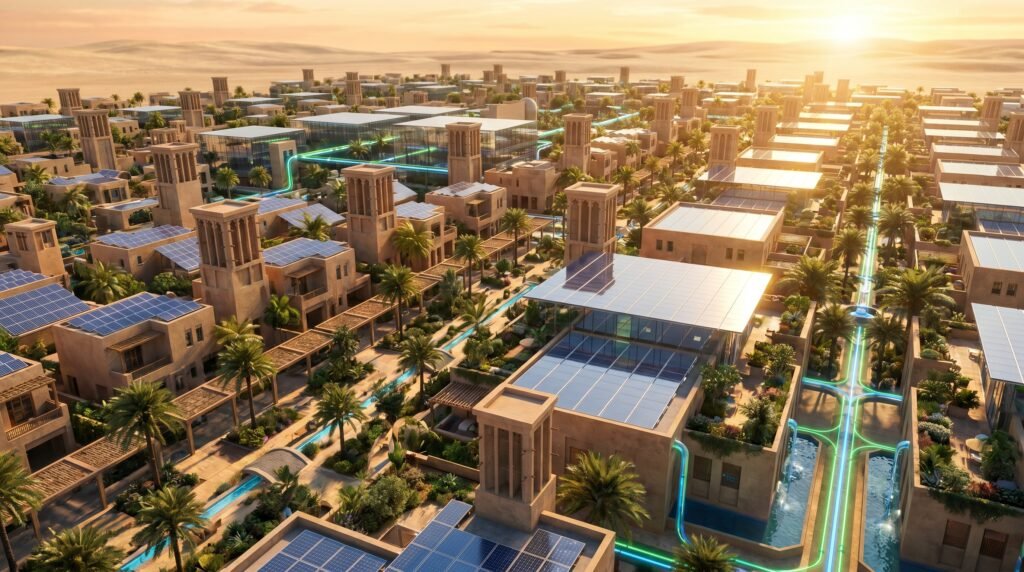
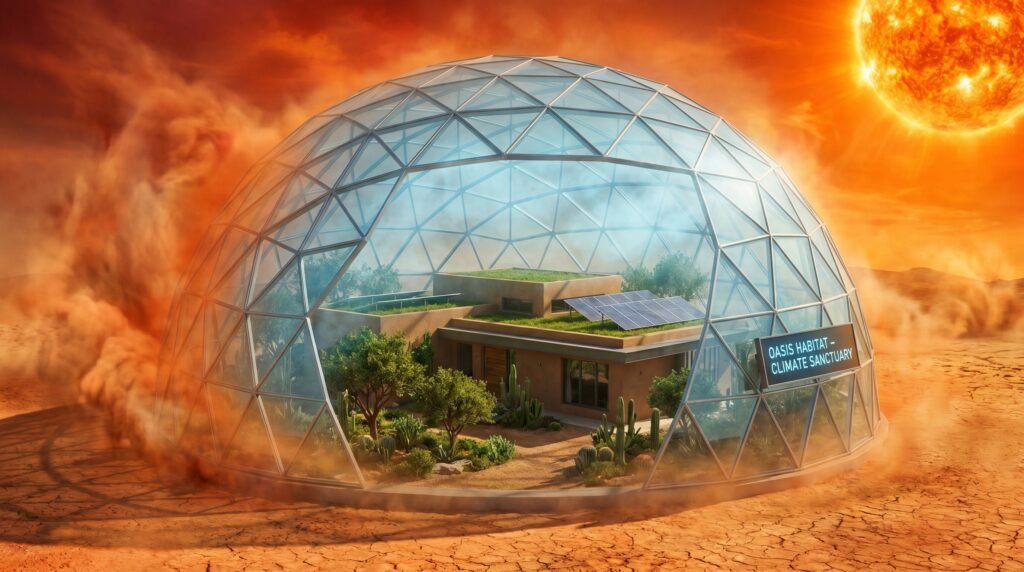
Yet the GCC possesses a unique opportunity. The region receives some of the highest solar exposure on Earth. Traditional Gulf architecture already contains centuries of climate-adapted wisdom. Governments are investing heavily in renewable energy, smart cities, green mobility, and net-zero development strategies.
Sustainable living in hotter climates is no longer about sacrificing comfort. It is about designing smarter homes, healthier cities, lower utility costs, and more resilient communities tailored to desert environments.
The future of sustainable living in the GCC will not look like Europe or North America. It will be uniquely adapted to heat, sunlight, water scarcity, and the evolving needs of rapidly growing urban populations.
Why Sustainability in Hot Climates Is Completely Different
Many sustainability models promoted worldwide were originally developed for colder or temperate regions. That creates a major problem for GCC homeowners, architects, developers, and planners trying to apply imported solutions in desert climates. What works excellently in Scandinavia may fail completely in Riyadh or Dubai.
Extreme Cooling Demands
In Europe, buildings are primarily designed to retain heat. In the GCC, the challenge is the opposite: preventing heat gain while reducing dependence on air conditioning.
Cooling systems in hot climate regions can account for over half of household electricity consumption during peak summer months. That changes everything about sustainable design.
Urban Heat Islands
Modern cities in the GCC contain enormous volumes of asphalt, dark roofing, glass towers, dense infrastructure, and limited natural shading.
These materials absorb and retain heat throughout the day, creating “urban heat islands” where city temperatures remain significantly higher than those in surrounding desert areas. Even nighttime temperatures stay elevated.
Water Scarcity
Contrary to wetter climates, GCC countries must carefully manage every drop of freshwater. Water desalination is energy-intensive, expensive, and environmentally demanding. This makes water conservation strategies in GCCs absolutely essential.
Dust, Sandstorms, and Humidity
Sustainability in hot climates also faces unique challenges, such as the accumulation of sand and dust on solar panels, a corrosive coastal environment due to excessive humidity, airborne dust, harsh UV exposure, and extreme thermal expansion.
Buildings in Doha, Abu Dhabi, or Kuwait City must survive conditions very different from those in London or Toronto. The most effective sustainable architecture solutions for desert climates are specifically adapted to these regional realities.
Sustainable Cooling & Passive Design
Reduce The Heat Before Cooling It
One of the biggest mistakes in GCC construction is relying almost entirely on mechanical cooling. True sustainable homes, UAE developers increasingly prioritize passive cooling strategies to reduce heat gain naturally before air conditioning systems even activate. This approach dramatically lowers electricity bills while improving comfort.
Building Orientation
A poorly oriented villa in the UAE absorbs enormous solar heat throughout the afternoon. Smart orientation strategies can reduce direct solar exposure by minimizing west-facing glass, optimizing shading angles, improving airflow pathways, and reducing thermal stress on walls.
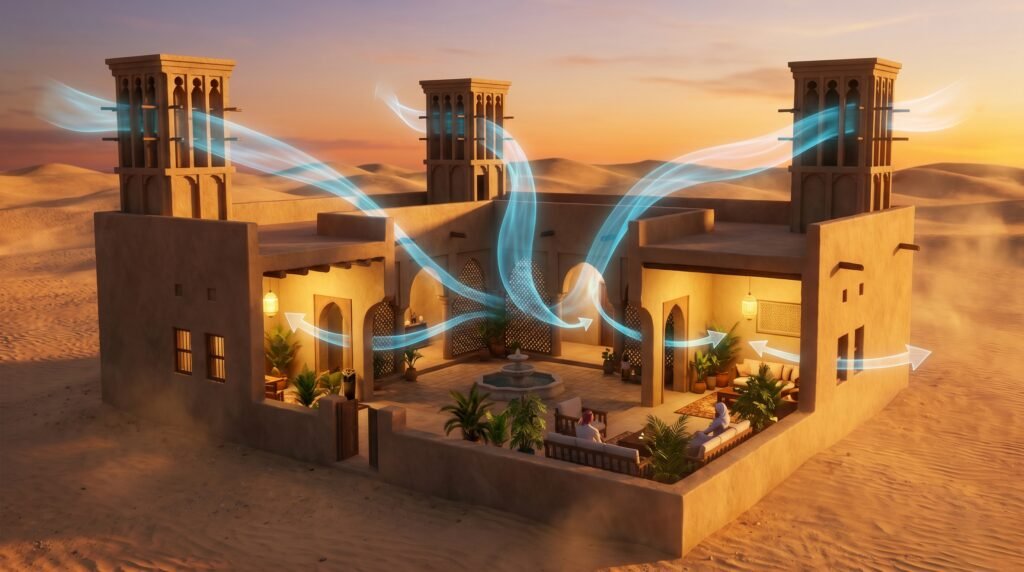
Traditional homes across the GCC understood this centuries ago. Houses with courtyards, narrow streets, and inward-facing layouts were specifically designed for desert climates.
Reflective Roofing and Cool Roof Technologies
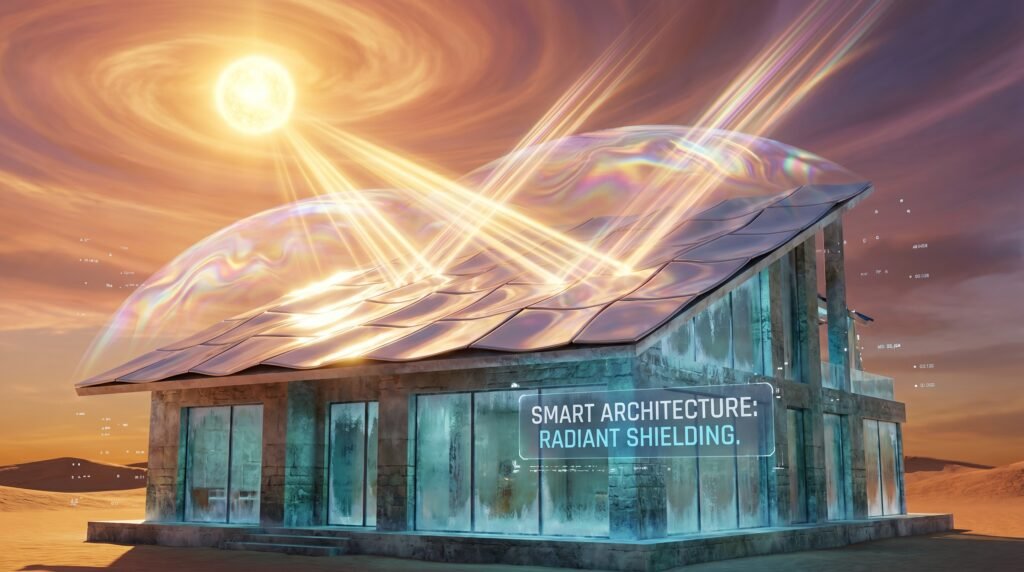
Roof surfaces absorb significant amounts of heat during GCC summers. Cool roofing technologies use reflective coatings and heat-resistant materials to significantly reduce surface temperatures. This will result in lower indoor temperatures, reduced AC loads, extended roof lifespan, and improved thermal comfort.
For villas and commercial buildings alike, reflective roofing is one of the fastest-return sustainability upgrades available.
Thermal Insulation
Many people associate insulation with cold countries, but thermal insulation is equally critical in desert environments.
Proper insulation helps prevent outdoor heat infiltration, stabilize indoor temperatures, reduce cooling demand, and improve energy efficiency.
Heat-resilient buildings in the GCC increasingly use:
- Insulated concrete forms
- Aerated blocks
- Thermal barriers
- High-performance glazing
- Insulated roofing systems
Shading Systems & Mashrabiya Concepts
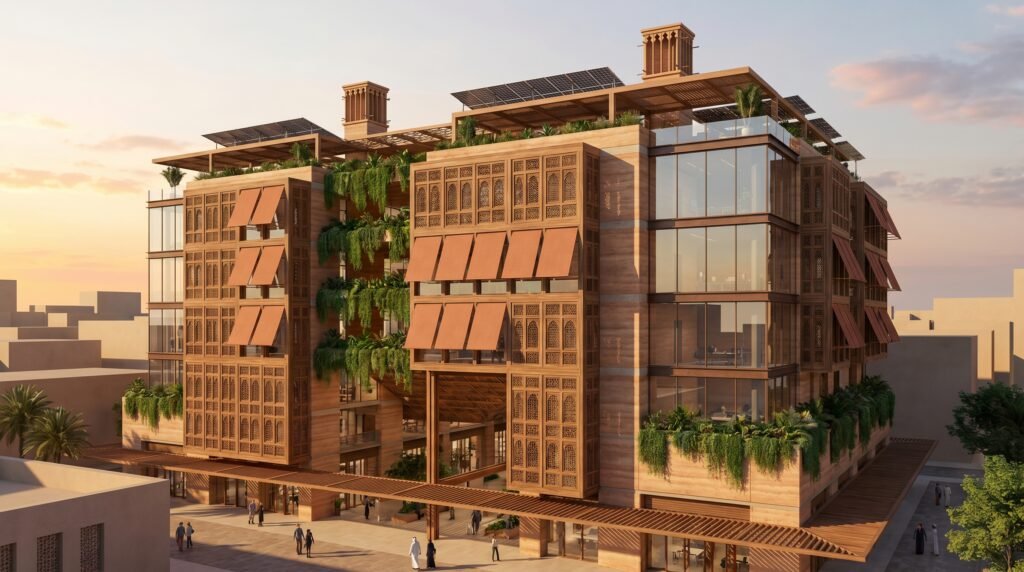
Traditional mashrabiya screens remain among the most intelligent passive-cooling innovations ever developed for hot climates. These beautifully patterned screens filter sunlight, improve privacy, reduce glare, and encourage airflow.
Modern sustainable architecture is reinterpreting the concept of the mashrabiya through advanced materials and smart facades. This combination of heritage and innovation becomes the epicenter of the UAE’s green building design philosophy.
Water Conservation & Smart Water Management
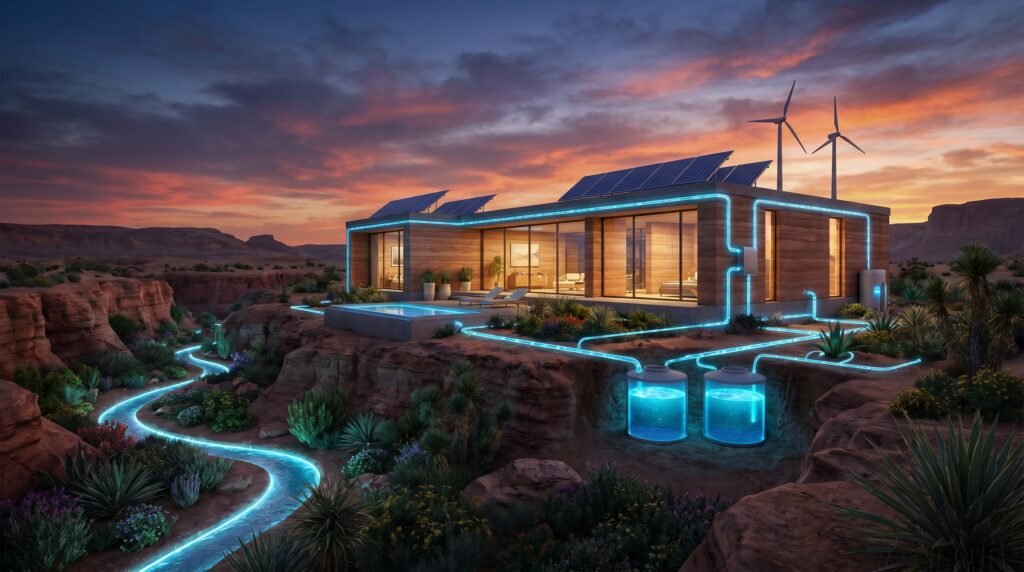
In hot climates, sustainability is impossible without serious water conservation efforts. Every household, villa compound, commercial project, and urban development must rethink water use.
Greywater Reuse Systems
Greywater systems collect and recycle water from sinks, showers, and washing machines.
This water can then be reused for irrigation, landscaping, and non-potable applications. For sustainable villa design projects, greywater reuse can dramatically reduce freshwater demand.
Xeriscaping: The Future of Desert Landscaping
One of the worst sustainability mistakes in GCC communities is adopting water-hungry landscaping models from wetter countries.
Xeriscaping focuses on drought-resistant plants, minimal irrigation, native vegetation, and water-efficient design. Beautiful landscapes do not require excessive water consumption. In fact, sustainable desert landscaping often looks more authentic, elegant, and climate-appropriate than imported tropical designs.
Smart Irrigation Technologies
Modern water conservation systems in the GCC increasingly use soil moisture sensors, weather-responsive irrigation, drip irrigation systems, leak detection, and AI-controlled water management. These technologies reduce water waste while improving plant health.
Native GCC Plants for Sustainable Landscaping
Excellent drought-tolerant options include ghaf trees, date palms, desert grasses, acacia species, and native succulents. These plants require far less maintenance and irrigation while supporting regional biodiversity.
Renewable Energy & Solar Living
The GCC Has One of the Greatest Solar Advantages on Earth. Few regions possess the solar potential of the Arabian Peninsula. Long sunlight hours and intense solar exposure make solar energy in the UAE and across the wider GCC one of the most logical sustainability transitions.
Rooftop Solar for Villas
Residential solar systems can help homeowners reduce electricity bills, offset daytime cooling demand, improve property value, and reduce carbon emissions. Battery storage systems are also becoming increasingly attractive for energy resilience.
Solar Water Heating
Water heating consumes considerable electricity in many homes. Solar water heating systems are highly effective in GCC climates due to year-round consistent sunshine.
Solar-Powered Cooling Systems
One of the most promising innovations in sustainable cooling systems involves using solar energy to power cooling infrastructure during peak sunlight hours — exactly when cooling demand is highest. This creates strong energy alignment.
Challenges: Dust and Sandstorms
Solar energy systems in desert climates face unique challenges, including dust accumulation, sand abrasion from strong winds, reduced panel efficiency, and increased water requirements for cleaning. New robotic cleaning systems and anti-soiling coatings are helping solve these issues.
Smart Energy Systems
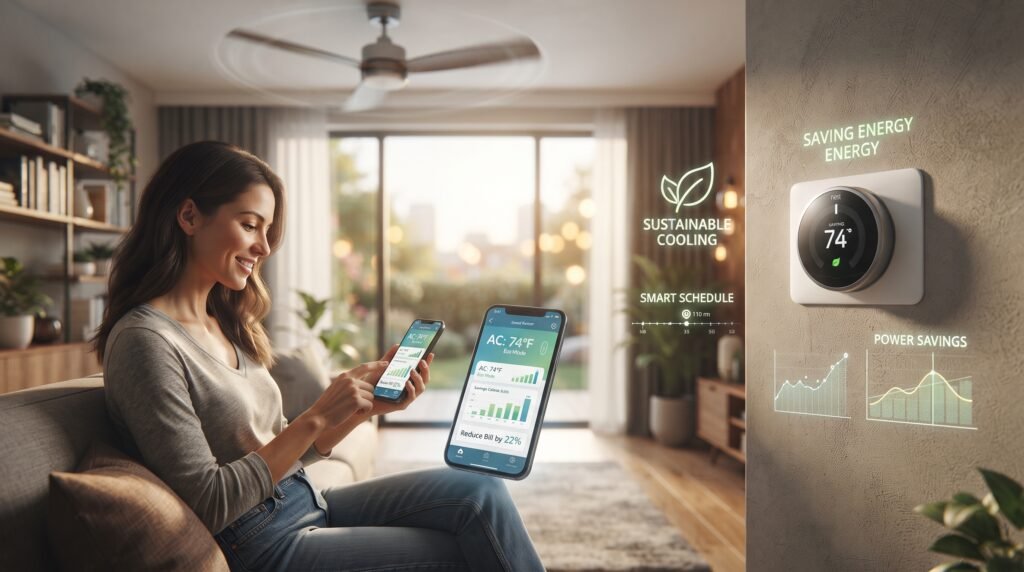
Modern sustainable homes increasingly integrate AI energy optimization, smart thermostats, occupancy-based cooling, automated shading systems, and energy monitoring dashboards Reducing AC electricity bills is no longer just about using less energy. It is about using energy intelligently.
Sustainable Architecture & Green Buildings
Sustainable buildings must be designed for human comfort. The true concept of sustainability goes far beyond energy ratings. It is about creating spaces that feel healthier, calmer, cooler, brighter, and more comfortable.
Healthy Indoor Environments
Indoor environmental quality directly affects lifestyle, for example, productivity, sleep quality, respiratory health, stress levels, and cognitive performance.
Modern green building projects, specifically in the UAE, increasingly prioritize low-VOC paints, natural daylighting, healthy ventilation, acoustic comfort, and humidity management.
Sustainable Construction Materials
Heat-resilient buildings often use materials that are specifically chosen for desert durability and thermal performance.
Popular sustainable materials are recycled steel, rammed earth, insulated concrete systems, low-carbon cement, and recycled wood composites.
Traditional Gulf Architecture vs Modern Glass Towers
Traditional architecture in the Gulf region has evolved carefully over centuries. Those design features contained thick thermal walls, courtyards, shaded openings, wind towers, and compact urban form.
Many modern developments ignored this wisdom in favor of globalized aesthetics dominated by glass facades and excessive dependence on cooling.
Today, the most innovative sustainable architecture combines advanced engineering, smart systems, and traditional climate wisdom. This hybrid approach is shaping the future of sustainable homes in the UAE and should be adopted all across the GCC.
Green Building Certifications
Across the GCC, sustainability frameworks are becoming increasingly important. LEED, Estidama, Mostadam, and GSAS are leaders in green building certification, each with its own rating system.
These certifications encourage higher environmental performance standards while improving long-term operational efficiency.
Sustainable Urban Living in GCC Cities
Walkable Communities
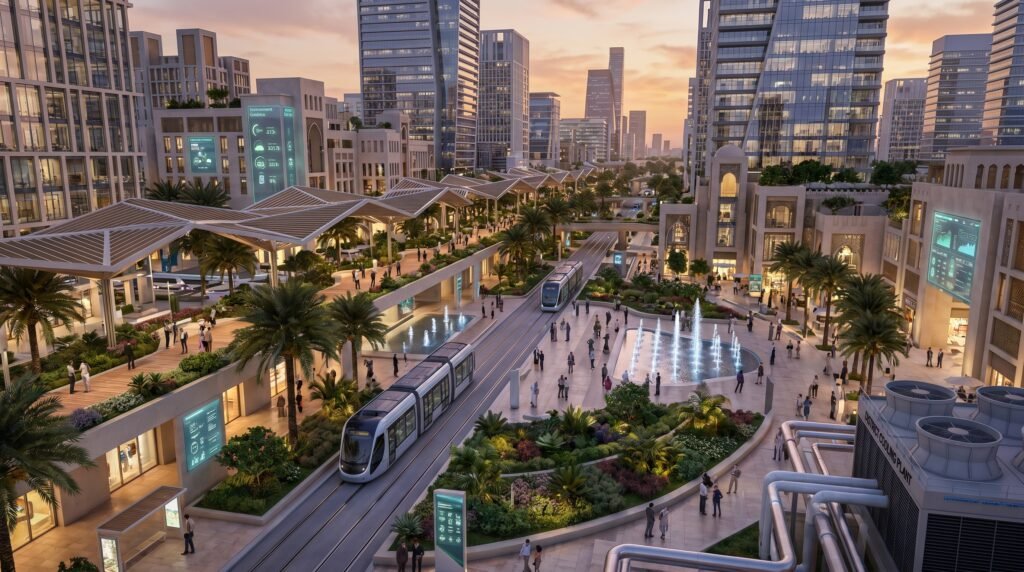
Extreme heat conditions often discourage walking in GCC cities. However, shaded pedestrian infrastructure can dramatically improve urban mobility. Modern community building should encourage shaded walkways, covered transit stops, integrated greenery, cooling corridors, and mixed-use neighborhoods.
Urban Greenery and Cooling Public Spaces
In hot climates, trees are not decorative luxuries. They are essential cooling infrastructure. Urban greenery helps to reduce surface temperatures, improve air quality, create thermal comfort, and support mental health.
Cities like Dubai, Abu Dhabi, Riyadh, Doha, and Muscat are increasingly investing in climate-adapted urban greenery initiatives.
Smart City Infrastructure
Future GCC cities will rely heavily on AI traffic systems, smart energy grids, district cooling, autonomous mobility, and climate monitoring networks.
District cooling systems are particularly important because they improve cooling efficiency at the urban scale.
Mixed-Use Developments
Sustainable urban planning reduces long-distance commuting by integrating residential spaces, offices, retail, gyms, mosques, parks, recreation, and public services. Close proximity reduces transportation emissions while improving quality of life.
Sustainable Landscaping for Desert Regions
Correct Landscaping
Outdoor design in hot climates must balance beauty, comfort, and water efficiency. When done correctly, sustainable landscaping can significantly reduce surrounding temperatures.
Tree Shades
Strategically planted trees help reduce heat around villas, parking lots, courtyards, and pedestrian spaces. Tree canopies lower surface temperatures while improving outdoor usability.
Sustainable Hardscaping
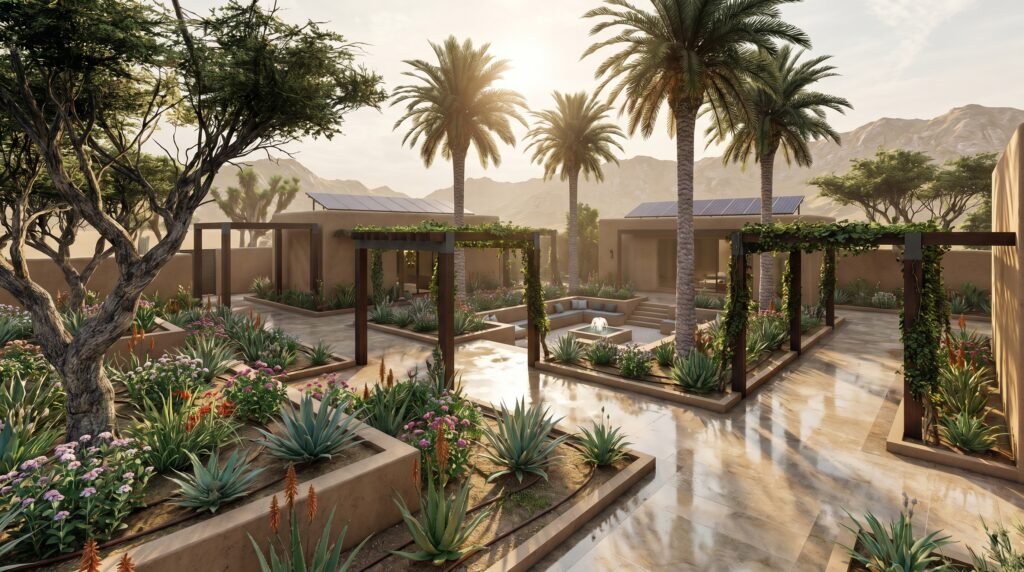
Traditional dark paving materials absorb enormous heat. Better alternatives could include reflective paving, permeable surfaces, light-colored stone, and shaded outdoor flooring.
Outdoor Cooling Strategies
Sustainable outdoor cooling can include bioclimatic pergolas, tensile shade structures, evaporative cooling zones, green walls, and shaded courtyards. These solutions can dramatically improve livability without excessive energy consumption.
Indoor Environmental Health
Sustainability is also about human wellness. People spend most of their lives indoors. In hot climates where outdoor exposure can be limited during summer, indoor environmental quality becomes even more important.
Indoor Air Quality
Poor indoor air quality can worsen allergies, asthma, fatigue, headaches, respiratory issues, and other health issues.
Healthy, sustainable homes prioritize fresh air exchange, air filtration, low-emission materials, and humidity control.
Humidity Control in Coastal GCC Regions
Coastal cities such as Dubai, Doha, and Bahrain experience high humidity, which increases discomfort, the risk of mold growth, and the likelihood of corrosive conditions. Smart humidity management systems improve comfort, energy efficiency, and indoor health.
Natural Daylighting
Good daylight design reduces dependence on artificial lighting while improving mood and productivity.
However, daylighting in desert climates must be carefully controlled to avoid excessive solar heat gain.
This requires advanced glazing and shading strategies.
The Future of Sustainability in Hot Climate Regions
The GCC could become a global sustainability leader. The future of sustainability in desert climates is no longer theoretical. It is already happening.
Net-Zero Cities
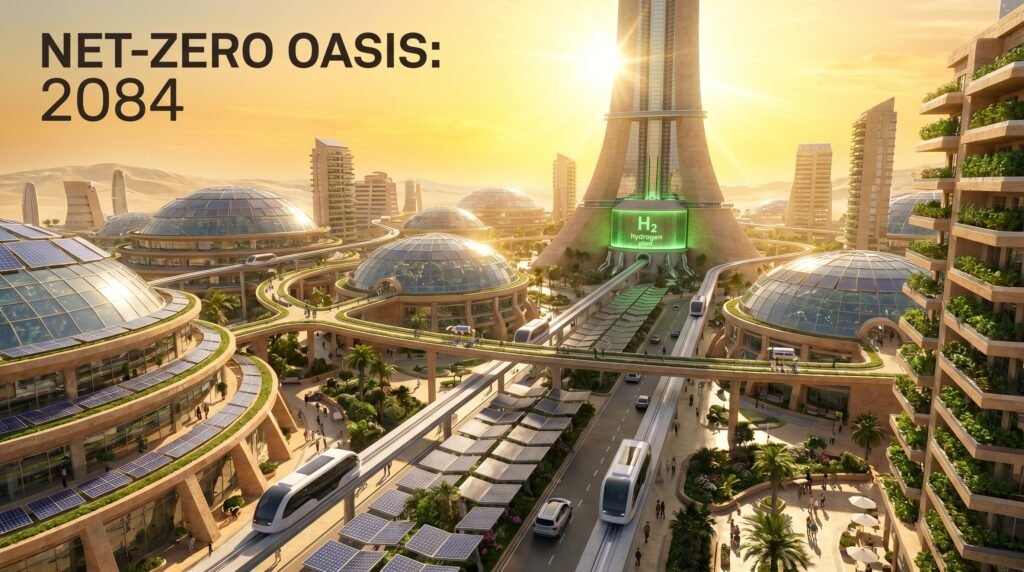
Large-scale developments across the GCC are pursuing net-zero emissions, renewable energy integration, smart mobility, and circular resource systems.
AI-Powered Smart Buildings
Artificial intelligence is transforming building operations through predictive cooling optimization, occupancy-based energy control, automated maintenance, and smart water management.
Circular Economies
Future sustainability models will increasingly emphasize material reuse, waste reduction, local production, and resource efficiency.
Green Hydrogen & Clean Energy
Saudi Arabia and the UAE are investing heavily in green hydrogen as part of long-term energy transition strategies.
This could position the GCC as a major exporter of clean energy in the future.
Sustainable Tourism
Eco-conscious tourism is becoming increasingly important across Oman, Saudi Arabia, and the UAE.
Future hospitality projects will prioritize low-impact development, renewable energy, ecological conservation, and authentic regional architecture.
Resilient Communities
Ultimately, sustainable living in hot climates is about resilience. Communities that adapt intelligently to heat, water scarcity, and environmental pressures will be healthier, more efficient, and more economically stable in the decades ahead.
Common Sustainability Mistakes in GCC Homes
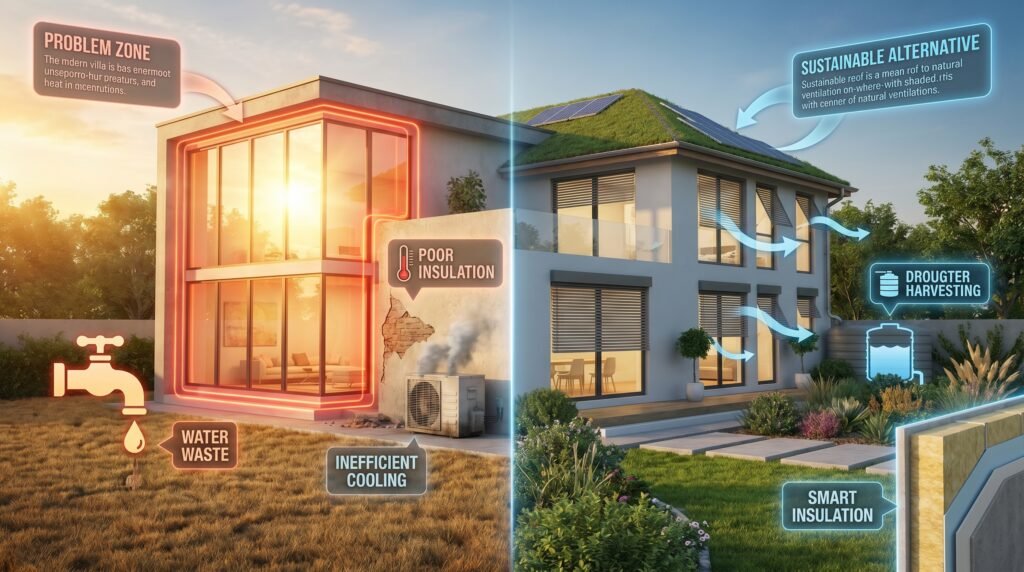
Overreliance on AC: Cooling should be the final layer—not the first solution.
Ignoring Building Orientation: Poor orientation dramatically increases heat gain.
Water-Intensive Landscaping: Imported lawns waste enormous amounts of water resources.
Cheap Insulation Choices: Low-quality insulation increases long-term operational costs.
Excessive Glass Architecture: Aesthetic trends should never override climate performance.
Practical Sustainability Tips for GCC Homeowners
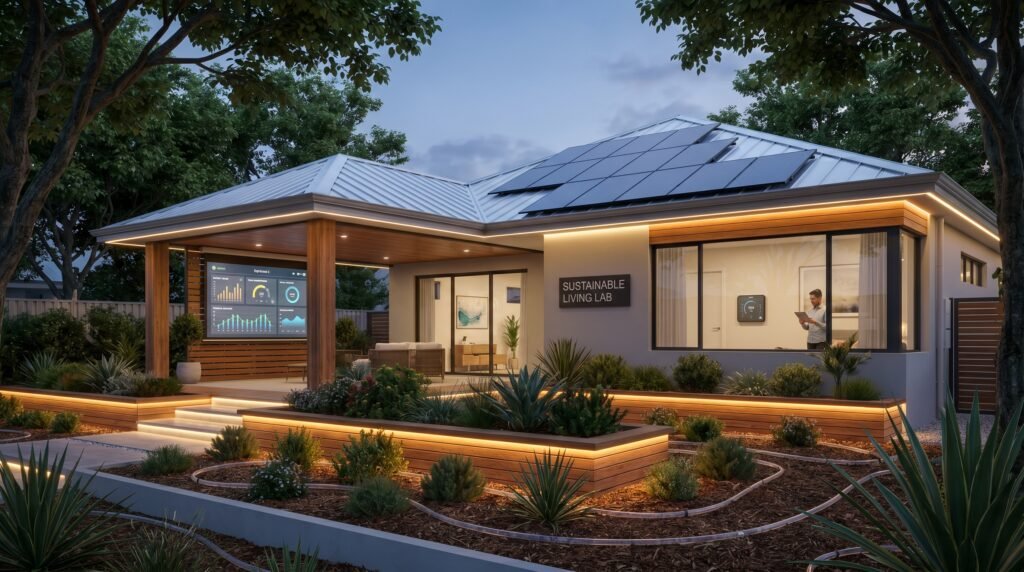
- Install reflective coating on roofs.
- Upgrade insulation.
- Use smart thermostats.
- Switch to LED lighting.
- Plant shade trees strategically.
- Install drip irrigation systems.
- Use low-flow fixtures.
- Choose native landscaping.
- Monitor electricity consumption.
- Reduce unnecessary heat-generating appliances.
Final Thoughts
The future of the GCC will be shaped not only by technology and economic growth, but also by how intelligently the region adapts to heat, water scarcity, and environmental pressures.
Sustainability in hot climates is not about copying international trends, but about creating solutions deeply rooted in desert realities. The most successful homes, buildings, communities, and cities of the future will be those that understand a simple truth: In extreme climates, sustainability is not an optional lifestyle upgrade. It is the foundation of long-term comfort, resilience, health, and prosperity.
Related Guides
Organic Concealer Guide: Can One Fix Both Under-Eyes and Blemishes?
Organic Serums Decoded: Which Natural Actives Are Actually Stable?

Best Certified Organic Korean Skincare-Makeup Hybrids [2026 Guide]

Organic Foundation Guide 2026: Find Your Perfect Match

How to Choose Organic Lipstick: A Shade-by-Shade, Ingredient-by-Ingredient Guide

10 Proven Ways to Reduce Your AC Energy Bills in the GCC