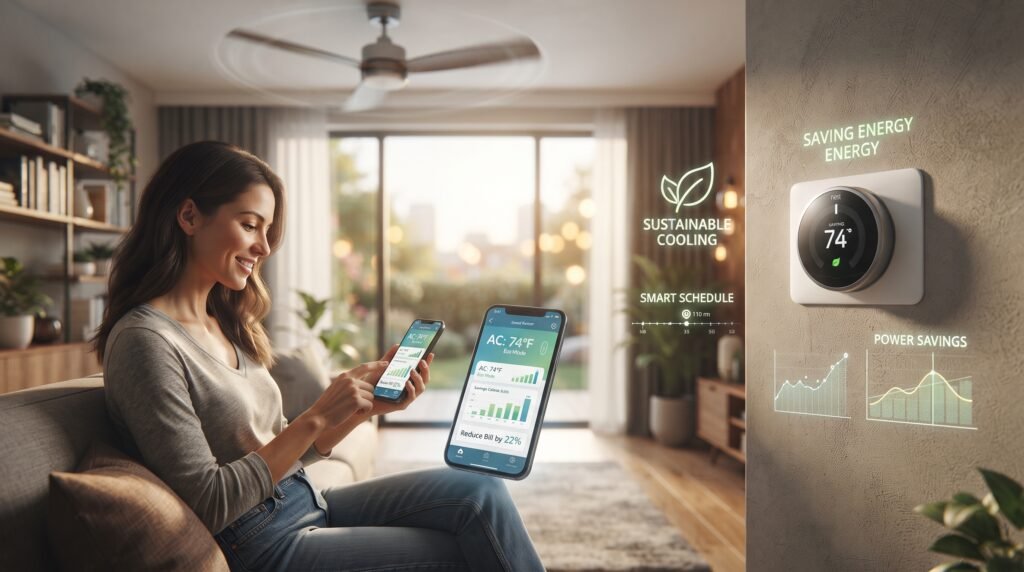
Most people notice a building only when something goes wrong. The electricity bill suddenly doubles during the summer. An apartment feels unbearably hot even with the air conditioner running all day. Office workers complain about headaches, poor ventilation, and stale indoor air. Cities become harder to live in as concrete traps heat long after sunset.
What often goes unnoticed is that many buildings quietly waste enormous amounts of energy every single day. Around the world, buildings consume massive quantities of electricity, water, raw materials, and fuel. Poor insulation, inefficient lighting, weak ventilation, and outdated construction methods increase operating costs and contribute significantly to carbon emissions. In dense urban areas, inefficient buildings worsen heatwaves, air pollution, and environmental stress.
This is where green building and sustainable design become far more than architectural trends. A well-designed building can stay naturally cooler, use less electricity, reduce long-term maintenance costs, improve indoor health, and even increase property value over time. Sustainable architecture is not simply about adding solar panels or planting a few trees around a structure. It is about designing spaces that work with climate, energy, and human well-being instead of constantly fighting against them.
As cities continue to grow and energy costs rise, energy-efficient buildings are becoming one of the most practical investments societies can make for both environmental resilience and financial stability.
What Is a Green Building?
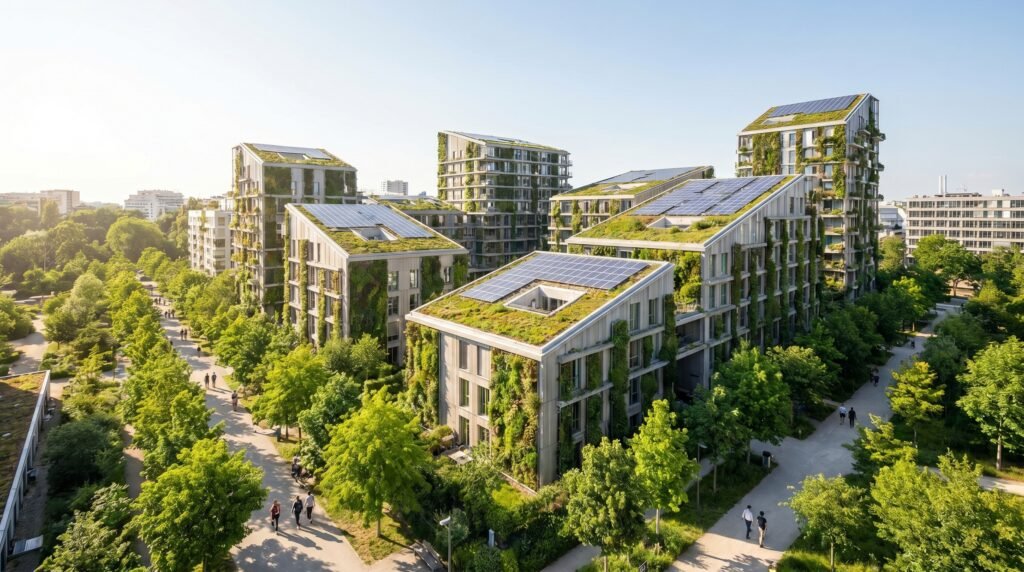
A green building is designed to reduce environmental impact while improving efficiency, comfort, and long-term sustainability throughout its lifecycle. This includes planning, construction, operation, maintenance, and even demolition or reuse of materials.
Unlike traditional construction that often prioritizes short-term savings, sustainable construction focuses on reducing energy waste, conserving resources, and creating healthier indoor environments. A truly sustainable building considers how people live inside it every day — how sunlight enters rooms, how air circulates, how much water is consumed, and how materials affect indoor health.
Why Traditional Buildings Waste So Much Energy
Many modern buildings rely too heavily on mechanical systems to fix problems that smarter design could have prevented from the beginning.
Poor orientation increases heat gain. Thin walls allow indoor cooling to escape. Sealed windows reduce natural airflow. Artificial lighting operates even during daylight hours. Large commercial buildings often cool empty spaces unnecessarily for hours.
The result is predictable:
- Higher electricity consumption
- Increased carbon emissions
- Expensive maintenance costs
- Poor indoor comfort
- Greater dependence on fossil fuels
In hot urban regions, inefficient buildings create a cycle in which rising temperatures increase cooling demand, which, in turn, increases energy use and emissions.
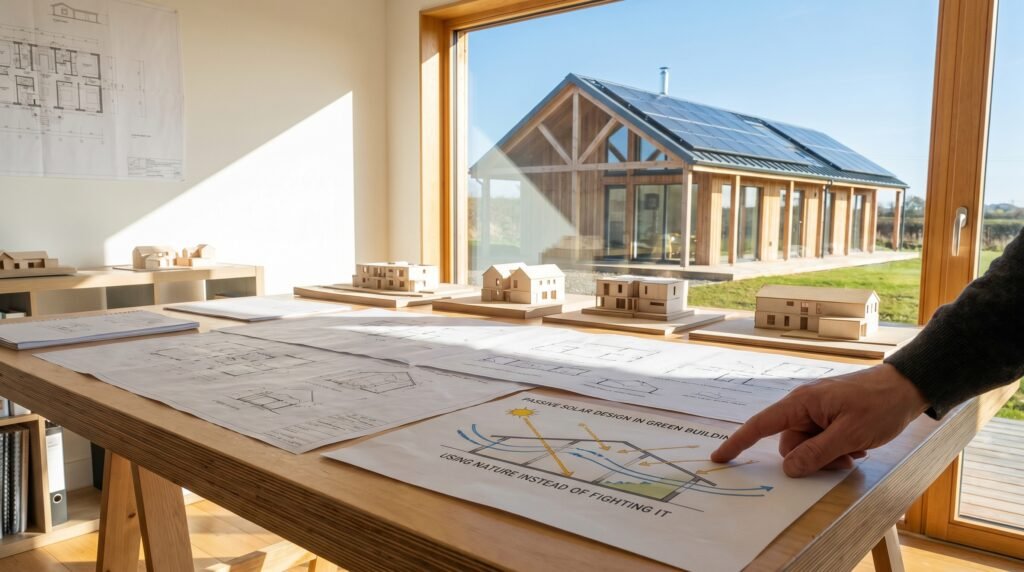
Passive Solar Design: Using Nature Instead of Fighting It
One of the smartest principles in green architecture is surprisingly simple: design buildings according to the local climate and sun patterns.
Passive solar design reduces the need for artificial heating and cooling by effectively using natural sunlight, shading, and orientation.
Key Benefits
- Proper building orientation lowers indoor heat gain during hot months
- Strategic window placement reduces daytime lighting costs
- Shading devices minimize excessive air-conditioning use
- Natural daylight improves mood and workplace productivity
- Reduced energy demand lowers long-term operational expenses
- Climate-responsive design creates more comfortable indoor spaces naturally
In many regions, passive design alone can significantly reduce cooling costs without relying on expensive technology.
Energy-Efficient Insulation and Building Envelopes
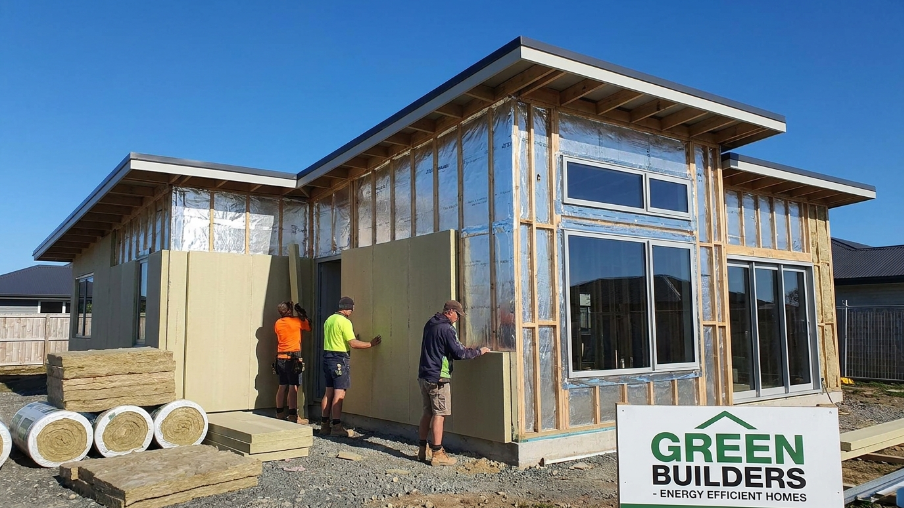
A poorly insulated building behaves almost like a leaking container. Cool air escapes constantly while outside heat pushes inward.
Good insulation helps stabilize indoor temperatures and reduces pressure on HVAC systems.
Why It Matters
- Lower energy consumption throughout the year
- Reduced strain on air-conditioning and heating equipment
- Improved indoor comfort during extreme weather
- Lower utility bills for homeowners and businesses
- Better sound insulation in dense urban environments
- Longer lifespan for cooling and heating systems
Energy-efficient buildings often recover insulation costs through savings over time, especially in areas with high electricity prices.
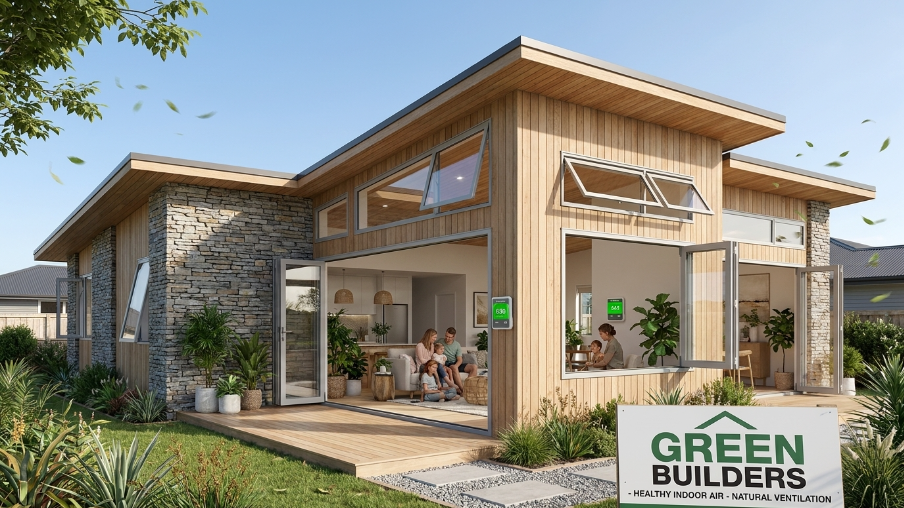
Natural Ventilation and Healthier Indoor Air
Many modern buildings trap air inside sealed environments that depend entirely on mechanical cooling systems. This can lead to stale indoor air, moisture problems, and poor occupant comfort.
Natural ventilation introduces fresh airflow while reducing energy use.
Practical Advantages
- Reduced dependence on constant air-conditioning
- Improved indoor air quality and reduced pollutants
- Better humidity control in residential and office spaces
- Lower risks of mold and indoor moisture buildup
- Increased comfort through natural airflow circulation
- Reduced operational energy costs over time
In schools, offices, and homes, proper ventilation has been linked to better concentration, fewer headaches, and improved overall well-being.
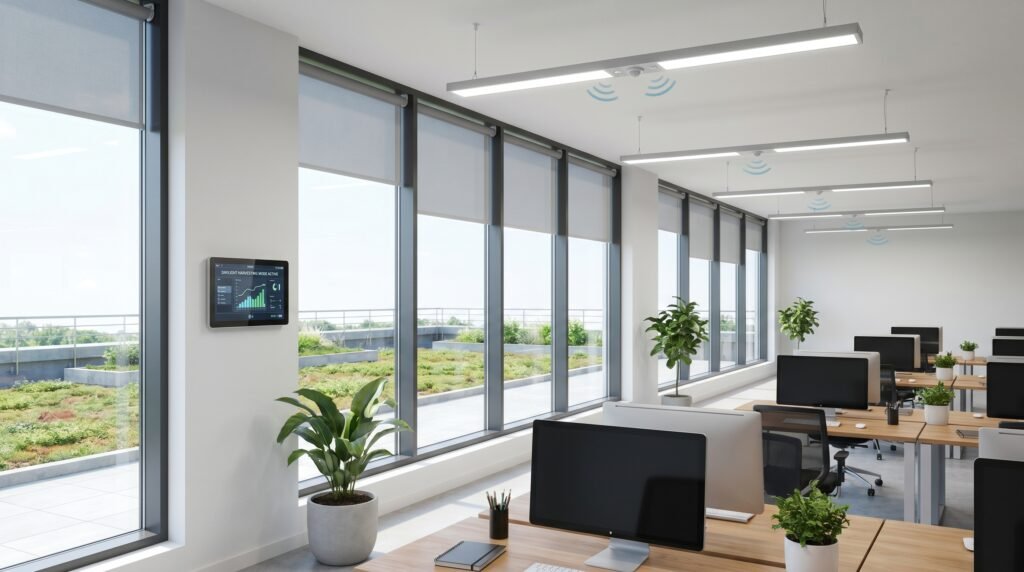
Smart Lighting Systems and Daylight Efficiency
Lighting may seem like a small issue, but inefficient lighting systems waste huge amounts of electricity in commercial and residential buildings.
Sustainable design uses daylight intelligently while integrating energy-saving technology.
Energy-Saving Benefits
- LED systems consume far less electricity than traditional lighting
- Motion sensors reduce unnecessary power usage
- Daylight-responsive systems adjust brightness automatically
- Lower electricity bills in offices, malls, and homes
- Reduced heat generation from lighting fixtures
- Longer-lasting systems reduce maintenance expenses
In large commercial spaces, lighting upgrades alone can create noticeable reductions in annual energy costs.
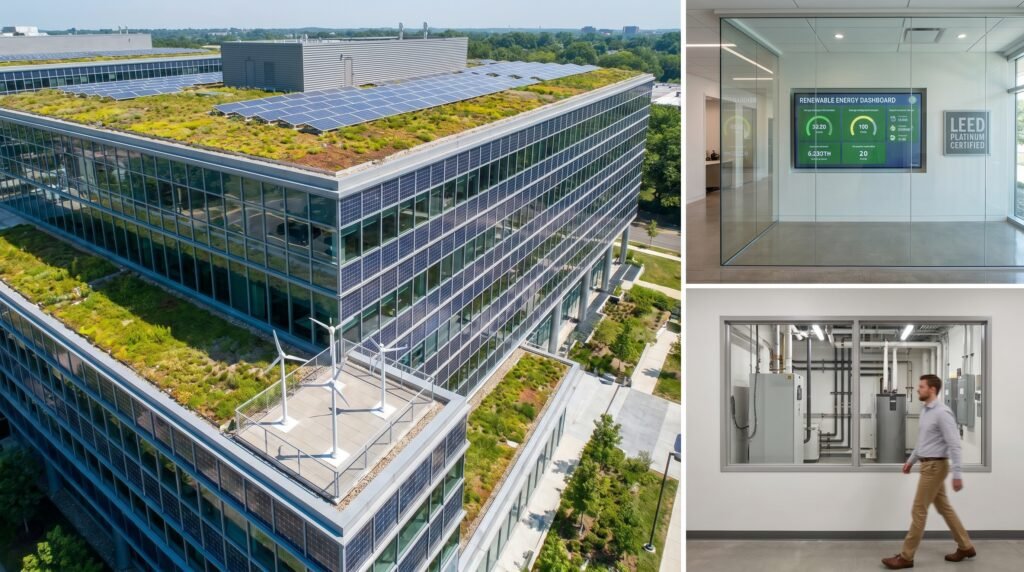
Renewable Energy Integration
Renewable energy systems are becoming increasingly common in environmentally friendly buildings, especially as technology becomes more affordable.
Solar energy remains one of the most practical solutions for reducing building-related emissions.
Long-Term Advantages
- Reduced dependence on traditional power grids
- Lower electricity expenses over time
- Greater resilience during energy shortages
- Reduced carbon footprint for homes and businesses
- Increased property attractiveness in eco-conscious markets
- Long-term return on investment through energy savings
While installation costs can initially seem high, many building owners recoup their investment gradually through reduced utility bills.
Sustainable Construction Materials
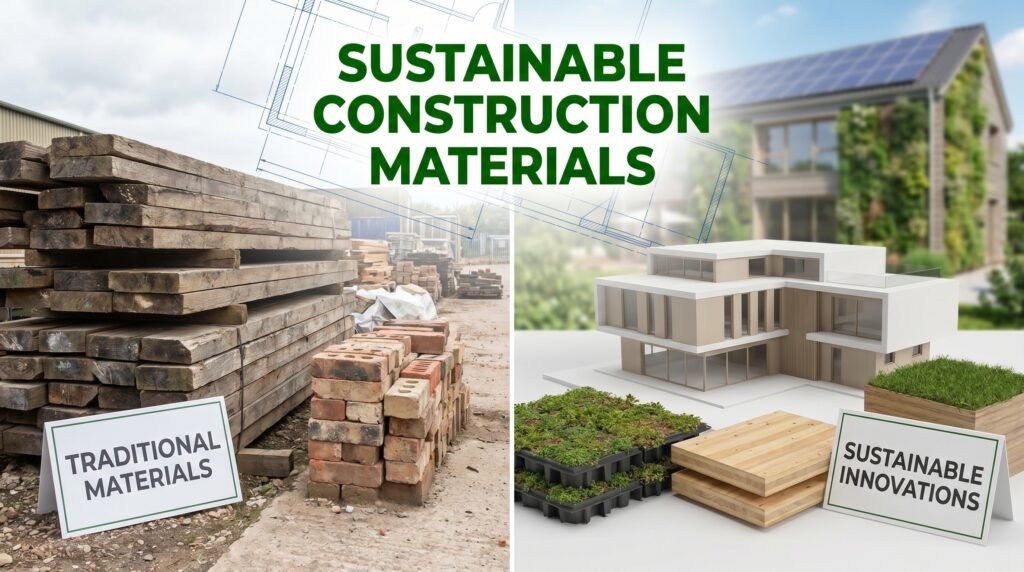
The environmental impact of a building begins long before people move inside it.
Concrete, steel, and traditional construction materials often require enormous energy during production and transportation. Sustainable construction prioritizes lower-impact alternatives whenever possible.
Smarter Material Choices
- Recycled materials reduce construction waste
- Locally sourced materials lower transportation emissions
- Bamboo and engineered wood reduce embodied carbon
- Low-toxicity materials improve indoor health conditions
- Durable materials reduce repair and replacement costs
- Circular construction reduces long-term resource depletion
Green architecture increasingly focuses not just on how buildings operate, but also on how they are built.
Water Conservation Systems
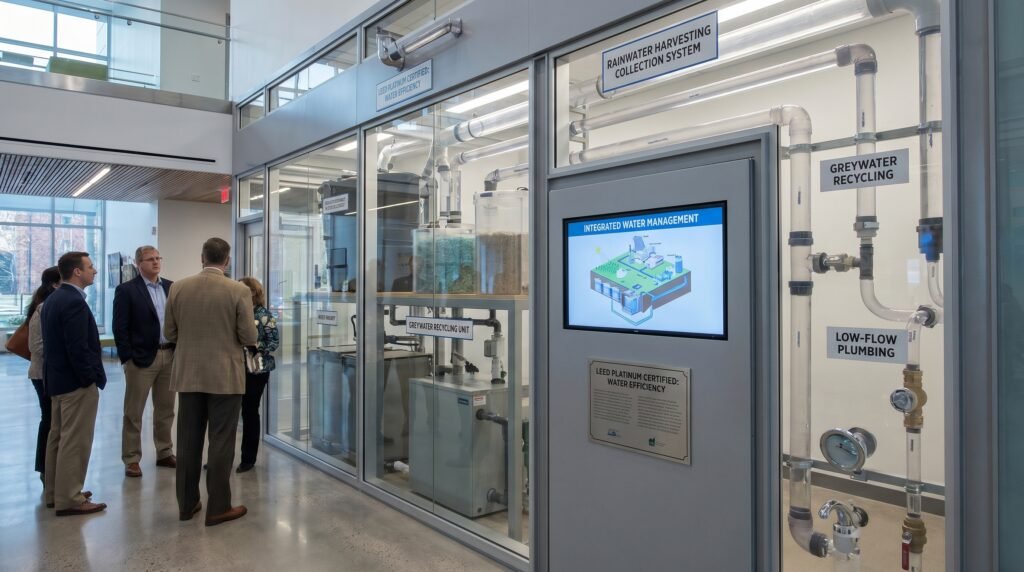
Water shortages are becoming serious challenges in many urban regions. Sustainable buildings address this through smarter water management systems.
Water-Saving Features
- Low-flow fixtures reduce unnecessary water consumption
- Rainwater harvesting supports landscape irrigation
- Greywater recycling lowers freshwater demand
- Efficient plumbing systems reduce operational costs
- Native landscaping reduces irrigation requirements
- Water-efficient systems improve long-term sustainability
For cities facing rising water stress, conservation-focused buildings are becoming increasingly important.
Green Roofs and Vertical Gardens
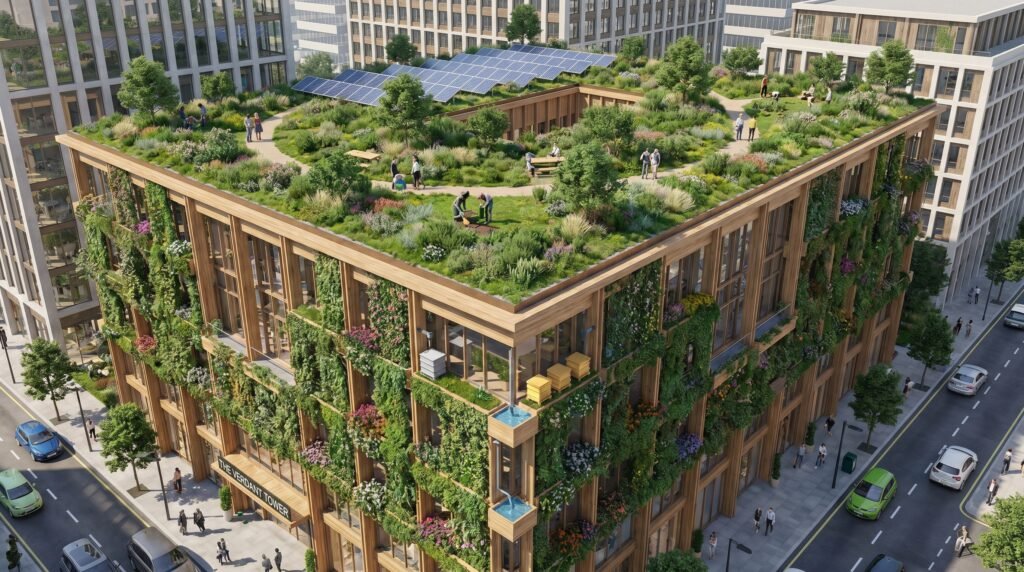
Urban areas absorb and trap heat due to concrete surfaces, limited vegetation, and dense construction. Green roofs and vertical gardens help counter these effects.
Urban Sustainability Benefits
- Reduced urban heat island effect
- Improved stormwater management during heavy rainfall
- Better insulation for buildings beneath green roofs
- Improved air quality in dense cities
- Increased biodiversity in urban environments
- Enhanced mental well-being through natural greenery
Even small rooftop gardens can noticeably improve urban comfort in heavily developed neighborhoods.
Smart Building Technology
Technology is allowing buildings to become far more responsive and efficient than traditional structures.
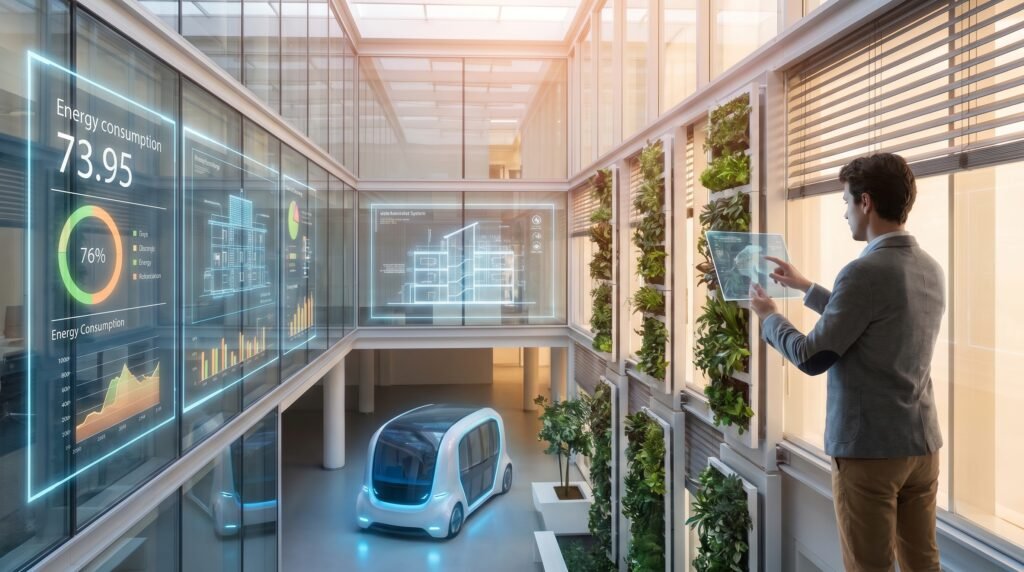
Smart systems automatically monitor energy use, temperature, occupancy, and lighting.
Efficiency Improvements
- Automated systems reduce unnecessary energy use
- Real-time monitoring identifies waste quickly
- Predictive maintenance lowers repair expenses
- Smart cooling systems improve occupant comfort
- Energy data helps optimize operational performance
- Reduced long-term operational inefficiencies
Many businesses now see smart buildings as both sustainability investments and financial management tools.
Waste Reduction During Construction
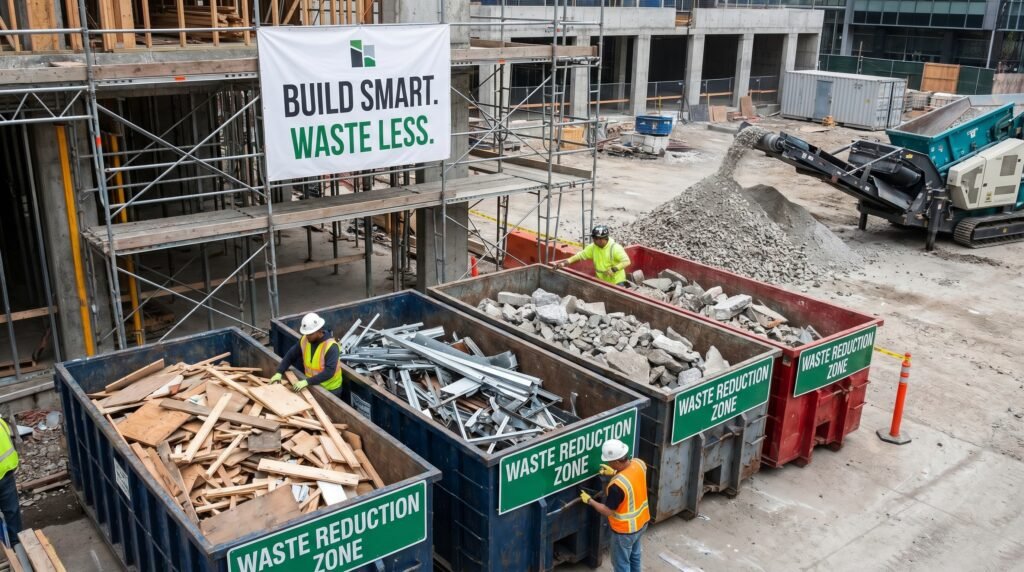
Construction waste is one of the least discussed environmental problems in urban development.
Sustainable construction aims to reduce waste before projects even begin.
Better Construction Practices
- Prefabrication reduces material waste on-site
- Recycling construction debris lowers landfill pressure
- Efficient planning minimizes excess material ordering
- Reusable materials reduce environmental impact
- Lower waste disposal costs improve project efficiency
- Cleaner construction practices support sustainable urban development
Waste-conscious construction is becoming increasingly important in rapidly growing cities.
How Cities, Businesses, and Homeowners Can Adopt Green Building Practices
One common misconception is that sustainable buildings are only realistic for luxury projects or expensive commercial developments. In reality, many green upgrades are practical and financially achievable over time.
Older buildings can often be retrofitted gradually rather than rebuilt from scratch. Improved insulation, energy-efficient windows, LED lighting, rooftop solar panels, and water-saving systems can significantly lower operating costs without massive structural changes.
Governments in many countries are also offering incentives, tax reductions, and green certification programs that encourage sustainable development. Certifications such as LEED and BREEAM have helped create global standards for environmentally responsible construction.
For businesses, green buildings often improve employee comfort, productivity, and public reputation. Commercial properties with strong energy performance are also becoming more attractive to investors and tenants as energy prices continue rising. In developing countries, climate-responsive architecture can be especially valuable. Traditional passive cooling techniques, shaded courtyards, natural ventilation, and locally sourced materials often provide affordable sustainability solutions that rely less on expensive technology.
Sustainable buildings also tend to require less maintenance over time. Efficient systems experience less strain, durable materials last longer, and smarter resource use reduces operational stress across the building lifecycle.
Most importantly, green construction should no longer be viewed as an environmental luxury. It is increasingly becoming an economic necessity.
The Future of Climate-Resilient Buildings
Heatwaves are intensifying. Urban populations continue growing. Electricity demand keeps rising. Water shortages are affecting more regions every year. Buildings designed decades ago are struggling to cope with these realities.
Climate-resilient buildings are designed to adapt to changing environmental conditions while maintaining efficiency and occupant safety. This includes stronger insulation, better ventilation, integration of renewable energy, flood resilience, and reduced dependence on fragile infrastructure.
Cities that invest in sustainable urban development today are likely to face lower environmental and financial risks in the future. The conversation around buildings is slowly shifting from appearance alone to long-term performance, resilience, and livability. That shift matters.
Conclusion
Buildings shape daily life more than most people realize. They influence energy consumption, indoor air quality, financial costs, environmental impact, and even how comfortable cities feel during extreme weather. Poorly designed buildings quietly waste resources every day, while sustainable buildings work more intelligently with climate, energy, and human needs.
A green building is not simply about environmental image or modern architectural trends. It is about creating spaces that are healthier, more efficient, more resilient, and financially practical over the long term.
As electricity costs rise and cities face mounting climate pressures, energy-efficient buildings are becoming one of the clearest examples of how sustainability and economic logic can work together rather than against each other.
The future of urban living will depend heavily on the choices made in construction today. Smarter buildings will not solve every environmental challenge overnight. But they can make cities cleaner, homes healthier, businesses more efficient, and communities far more resilient than they are now.
Related Guides
Organic Concealer Guide: Can One Fix Both Under-Eyes and Blemishes?
Organic Serums Decoded: Which Natural Actives Are Actually Stable?

Best Certified Organic Korean Skincare-Makeup Hybrids [2026 Guide]

Organic Foundation Guide 2026: Find Your Perfect Match

How to Choose Organic Lipstick: A Shade-by-Shade, Ingredient-by-Ingredient Guide
10 Proven Ways to Reduce Your AC Energy Bills in the GCC