Every morning, millions of engines roar to life. Cars flood highways, buses inch through congestion, and cities choke under a haze that has quietly become part of daily life. For many, commuting feels routine, almost invisible. But beneath this routine lies one of the most powerful drivers of climate change.
Transportation accounts for a significant share of global carbon emissions, fueled largely by our dependence on fossil fuels. Every short drive, every traffic jam, every unnecessary trip contributes to rising temperatures, polluted air, and declining urban health.
But here’s the hopeful truth: the way we move is also one of the easiest things we can change.
Unlike complex industrial systems, transportation choices are deeply personal. Whether you walk, cycle, carpool, or switch to cleaner energy, these small, daily decisions ripple outward, shaping cities, economies, and the climate itself. This isn’t about perfection. It’s about progress.
Let’s explore ten practical, real-world sustainable transportation solutions that can help you reduce your carbon footprint, starting today.
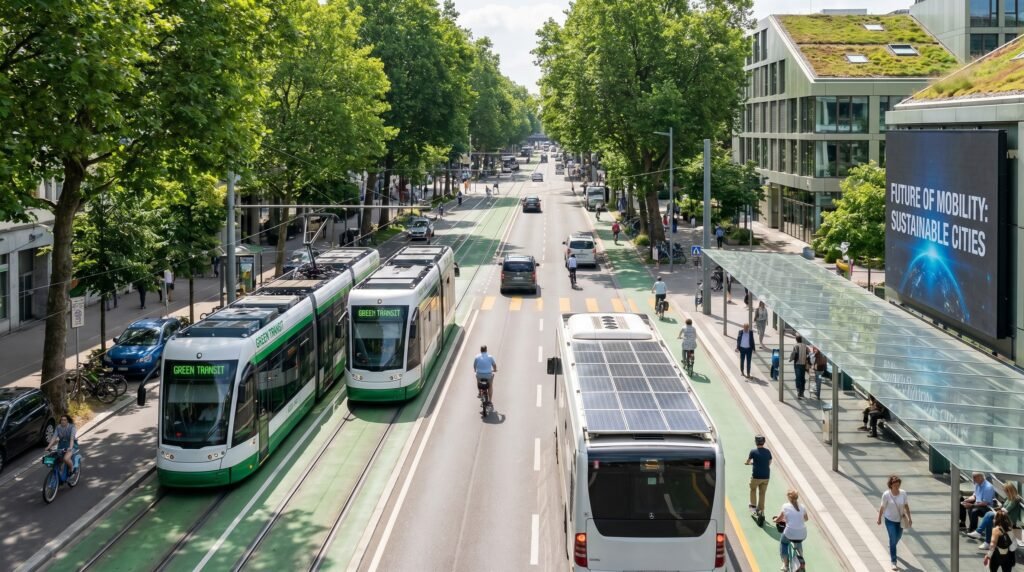
Walking for Short Distances
A simple, overlooked solution hiding in plain sight.
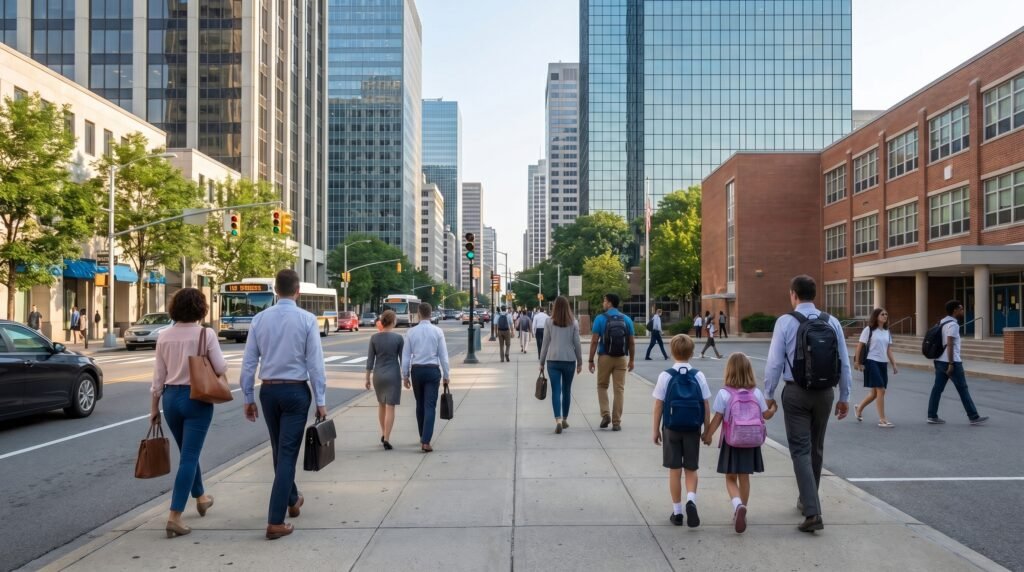
- Environmental benefits: Zero emissions, zero fuel consumption, and no pollution—walking is the purest form of low-carbon transportation
- Health impact: Improves cardiovascular health, reduces stress, and boosts mental clarity
- Cost savings: Completely free—no fuel, parking, or maintenance costs
- Practicality: Ideal for short trips under 2 km, especially in walkable neighborhoods
- Urban impact: Reduces congestion and noise pollution while making streets more livable
- Long-term impact: Encourages human-centered cities over car-dominated infrastructure
Cycling and Bike-Sharing
A powerful blend of efficiency and sustainability.
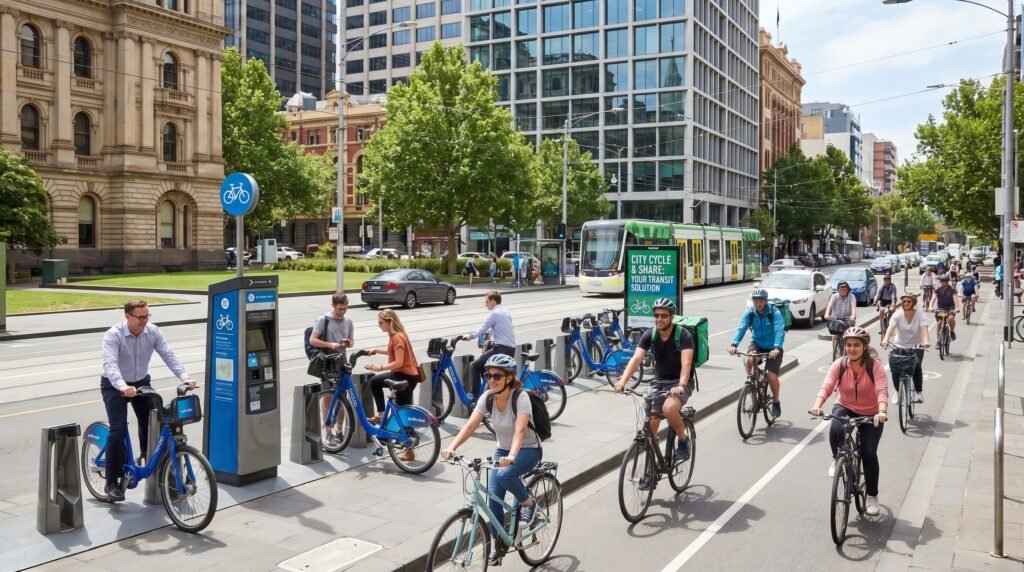
- Environmental benefits: Emits no greenhouse gases and requires minimal resources
- Health benefits: Builds endurance, strengthens muscles, and supports mental well-being
- Economic advantage: Lower upfront and maintenance costs compared to vehicles
- Accessibility: Bike-sharing programs make cycling available without ownership
- City benefits: Reduces traffic congestion and promotes bike-friendly infrastructure
- Climate impact: Scalable solution for urban low-carbon transportation
Public Transportation
Moving more people with fewer resources.
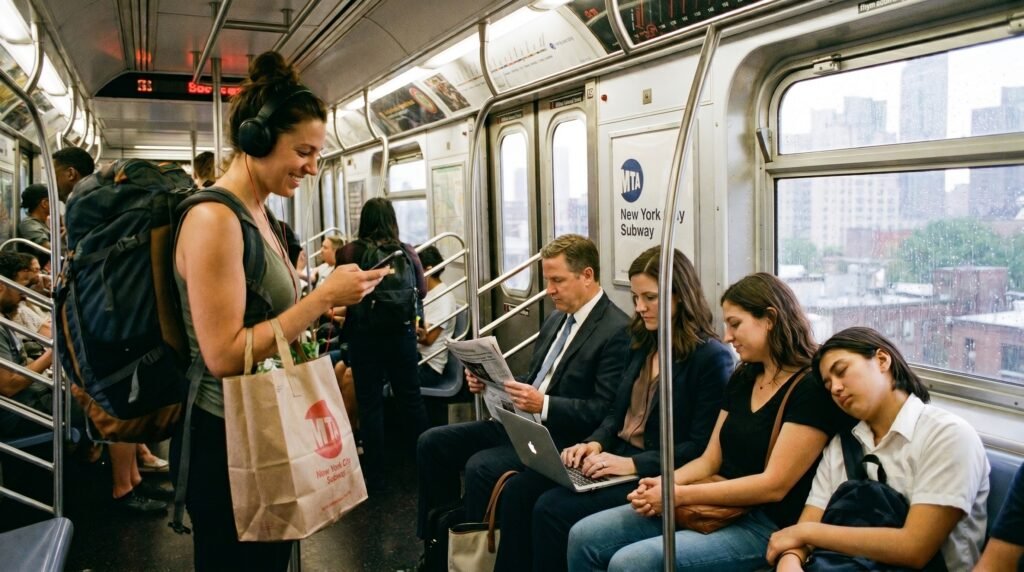
- Environmental benefits: Significantly lower emissions per passenger compared to private cars
- Lifestyle impact: Reduces driving stress and allows productive commute time
- Cost savings: Cheaper than owning and maintaining a personal vehicle
- Accessibility: Widely available in most urban areas
- Urban impact: Reduces congestion, energy use, and infrastructure strain
- Long-term impact: Backbone of sustainable urban mobility systems
Electric Vehicles (EVs)
Driving without tailpipe emissions.
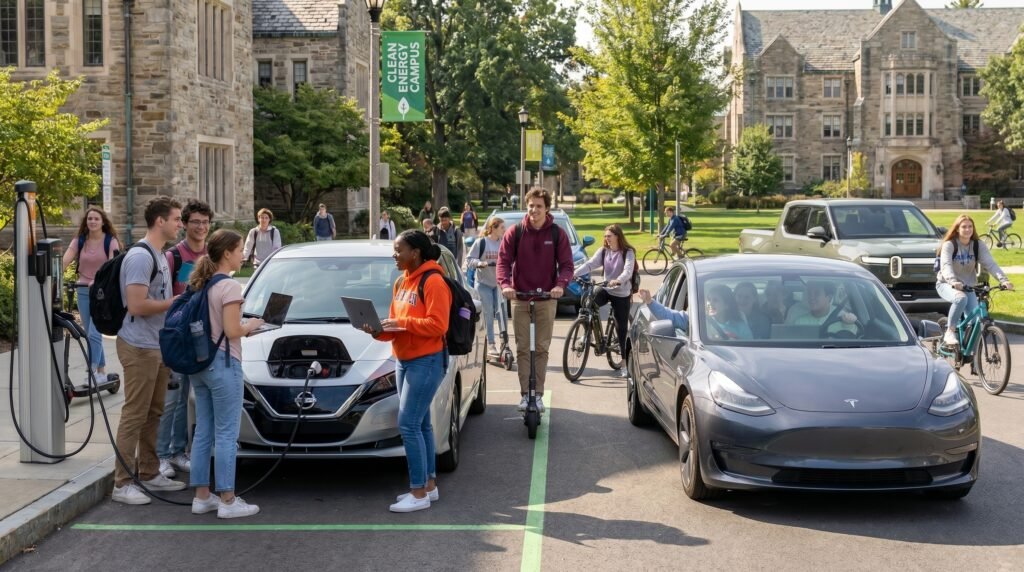
- Environmental benefits: Zero tailpipe emissions; cleaner when powered by renewable energy
- User experience: Quiet, smooth driving with reduced noise pollution
- Economic benefits: Lower fuel and maintenance costs over time
- Practicality: Expanding charging infrastructure makes EVs increasingly viable
- Urban impact: Improves air quality in densely populated cities
- Climate impact: Key to transitioning away from fossil fuels
Carpooling and Ridesharing
One ride, multiple benefits.
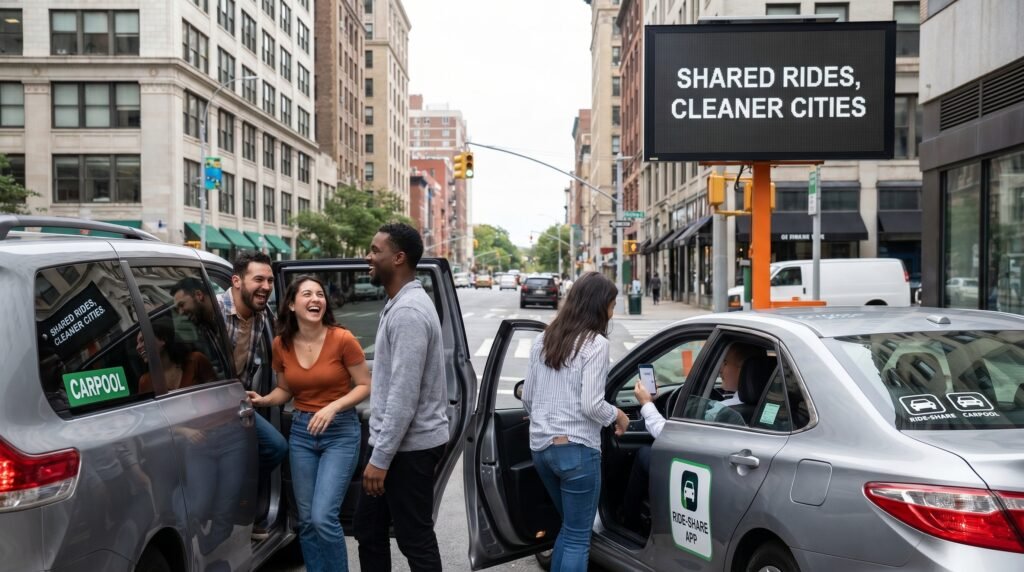
- Environmental benefits: Reduces the number of vehicles on the road
- Social impact: Encourages community interaction and shared responsibility
- Cost savings: Shared fuel and travel expenses
- Accessibility: Easily arranged via apps or workplace coordination
- Urban impact: Reduces congestion and parking demand
- Long-term impact: Efficient use of existing transportation resources
Hybrid Vehicles
A stepping stone toward fully green transportation.
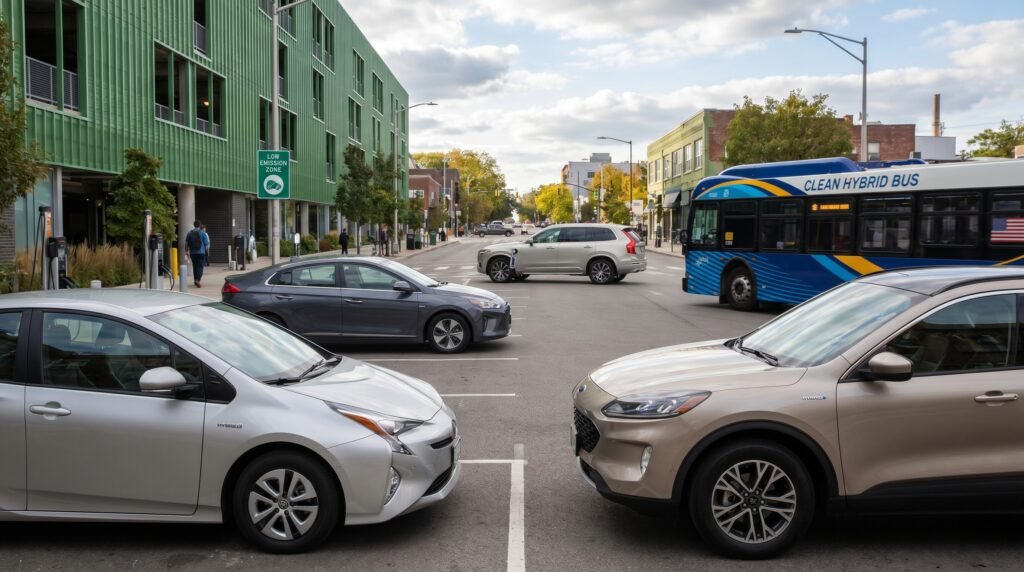
- Environmental benefits: Lower emissions compared to traditional gasoline cars
- Ease of transition: Familiar driving experience with improved efficiency
- Fuel savings: Reduced fuel consumption over time
- Practicality: No reliance on charging infrastructure
- Urban impact: Gradual shift toward cleaner mobility
- Climate impact: Bridges the gap between fossil fuels and electrification
Remote Work & Reduced Commuting
The cleanest commute is the one you don’t make.
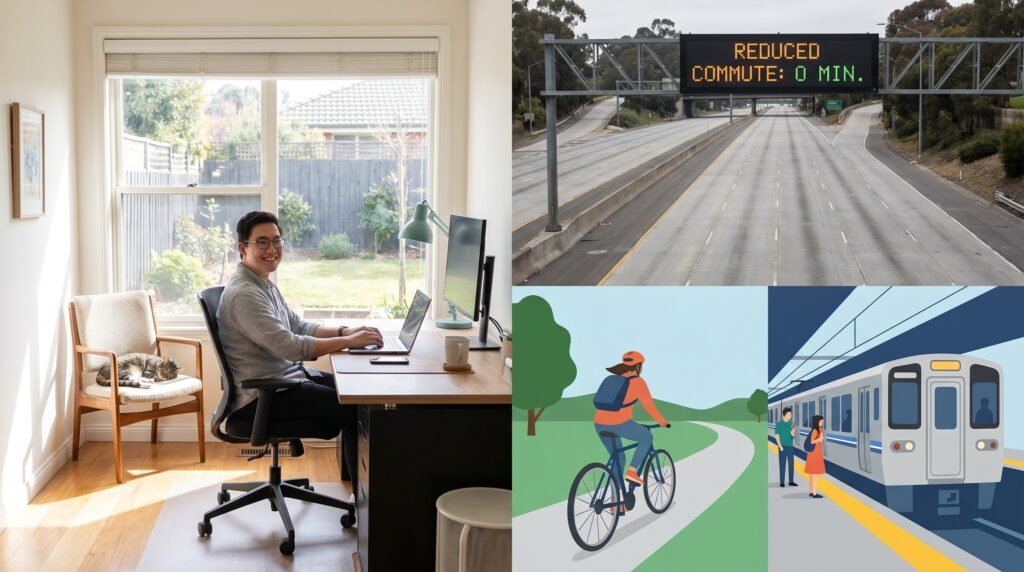
- Environmental benefits: Eliminates daily transportation emissions
- Lifestyle impact: Better work-life balance and reduced stress
- Savings: Cuts fuel, travel, and time costs
- Accessibility: Increasingly viable with digital infrastructure
- Urban impact: Reduces peak-hour congestion
- Long-term impact: Reshapes demand for transportation systems
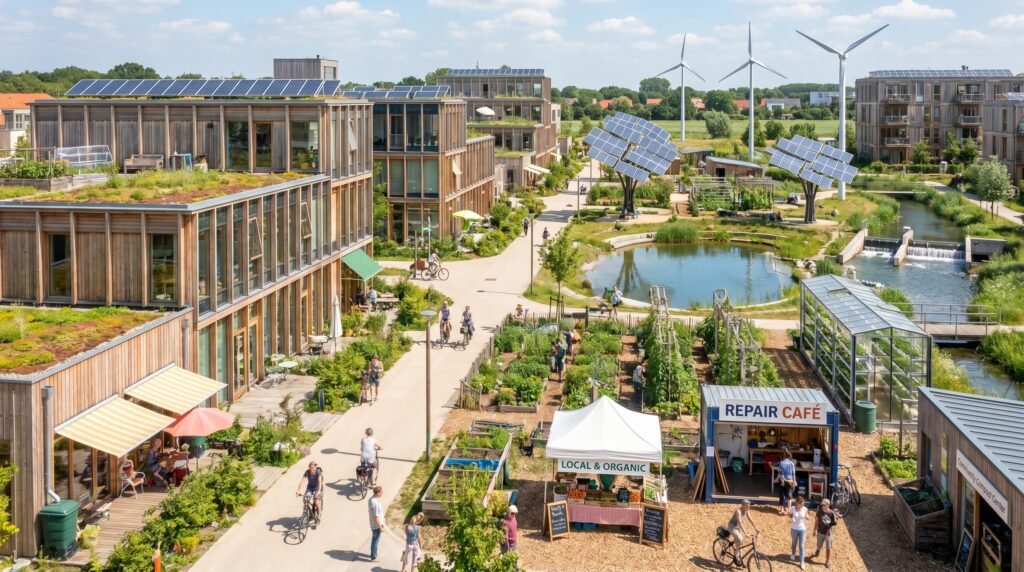
Sustainable Urban Planning
Designing cities for people, not just cars.
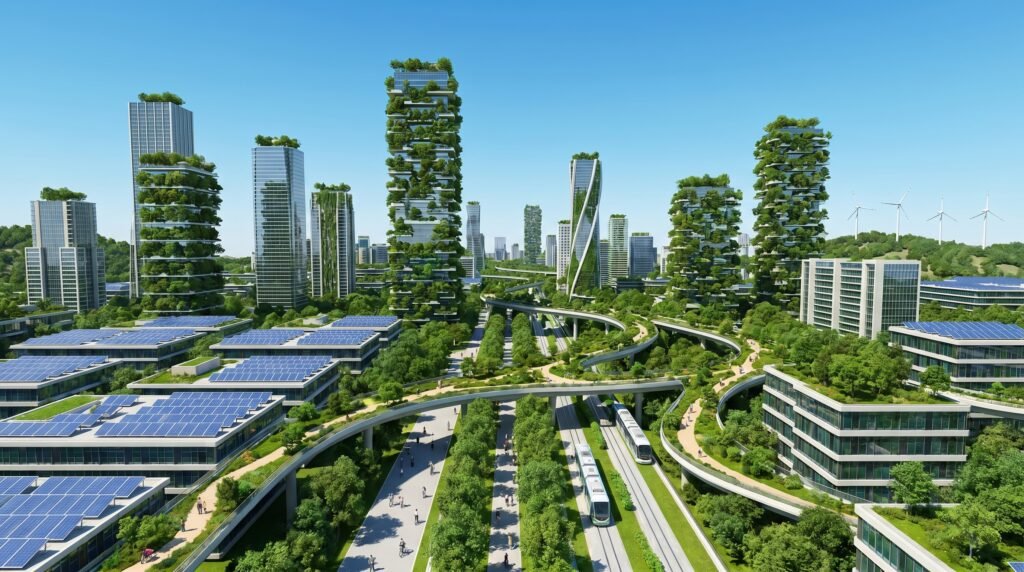
- Environmental benefits: Reduces dependency on long-distance travel
- Quality of life: Creates healthier, more connected communities
- Economic impact: Efficient land use lowers infrastructure costs
- Practicality: Encourages walking, cycling, and transit use
- Urban impact: Promotes mixed-use, compact development
- Climate impact: Foundational for long-term sustainable mobility solutions
High-Speed Rail & Train Travel
Efficient, scalable, and future-ready.

- Environmental benefits: Lower emissions than cars and airplanes per passenger
- Comfort: Relaxed, productive travel experience
- Cost efficiency: Competitive pricing for long-distance travel
- Accessibility: Expanding networks globally
- Urban impact: Connects cities while reducing air traffic
- Climate impact: Major reduction in long-distance carbon emissions
Micromobility (E-Scooters & E-Bikes)
Small vehicles, big impact.
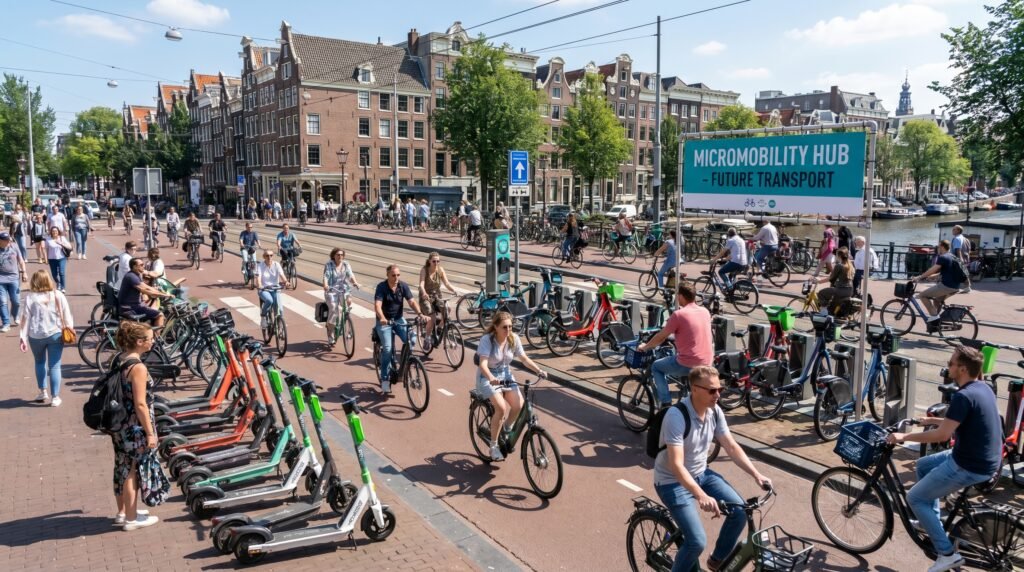
- Environmental benefits: Extremely low energy consumption
- Convenience: Quick, flexible, and easy to use
- Affordability: Lower cost than cars or motorcycles
- Accessibility: Ideal for short urban trips
- Urban impact: Solves “last-mile” transportation gaps
- Climate impact: Reduces reliance on short car trips
Why Sustainable Transportation Choices Matter
Transportation is more than movement, it’s a system that shapes our climate, cities, and daily lives.
When individuals choose eco-friendly transport, they collectively reduce emissions, improve air quality, and ease pressure on infrastructure. Cities become quieter, healthier, and more efficient.
But change isn’t just about logic, it’s about behavior.
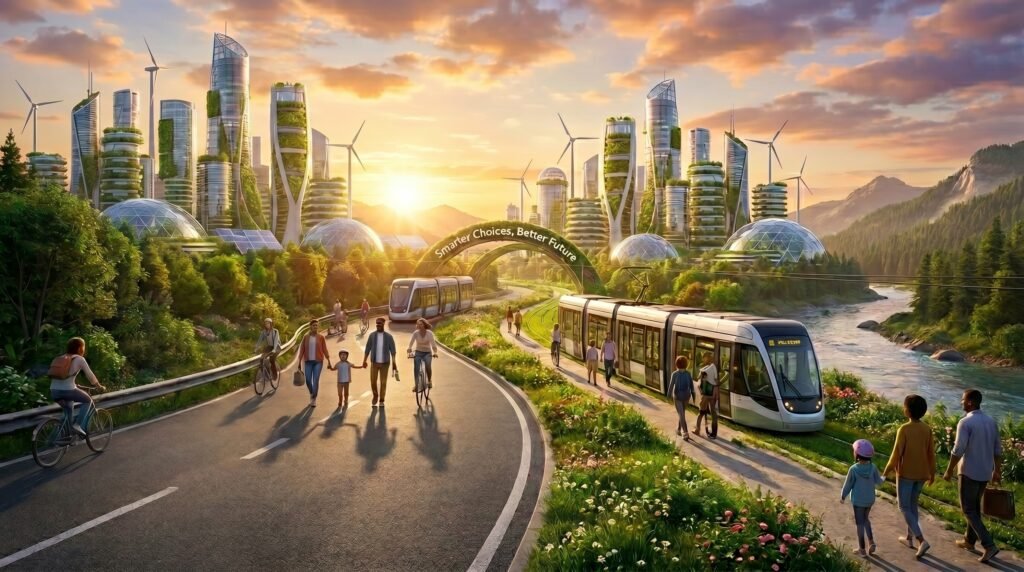
The Psychology of Commuting Change
People resist change when it feels inconvenient. The key is making sustainable choices easy, accessible, and rewarding. Small shifts, like walking twice a week or using public transit occasionally, create lasting habits.
Practical Ways to Transition
- Start with one or two days of alternative commuting
- Combine options (e.g., metro + walking)
- Use apps to plan efficient routes
- Choose proximity when possible (shops, workspaces)
Collective Responsibility
- Governments: Invest in clean infrastructure and public transit
- Businesses: Support remote work and flexible schedules
- Individuals: Make conscious, consistent mobility choices
Sustainable mobility isn’t a sacrifice, it’s an upgrade.
Every Journey Shapes the Future
The road ahead isn’t just about getting from one place to another, it’s about deciding what kind of world we want to live in.
Each time you choose to walk instead of drive, share a ride, or take public transport, you’re not just saving fuel, you’re reshaping cities, protecting ecosystems, and contributing to a cleaner, healthier future.
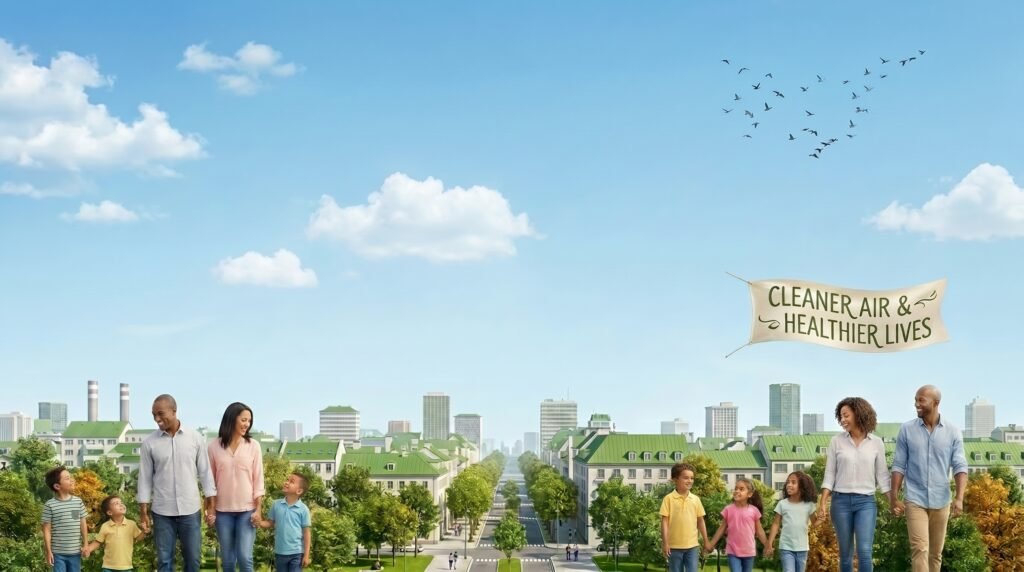
The shift to green transportation doesn’t require perfection. It requires intention.
Start small. Stay consistent. Think long-term.
Because the future of our planet depends not on one big change but on millions of small, conscious journeys.
Related Guides
10 Essential Elements of Sustainable Community Development
10 Simple Sustainable Habits to Transform Your Daily Life

2026 Guide to Organic Makeup Brands: Affordable & High-Quality

10 Powerful Organic Makeup Alternatives for Healthier Skin & a Greener Planet

Hidden Toxins in Synthetic Cosmetics You Must Avoid

10 Frequently Used Plastic Bathroom Swaps for an Eco-Friendly Home