On October 28, 2025, Hurricane Melissa made landfall in Jamaica as a Category 5 storm, the strongest ever recorded to strike the country in modern times. According to the U.S. National Hurricane Center (NHC), Melissa peaked with sustained winds near 185 mph and a central pressure of 892 mb, placing it among the most intense hurricanes ever recorded in the Atlantic basin. Wikipedia
The storm’s slow forward motion allowed it to unload massive rainfall and intensify before landfall, making the impact especially damaging. Reports indicate flash floods, landslides, and coastal storm surge battered southern parishes in particular. Early fatality numbers are still emerging, but Melissa already ranks as one of Jamaica’s most severe natural disasters. People.com
Jamaica’s Meteorological Service (JMS / Met Service of Jamaica) maintains active coordination with the NHC during hurricane season and issues forecasts, alerts, and radar monitoring to detect developing tropical systems. The national hurricane season runs from June 1 to November 30, with peak activity typically in September–October. Jamaica Weather
Meanwhile, the Office of Disaster Preparedness and Emergency Management (ODPEM) in Jamaica prepared shelters, issued evacuation orders for high-risk coastal and riverine zones, and disseminated public information through media and parish disaster coordinators. ODPEM
Why Hurricanes Form — And Why They’re Getting Stronger
The basics of hurricane genesis:
Hurricanes form when warm ocean surface temperatures—generally above 26 °C (79 °F)—fuel intense convection. Moist air rises, condenses, and releases latent heat, which further lowers pressure and draws in more warm, moist air. This positive feedback loop can gradually organize into a tropical depression, then a tropical storm, and—if conditions permit—into a full hurricane. Wind shear (vertical change in wind speed/direction), dry air intrusion, and unfavorable upper‐level winds can inhibit development. ODPEM describes how storm surge, torrential rain, and wind combine in the destructive structure of hurricanes, with the “eye” region sometimes deceptively calm while destructive winds swirl around it. ODPEM
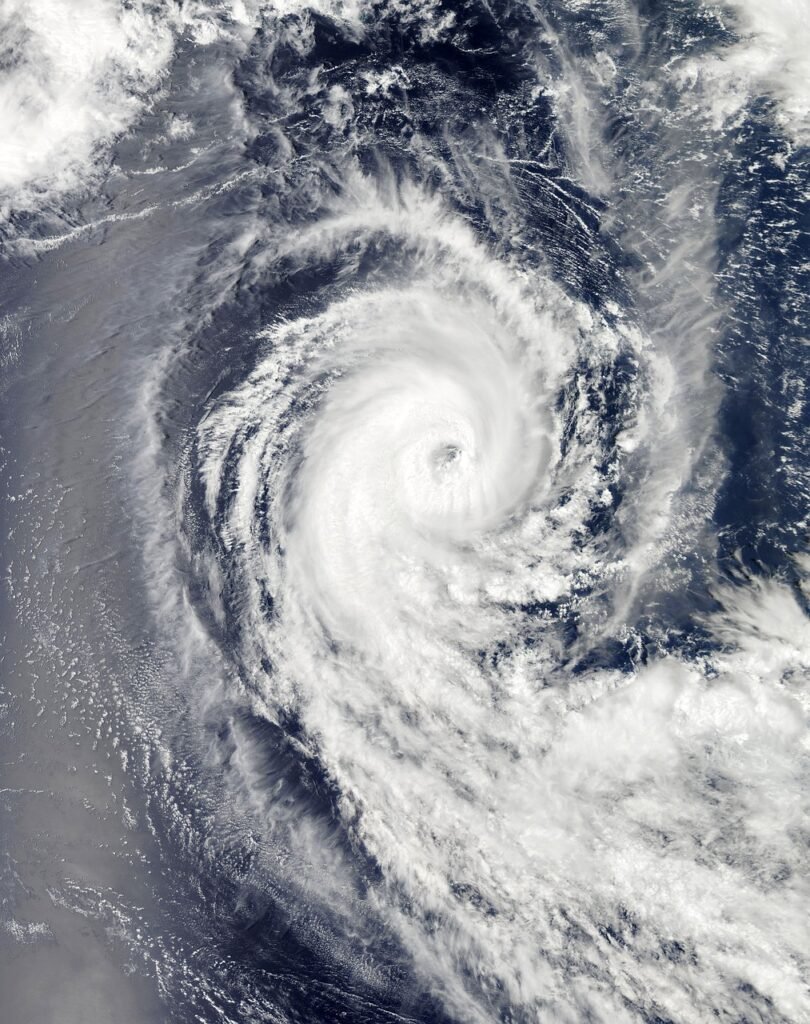
Climate change and hurricane intensification
While climate change doesn’t “cause” any single storm outright, a growing body of research and observations suggests several mechanisms that amplify hurricane danger:
- Warmer sea surface temperatures provide more energy for storm intensification. Simple Actions to Tackle Environmental Changes
- A higher moisture content in the atmosphere allows storms to produce heavier rainfall and extend flooding farther inland.
- Reduced wind shear in certain tropical regions enables storms to maintain coherence and intensify.
- Rising sea levels make storm surge more damaging because baseline water levels are already elevated.
In short, in today’s warmer, moister world, hurricanes are more prone to rapid intensification, stronger wind fields, and heavier rain burdens than in past decades.
How Jamaica Prepared & What You Should Do
What Jamaican authorities did
- The Jamaica Met Service issued timely tropical storm and hurricane watches and warnings as Melissa approached. Jamaica Gleaner
- The prime minister and ministers publicly urged compliance with evacuation orders, especially in seven high-risk communities. Jamaica Information Service
- ODPEM and parish disaster coordinators opened hundreds of shelters, held press briefings, and activated disaster response plans. ODPEM
- Security forces and public utilities mobilized to protect infrastructure, assist with evacuations, and ready backup power systems. The Independent
What individuals, families & visitors should do
Here’s a practical, ready-to-use checklist:
| ✅ Action | Why it matters | Tips |
| Monitor official sources | Stay informed of path, intensity, watches/warnings | Use the Jamaica Met Service, ODPEM websites, radio, and apps |
| Secure your home | Prevent wind / water damage | Board windows, bring outside items inside, and reinforce doors |
| Prepare a “go-bag” | Be ready for evacuation | Include water (3+ days), food, meds, flashlight, batteries, and important documents |
| Evacuate if ordered | Don’t wait until it’s too late | Roads may flood or become blocked |
| Avoid floodwaters & downed lines | They’re lethal even after the storm | Stay out of the streets; report hazards to authorities |
After the storm passes, continue to proceed cautiously: avoid damaged structures, do not wade through floodwaters, and follow updates as recovery operations begin.
Countries / Areas Most Prone to Hurricanes
- The Atlantic‐Caribbean basin: Countries in the Caribbean Sea (e.g., Jamaica, Dominican Republic, Haiti, Cuba) and the U.S. Gulf & Atlantic coasts are regularly hit. For example, one risk index lists the Dominican Republic as the highest‐scoring country for storm exposure in Latin America/Caribbean. Climate Cosmos
- Also vulnerable: Central American coastal states, Mexico’s east coast, and to some extent parts of coastal Africa or Asia with tropical cyclone risk (though terminology differs).
- Small Island Developing States (SIDS) are particularly vulnerable due to geography (low elevation, reliance on a few sectors) and limited recovery resources.
Why do these areas face a high risk
- Warm tropical waters fuel hurricanes; many of these countries sit in that zone.
- Many have coastlines with high population densities, low‐lying land, and critical infrastructure exposed.
- Limited resources/infrastructure resilience in some places make the consequences worse.
How Future Losses Can Be Avoided or Reduced
- Invest in high‐quality early warning systems, so that evacuations and closures can happen in time.
- Public education: ensure citizens know what to do when a warning is issued (evacuate, secure home, etc.).
- Emergency planning: shelters, backup power, supply of essentials ahead of storms.
- Enforce building codes designed for high winds and flooding.
- Protect coastal buffers: restore mangroves, coral reefs, and dunes that absorb storm surge.
- Avoid heavy development in extremely vulnerable zones unless disaster‐resilient.
- Upgrade critical infrastructure (electricity, roads, telecommunications) so they can survive, or recover quickly.
- Encourage insurance coverage for wind/storm damage; build financial reserves for disaster recovery.
- International financing and grants for vulnerable small states help share the burden.
- Use risk models and mapping to target the most significant vulnerabilities.
- Since climate change is increasing hurricane intensities (warmer oceans, more moisture), reducing greenhouse gas emissions helps in the long term.
- Adaptation: incorporate future climate projections into planning (not just historical data).
- Build community resilience: diversify economies (so one storm doesn’t wipe out the major livelihoods), strengthen social safety nets.
- Ensure evacuation routes and shelters are accessible to vulnerable populations (elderly, disabled, children).
- Post-storm recovery plans that include rapid restoration of services (water, power, communications) to reduce long‐term losses.
- Continuous drills and updating of emergency plans.
Related Guides
10 Frequently Used Plastic Bathroom Swaps for an Eco-Friendly Home

Safer Swaps of 10 Frequently Used Plastic Kitchen Items

Plastic Is Dying: These 10 Packaging Alternatives Are the Future

6 Revolutionary Plastic Alternatives in 2026 to Replace Traditional Plastic
9 Affordable Green Technology Products to Reduce Energy Consumption in 2026
How Fog Harvesting Is Redefining Water Security

Worth Reading. Appropriate measures must required to be taken in order to save human lives from such catastrophic events.
According to my opinion some things can improve our environment if applied
– Reduce plastic use
– Dispose of waste properly
– Trees prevent floods, landslides, and soil erosion
– Join or support tree-planting
– Use water, electricity, and fuel wisely
– Don’t overuse land or forests
– Teach communities about disaster risks
– Promote safety practices in schools and homes
– Support flood barriers, drainage systems, and safe building standards
– Encourage disaster-resistant housing in risky areas
– Governments and communities must invest in alerts for floods, storms, earthquakes, etc.
This article clearly highlights how climate change is intensifying hurricanes and increasing their destructive power.
It’s really worth reading. I would strongly recommend it.
A very informative article. It clearly shows how technology and climate awareness can reduce the impacts of hurricanes. Early warning systems and AI-based alerts can truly save lives.
It is a worth-reading article. It clearly explains how Hurricane Melissa became one of Jamaica’s most powerful and destructive storms, while also highlighting the country’s disaster preparedness efforts. It helps raise awareness about the serious effects of climate change
I completely agree with the article! It’s a must-read for everyone, highlighting crucial steps to mitigate the impact of disasters and promote sustainability. The writer has covered all the essential points, from reducing plastic use and conserving resources to promoting disaster-resistant infrastructure and community awareness. These valuable tips can make a significant difference if implemented in our daily lives.
This article provides a clear and insightful explanation of how Hurricane Melissa reflects the growing link between climate change and disaster preparedness. It emphasizes the importance of building resilience and developing adaptive strategies for vulnerable regions.