Introduction: The Plastic Crisis — Why Innovation Is Urgent
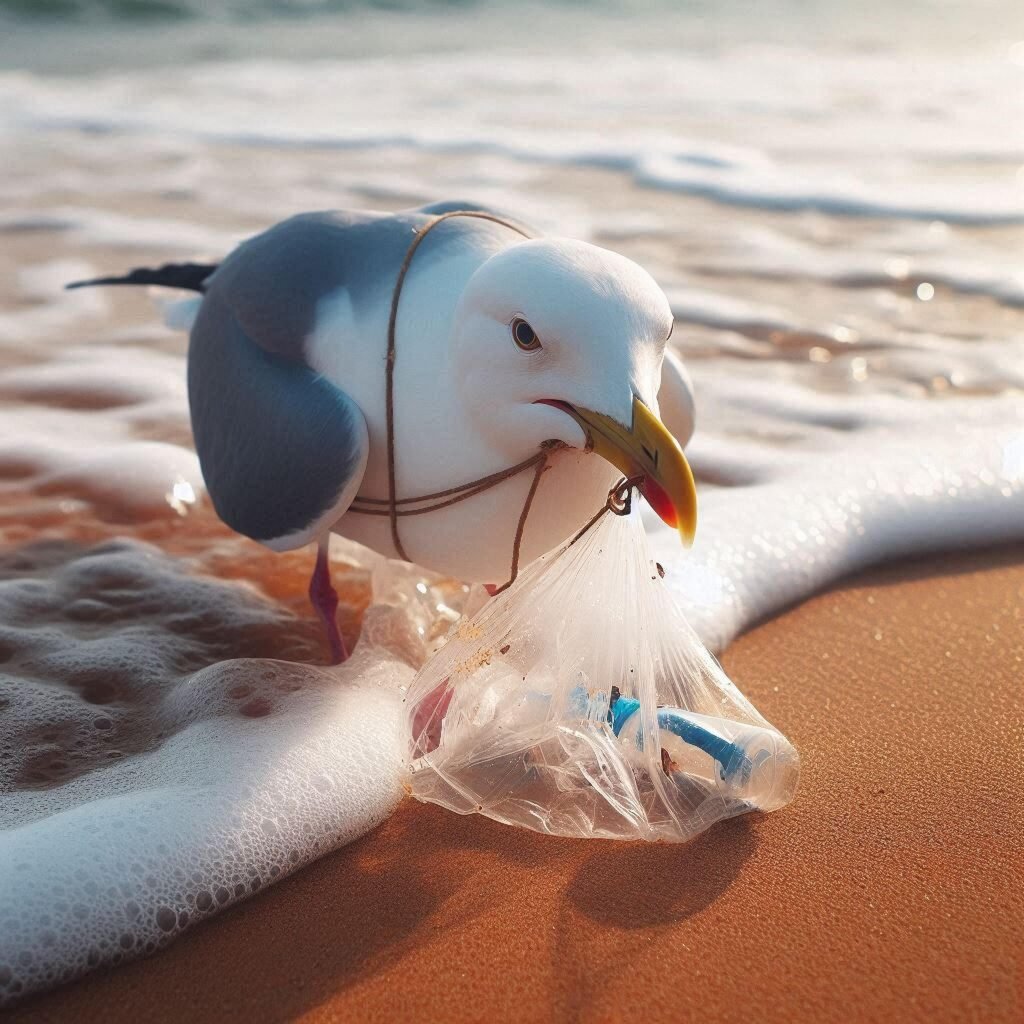
Plastic has been one of the defining materials of the modern age: cheap, versatile, and seemingly indispensable. But the environmental and health toll of plastic production and waste is staggering. Annually, humans produce over 400 million tons of plastic waste, yet only about 14% is recycled; the remainder pollutes land, waterways, and oceans with long-lasting debris and microplastics that harm wildlife and infiltrate food webs.
From persistent pollution to toxic additives linked to hormone disruption and cancer, traditional plastics, primarily derived from fossil fuels, are showing clear environmental, social, and economic costs. While recycling and reuse help, truly transformational change depends on next-generation alternatives, many of which are only now entering research labs, pilot projects, and early commercial adoption.
This article explores revolutionary plastic alternatives in 2026 that could replace traditional plastics, including groundbreaking materials, international data trends, the causes and effects of plastic pollution, and globally scalable, cost-effective solutions ready for impact.
Understanding Conventional Plastics: Chemicals, Manufacturing, and Toxins
What Plastics Are Made Of
Most conventional plastics are polymers — long chains of carbon-rich molecules derived from petroleum or natural gas. Popular types include polyethylene (PE), polypropylene (PP), polystyrene (PS), and polyethylene terephthalate (PET). These materials are molded under heat and pressure into products ranging from packaging and bottles to automotive components and textiles.
However, the chemicals involved and by-products of plastic manufacture carry significant concerns:
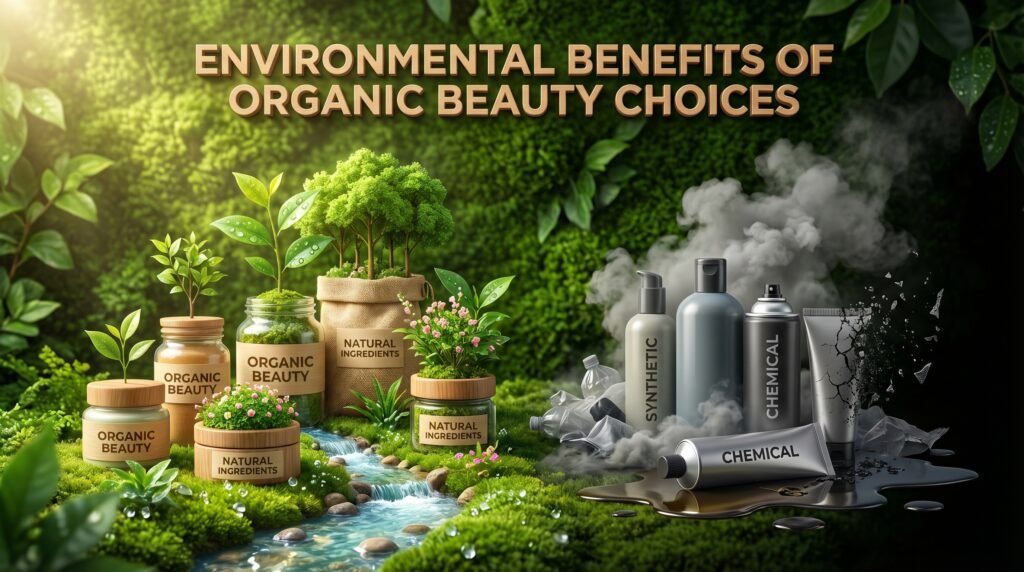
- Toxic Additives: Many plastics contain phthalates, BPA (bisphenol A), flame retardants, and stabilizers that can leach into food, water, and ecosystems, affecting human and animal health.
- Microplastics: As plastics break down, they release tiny fragments that persist in the environment, entering water sources and food chains.
While plastics can be lightweight and energy-efficient during use, their end-of-life impacts, from persistent waste to toxic degradation, are driving a global search for alternatives.
Plastic Pollution: Causes and Consequences
Plastic pollution stems from several systemic issues:
1. Fossil Fuel Dependence
The production of plastics is intimately tied to the oil and gas industry. As energy companies expand fossil fuel extraction, they also increase petrochemical outputs, creating a continuous pipeline of cheap virgin plastic.
2. Single-Use Culture
From packaging to utensils, an estimated 36 % of plastics go into packaging, most of which is designed for single use.
3. Inefficient Waste Systems
Globally, waste management infrastructure is uneven. Many regions lack effective recycling, resulting in plastic entering landfills and natural habitats.
Environmental and Health Effects
- Ecosystems: Marine and terrestrial organisms mistake microplastics for food, leading to injury, starvation, and bioaccumulation of toxins.
- Human Health: Microplastics and chemical additives are increasingly detected in drinking water, food, and human tissues, raising concerns about endocrine disruption and other health effects.
- Climate Change: Plastic life cycles contribute to carbon emissions; although some studies suggest that alternatives can sometimes increase emissions if not carefully selected, the optimization of materials and reuse strategies remains critical.
Next-Generation Plastic Alternatives for 2026
Here are promising materials and approaches reshaping how we think about plastic substitutes.
1. Seaweed-Derived Polymers
Seaweed is emerging as a star in the next wave of sustainable materials. Unlike crops that require land, freshwater, or fertilizers, seaweed grows rapidly in the ocean and can be harvested sustainably.
- Thermoplastic Seaweed Resins (TPSea™): These materials behave much like polyethylene in processing and can be home-compostable and free from microplastics. They are entering the flexible packaging market, potentially displacing significant volumes of single-use plastic.
- Biodegradable Films: Companies like Notpla produce seaweed-based films that break down in weeks, even in marine environments.
Why it matters: Seaweed plastic alternatives can cut reliance on fossil fuels and reduce ocean litter, particularly for packaging and single-use items.
2. Mushroom Mycelium Materials
The root networks of fungi, mycelium, offer a natural, highly biodegradable material.
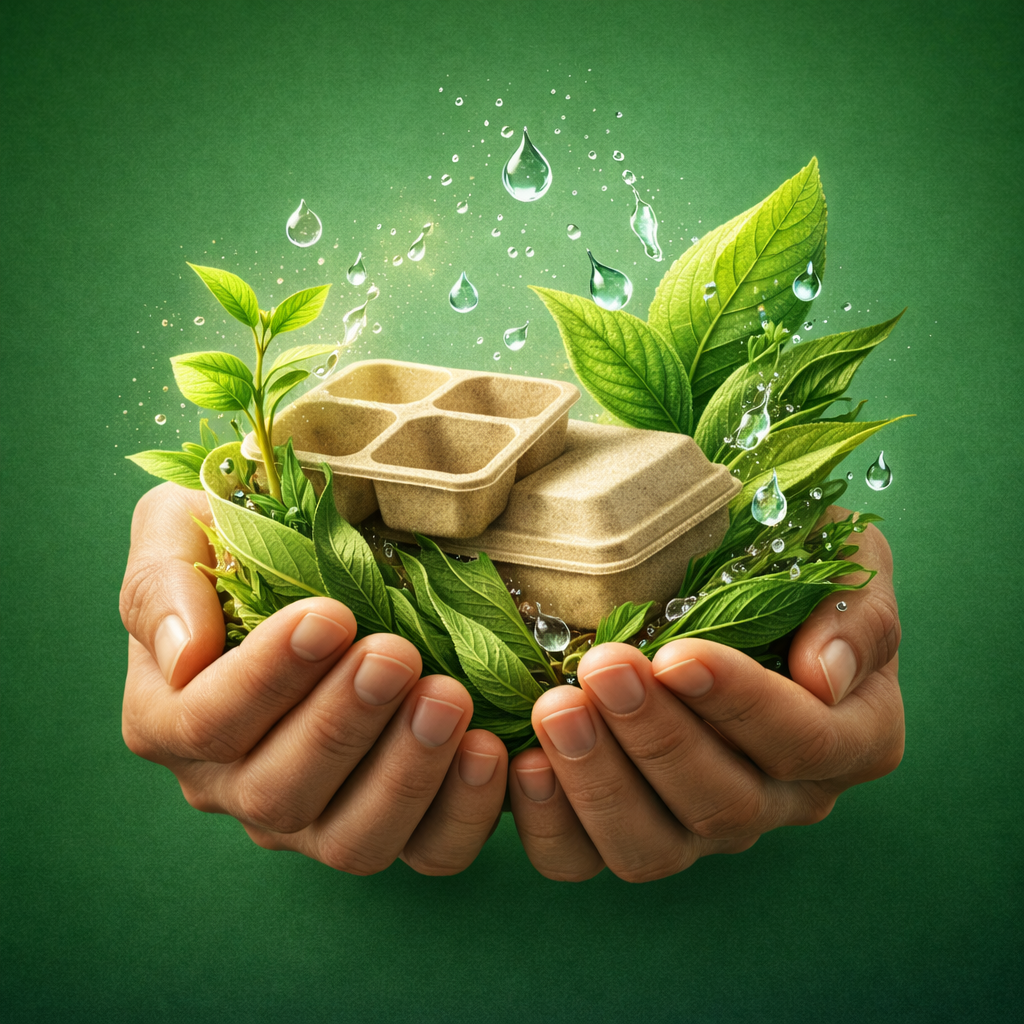
- Mycelium Packaging: Grown into specific mold shapes, mycelium provides durable cushioning similar to polystyrene foam but decomposes back into soil within weeks.
- Benefits: Mycelium has low energy requirements during production and adds nutrients to the soil once returned to nature.
Applications: Protective packaging for electronics, furniture, and even construction insulation.
3. Red Algae Bioplastics — MarinaTex
Developed in the UK, MarinaTex is a translucent bioplastic made from red algae and organic waste from the fishing industry.
- Compostable in Weeks: Under home composting conditions, it degrades in 4 to 6 weeks.
- Potential Uses: Single-use packaging, disposable items, and films that would otherwise pollute marine environments.
4. Bio-Composites with Natural Fibers
Researchers are combining rapidly growing natural fibers such as bamboo with biodegradable polymers to create strong, environmentally friendly composites.
- For example, bamboo composites with engineered polymers are being developed for automotive interiors, offering strength, thermal stability, and low moisture absorption.
Potential: These materials can begin to replace certain plastics in consumer goods, transportation, and construction.
5. PHAs and Bacteria-Derived Polymers
Polyhydroxyalkanoates (PHAs) are bioplastics produced by microbes fed on organic sugars.
- Biodegradability: PHAs can break down in soil, freshwater, and marine environments.
- Strength: When reinforced (e.g., with wood fibers), they can match the mechanical properties of conventional plastics.
Use Cases: Food packaging, bottles, disposable containers, and agricultural films.
6. Bio-Resins from Microbials (e.g., Phytoplankton)
In consumer electronics, some new products, such as Samsung’s e-paper display, incorporate bio-resins derived from phytoplankton, reducing reliance on traditional plastics and carbon emissions. This not only highlights plastic alternatives but also shows how renewable materials can integrate with high-technology manufacturing.
International Trends and Market Dynamics
Plastic Alternative Market Growth
The global plastic alternative packaging market continues to expand as regulators, consumers, and corporations push for greener solutions. Seaweed-based and biobased polymers are becoming more commercially viable, especially for packaging sectors traditionally dominated by single-use plastics.
However, transitioning to alternatives is not without trade-offs. Some lifecycle assessments indicate that certain substitutes can generate higher greenhouse gas emissions than traditional plastics in specific applications, particularly when durability and energy use during production are concerns.
This means that material choice must be context-specific: substitutes are most successful when they deliver net environmental benefit over the full product life cycle and are paired with reduction and reuse strategies.
Challenges and Unintended Consequences
While next-generation alternatives hold promise, they come with complexities:
- Toxicity Risks: Some bioplastics can still release harmful compounds or persistent fragments in the environment.
- Performance Gaps: Many renewable materials struggle to achieve the durability, flexibility, or water resistance of conventional plastics unless engineered composites are used.
- Cost and Scale: Plastic remains inexpensive due to fossil fuel infrastructure and scale. Alternatives currently cost more and lack the same level of supply chain maturity.
Solutions will require investment, industrial upscaling, and supportive policies to reach price parity and broader adoption.
Solutions: A Path to Sustainable Material Systems
1. Reduce First, Then Replace
The most effective way to minimize plastic impact is to reduce consumption, especially of single-use items. Circular economy strategies (reuse, refill, longer product life) often outperform material substitution alone.
2. Boost Recycling and Reuse
Improving global recycling infrastructure, including chemical recycling and closed-loop systems, can keep materials in use and reduce demand for virgin plastics.
3. Support Eco-Innovation Globally
Governments and industry can accelerate the adoption of alternative materials through incentives, standards, and investment in research, especially for scalable, low-cost innovations in developing economies.
4. Educate Consumers and Corporations
Raising awareness of the trade-offs and best practices—such as choosing compostable options where appropriate and demanding better packaging—helps shift markets.
5. Lifecycle Assessments to Guide Choices
Choosing materials based on comprehensive lifecycle analysis ensures environmental benefits are real, not just perceived.
Conclusion: A Future with Less Plastic Pollution
The road to a plastic-smart world by 2026 and beyond requires diverse strategies, not a single “perfect” material. From seaweed polymers and mushroom mycelium to bamboo composites and bacteria-derived bioplastics, the next wave of alternatives brings exciting, often overlooked possibilities. These innovations, when paired with reduction, reuse, and recycling, can reshape global material systems.
Real change requires collaboration across industries, governments, scientists, and consumers, grounded in data and guided by sustainability. The alternatives of 2026 aren’t just new materials; they are pathways to a healthier planet.
Related Guides
2026 Guide to Organic Makeup Brands: Affordable & High-Quality

10 Powerful Organic Makeup Alternatives for Healthier Skin & a Greener Planet
Hidden Toxins in Synthetic Cosmetics You Must Avoid

10 Frequently Used Plastic Bathroom Swaps for an Eco-Friendly Home

10 Frequently Used Plastic Items Swaps for a Sustainable Kitchen

Plastic Is Dying: These 10 Packaging Alternatives Are the Future
This is amazing article
Great article—clear and helpful
A VERY USEFUL, INFORMATIVE AND ADAPTIVE ARTICLE. WE NEED TO THINK ABOUT ALTERNATE OF PLASTIC AND SHOULD START COMPAGIN GLOBALY TO AVOID OR MINIMIZE THE USE OF PLASTIC
Awesome article! 🌎 It’s high time we spread awareness about reducing plastic use globally. Let’s start a campaign to minimize plastic waste and promote eco-friendly alternatives. Together, we can make a difference! 💚 #PlasticFreeFuture #Sustainability”
Great effort keep it up
Amazing article