Bringing plants into your home is one of the simplest ways to make a space feel healthier and happier. Beyond their decorative value, many common houseplants have been shown to have the ability to remove volatile organic compounds (VOCs) and certain pollutants in controlled studies. Some of the best performers are also the easiest to keep alive. Below, I’ve rounded up ten resilient, widely available, air-purifying indoor plants that offer specific health benefits and survive forgiving conditions, such as low light, irregular watering, and busy lifestyles. I’ll also elaborate on what the science actually says about air purification so you can set realistic expectations.
A quick reality check: Can plants really clean indoor air?
In short, yes, but with conditions. The classic NASA Clean Air Study (1989) identified several houseplants that can absorb specific VOCs such as formaldehyde, benzene, and trichloroethylene under laboratory conditions. More recent reviews and field studies suggest that plants can help reduce certain pollutants and improve humidity levels. Still, the scale matters as a few pots won’t substitute for ventilation or filtration in a sealed, polluted room. Use plants as a complementary, low-tech strategy for fresher indoor air, and pair them with source control measures, such as reducing VOC-emitting products and ensuring good ventilation.
The shortlist: 10 hardy, air-friendly houseplants in NASA’s compiled list
Below are ten plants that combine resilience with documented air-purifying potential. For each, I provide a brief care guide, the pollutants they’re known to remove, where data is available, and photos to make it convenient for you to recognize them.
Snake Plant (Sansevieria/Dracaena trifasciata)
Snake plants are highly tolerant of low light, drought, and temperature fluctuations. It’s often cited in VOC studies, such as formaldehyde, benzene, and xylene.
They require bright to low indirect light, water every two to six weeks, depending on the season, and use well-draining soil.
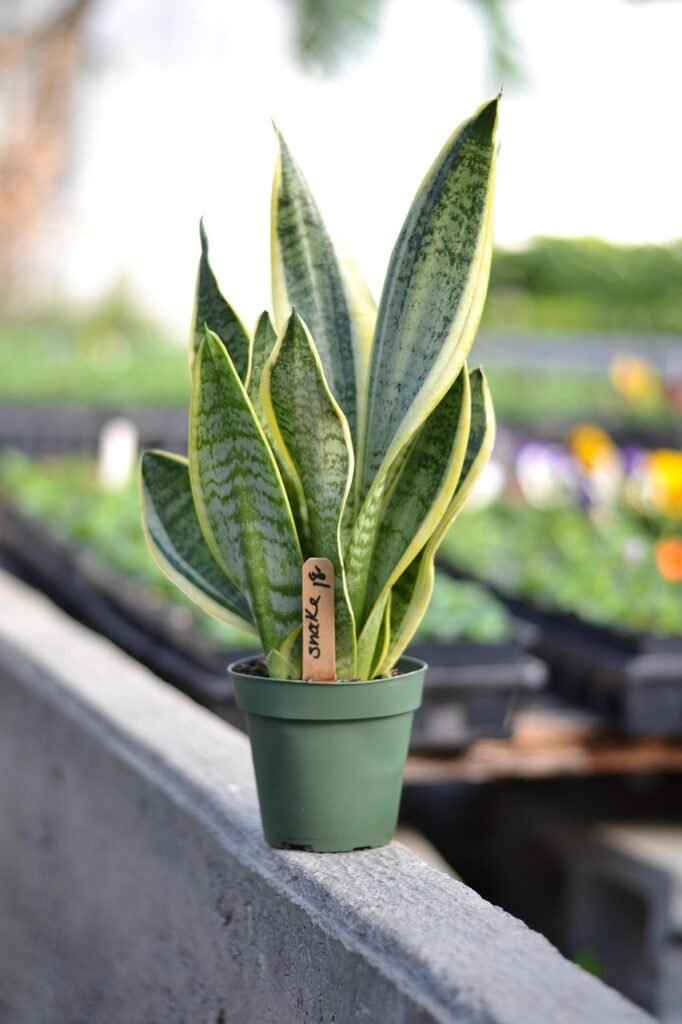
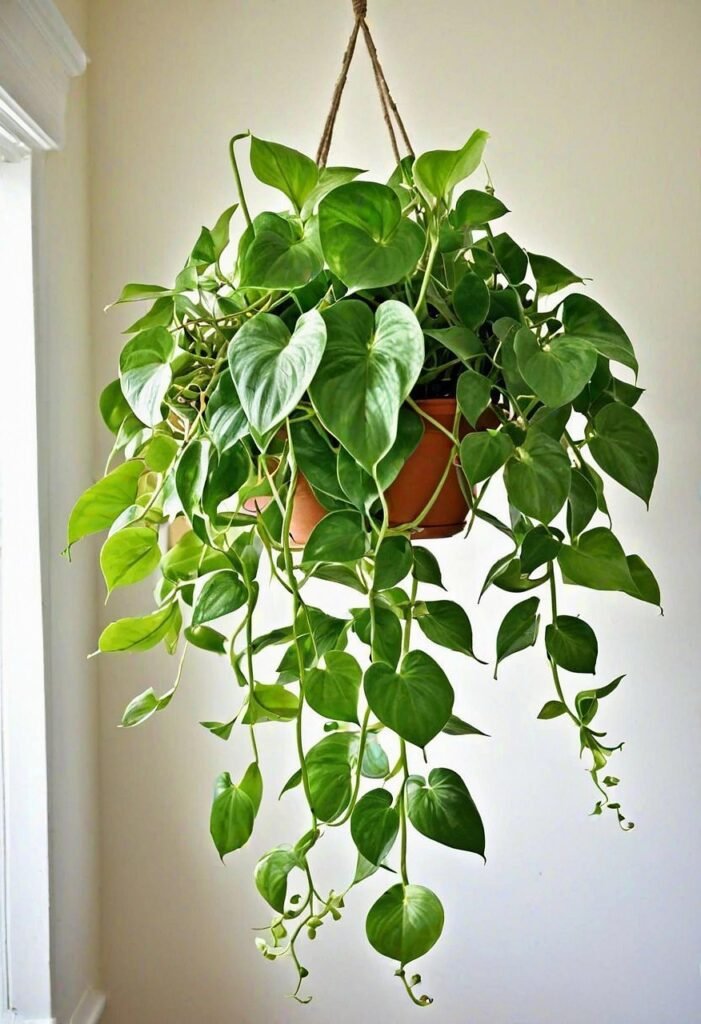
Pothos/Devil’s Ivy (Epipremnum aureum)
Pothos are fast-growing plants that tolerate low light conditions and irregular watering schedules. They are commonly recommended for beginners and are often featured in air-quality lists.
They require low to bright indirect light, keep the soil slightly moist, but are tolerant of drying out.
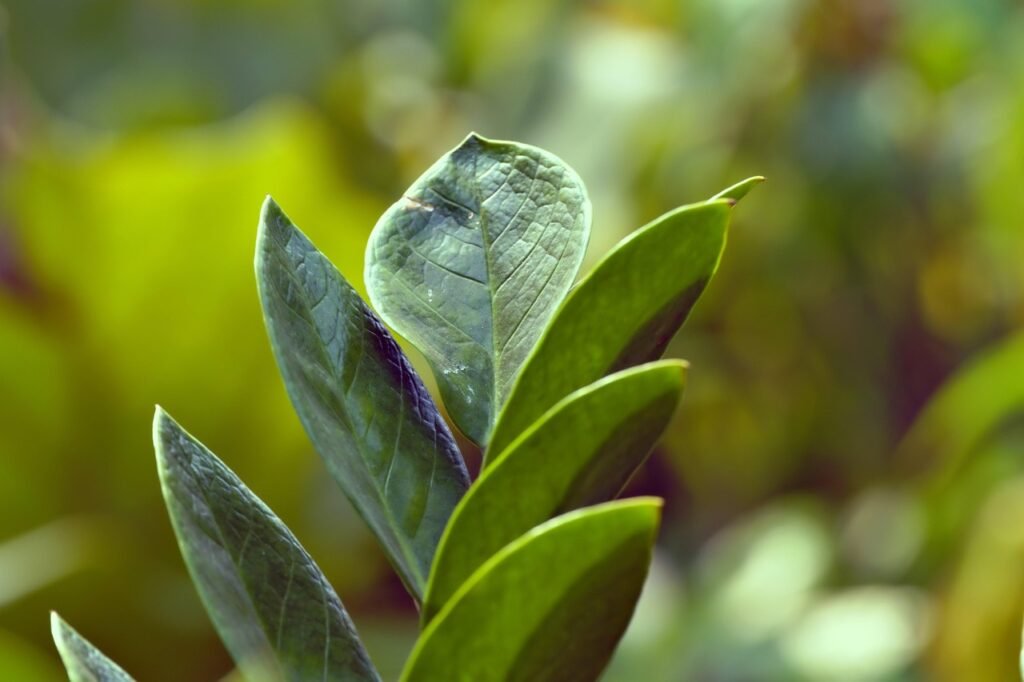
ZZ Plant (Zamioculcas zamiifolia)
ZZ plants withstand neglect and low light better than most. Their glossy leaves add a modern look, and they are increasingly popular worldwide.
They require low to medium light, water sparingly, and allow the soil to dry out between waterings.
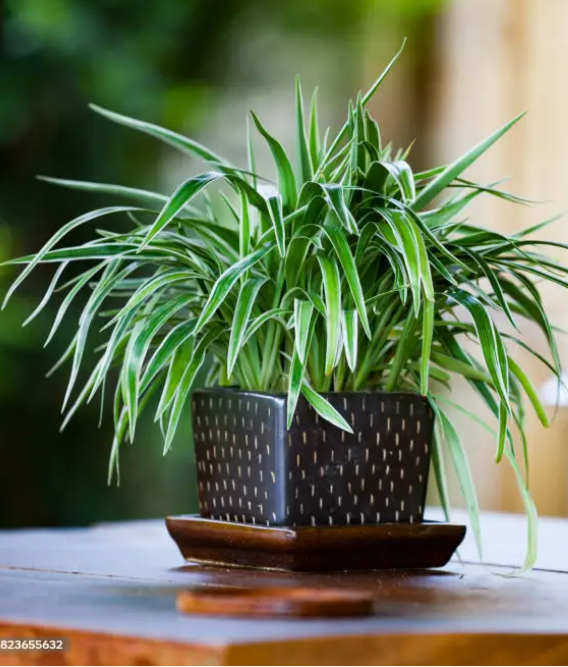
Spider Plant (Chlorophytum comosum)
Spider plants are fast reproducers, easy to propagate, and have been included in classic air-cleaning studies, such as those involving formaldehyde, xylene, and toluene. Safe for many households, but check pets.
They require bright, indirect light, and like slightly moist soil.
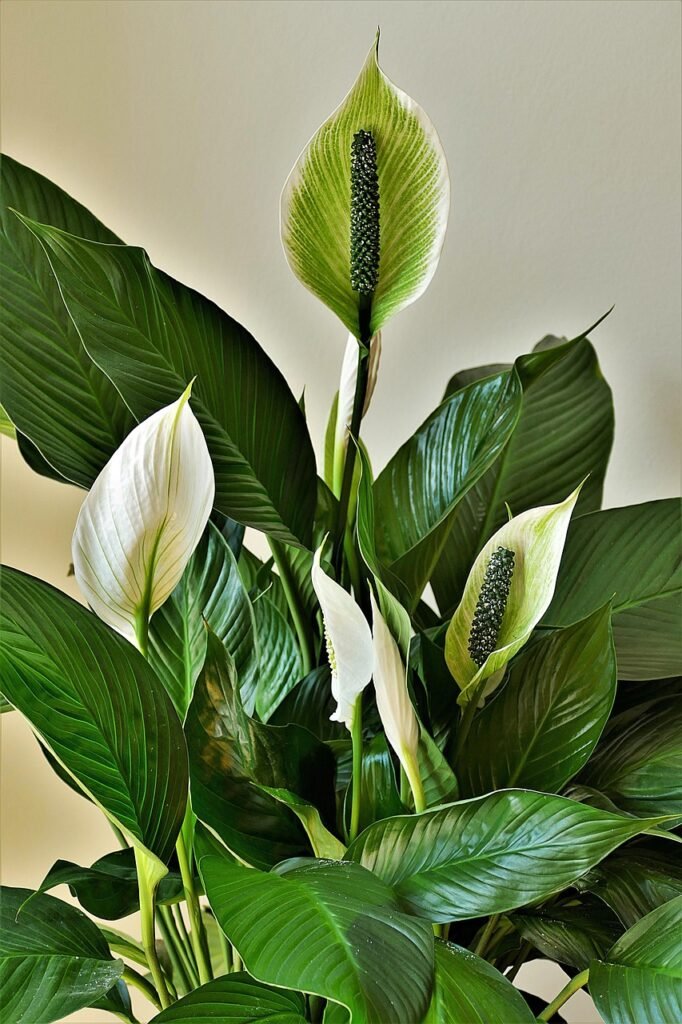
Peace Lily (Spathiphyllum)
Why it’s excellent: Flowers indoors, thrives in low light, and shows firm VOC removal profiles such as formaldehyde, benzene, and trichloroethylene.
They require low to medium light and keep the soil evenly moist; wilting is a clear signal to water.
Note: Toxic if ingested by pets/children.
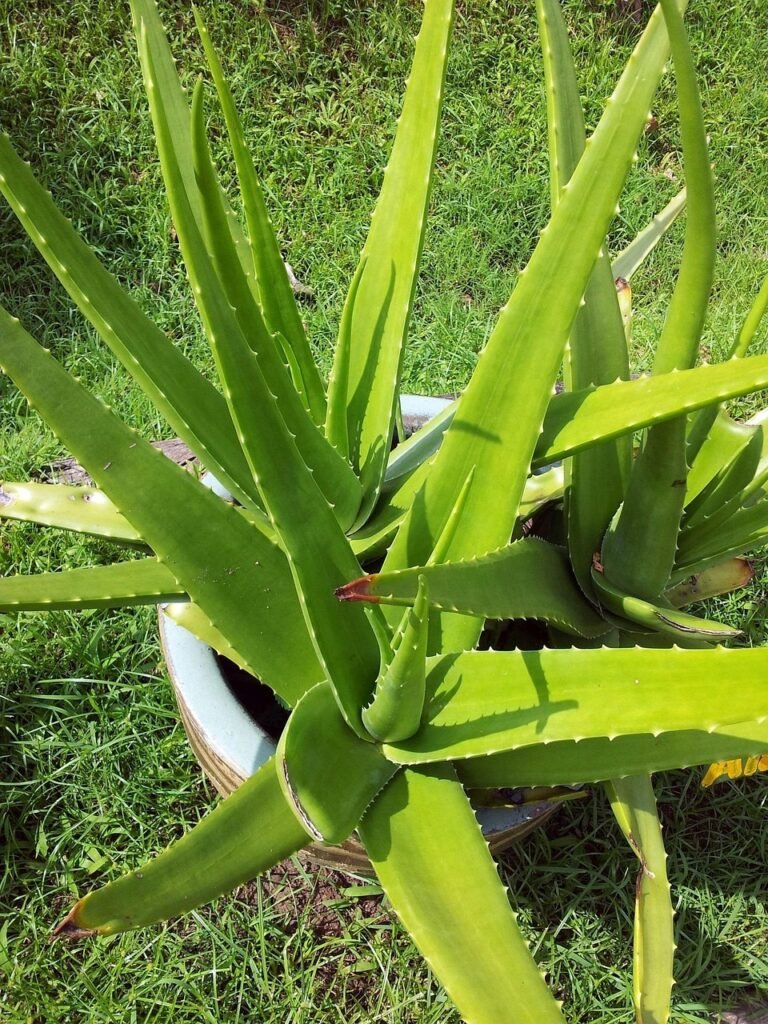
Aloe Vera (Aloe barbadensis)
Aloe vera plants are multi-purpose; for example, they can be used for skin remedies and offer various health benefits. Shown to absorb formaldehyde and benzene in lab studies. Loves bright light and sparse watering.
They require bright light, water deeply but infrequently, and allow the soil to dry between waterings.
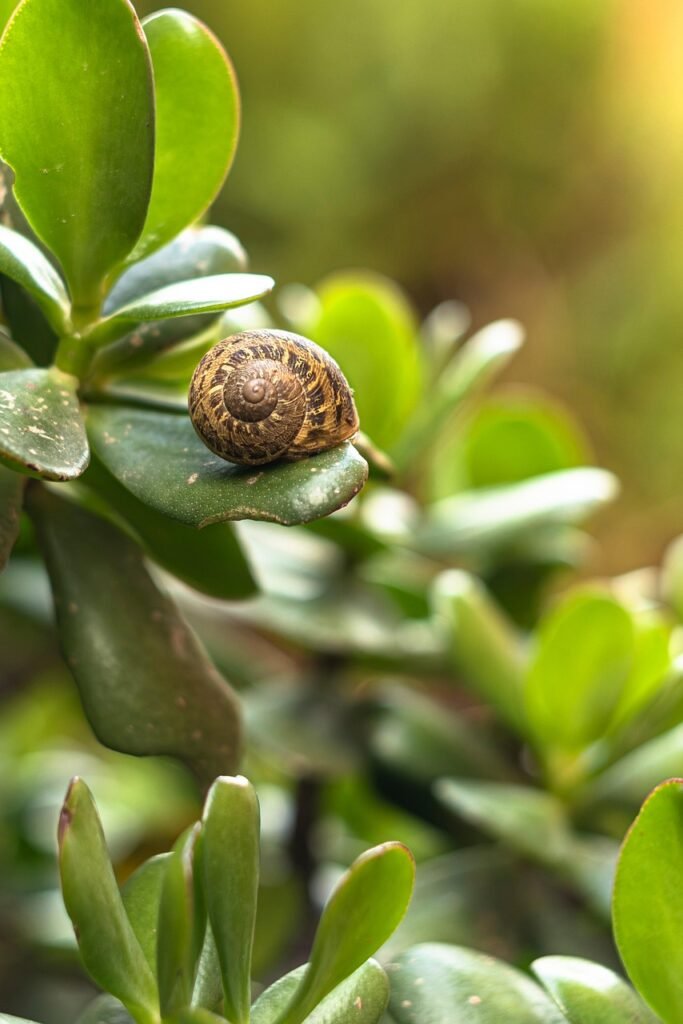
Rubber Plant (Ficus elastica)
The large, glossy leaves of the rubber plant trap dust and are reported to reduce formaldehyde; they are robust and forgiving when exposed to moderate light.
They require bright, indirect light, which is preferred, and moderate watering is recommended. Wipe leaves occasionally to keep pores clear and prevent clogging.
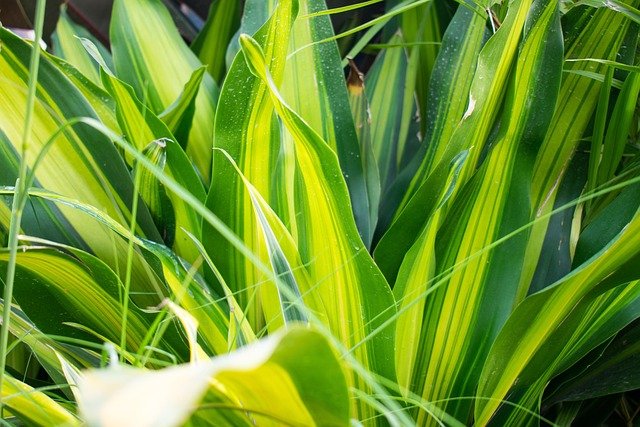
Dracaena (several species)
They are tough, structural plants that tolerate indoor conditions; several Dracaena species are included on air-quality lists and gardening roundups.
They require bright to medium indirect light, moderate watering, and allow topsoil to dry slightly.
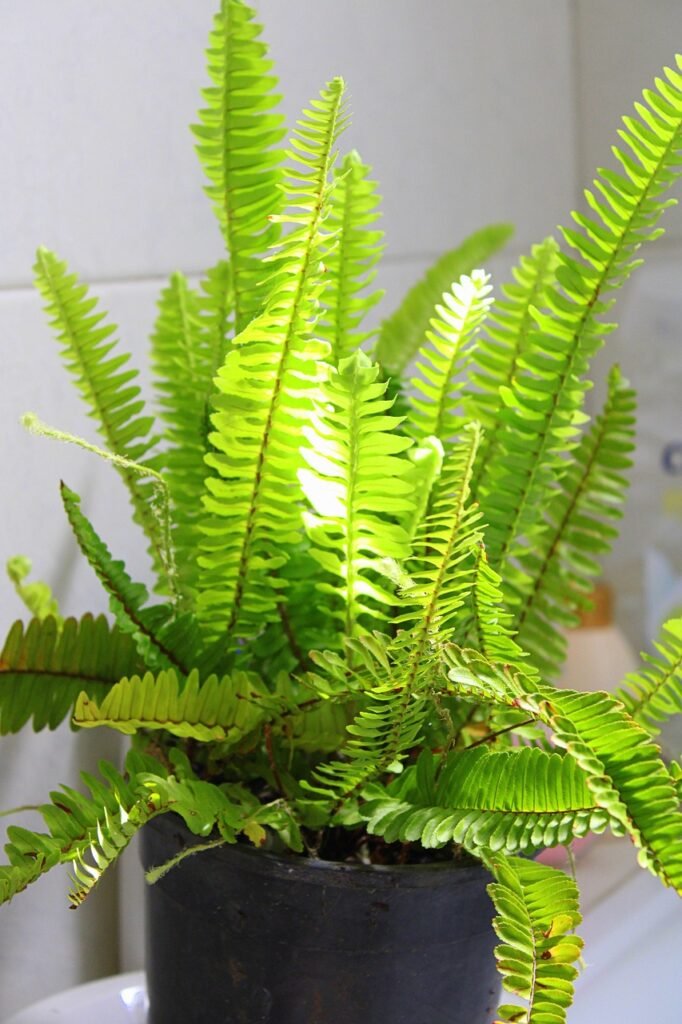
Boston Fern (Nephrolepis exaltata)
Boston ferns thrive in humid environments, help increase indoor moisture, and are beneficial in dry climates; they have been associated with reducing formaldehyde levels. Needs a little more attention and is hardy in the right spot.
They need to provide indirect light, high humidity, and keep the soil consistently moist.
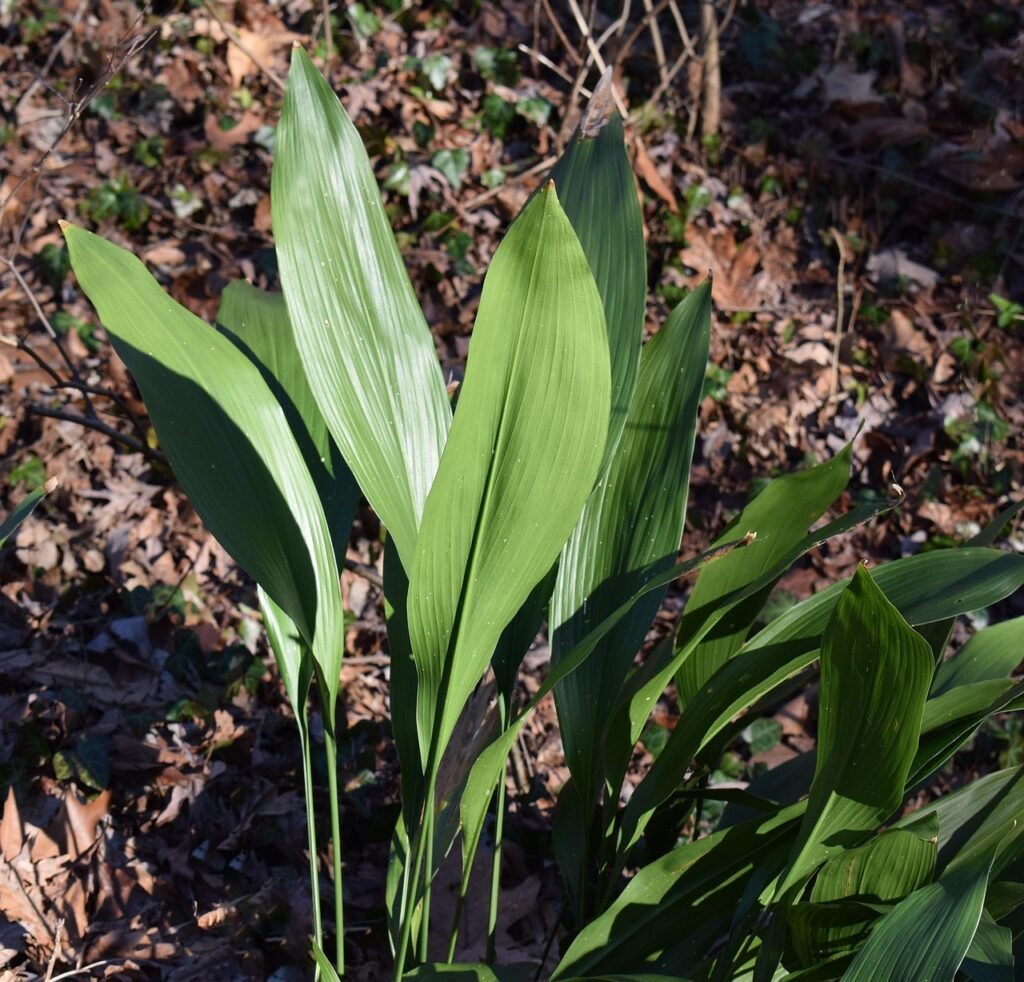
Cast Iron Plant (Aspidistra elatior)
They are legendary for their tolerance, thrive in low light, fluctuating temperatures, and neglect. Not in every air study, but valuable when durability is the priority.
They require low light and water when the top of the soil is partly dry.
Comparison table
| Plant | Light Tolerance | Watering | Lab Observed VOCs | Difficulty |
| Snake Plant | Low–bright | Low | Formaldehyde, benzene, xylene. | Very easy |
| Pothos | Low–bright | Low–moderate | Commonly listed for VOC removal. | Very easy |
| ZZ Plant | Very Low–bright | Very low | Durable; limited direct VOC lab data. | Very easy |
| Spider Plant | Low–bright | Moderate | Formaldehyde, xylene, toluene. | Easy |
| Peace Lily | Low–medium | Moderate | Formaldehyde, benzene, trichloroethylene. | Easy |
| Aloe Vera | Bright | Low | Formaldehyde, benzene. | Easy |
| Rubber Plant | Medium–bright | Moderate | Formaldehyde. | Easy |
| Dracaena | Low–bright | Moderate | Listed in air-quality lists. | Easy |
| Boston Fern | Indirect | High | Formaldehyde, xylene | Moderate |
| Cast Iron Plant | Very low | Low–moderate | Durable; limited direct VOC lab data. | Easy |
Practical tips for success
- Start with light. Matching the plant to the room’s light level reduces the likelihood of failure. Snake plants and ZZ plants tolerate low light, while aloe and most succulents require bright light.
- Drainage matters. Most “hardy” plants hate sitting in water. Use well-draining soil and pots with drainage holes to ensure optimal growth.
- Don’t overwater. The single biggest reason people lose plants is overwatering. When in doubt, wait; many of these species store water or tolerate drought.
- Rotate and clean leaves. Dust blocks pores. Wiping large leaves of the rubber plant and the snake plant helps photosynthesis and keeps them functioning well.
- Scale expectations for air cleaning. If your goal is to significantly reduce indoor VOCs in a closed space, consider pairing plants with ventilation or an air purifier, as research shows that plants can help, but they are not a magic substitute for proper airflow and source control.
Where to buy and international availability
- These species are widely available across North America, Europe, the Middle East, and Asia through garden centers, large retailers, and online nurseries. Varieties and cultivar names may differ regionally; for example, “Sansevieria” is often sold as “snake plant” or “mother-in-law’s tongue”. Still, the ten plants above are staples in the global houseplant trade. If you live in a very humid or arid region, choose species adapted to those conditions, such as ferns for humid climates, and succulents for dry climates.
Final verdict: which one should you pick?
- For absolute beginners / minimal care, consider the ZZ plant, Snake plant, or Pothos.
- If you want flowers indoors, consider the Peace Lily, but be aware that it may be toxic to pets.
- If you’re looking for a multi-purpose option for both first aid and plants, consider Aloe vera.
- If you desire humidity and a lush appearance, consider the Boston fern, which requires more care.
Final notes on health claims and science
The original NASA experiments helped raise awareness about plants’ potential to remove VOCs. More recent, larger-scale reviews and fieldwork have both supported and questioned the extent to which a realistic number of houseplants has on overall indoor air quality. The consensus in recent literature is that plants are beneficial for well-being and can remove certain pollutants. However, for meaningful pollutant control in modern homes, it is recommended to combine plants with ventilation and source removal. In other words, they’re a beautiful, helpful part of the solution, not the whole solution.
Your feedback on future articles related to this subject would be greatly appreciated.
Affiliate disclosure: As an Amazon Associate, I earn from qualifying purchases.
Related Guides
10 Frequently Used Plastic Bathroom Swaps for an Eco-Friendly Home
Safer Swaps of 10 Frequently Used Plastic Kitchen Items
Plastic Is Dying: These 10 Packaging Alternatives Are the Future

6 Revolutionary Plastic Alternatives in 2026 to Replace Traditional Plastic

9 Affordable Green Technology Products to Reduce Energy Consumption in 2026

How Fog Harvesting Is Redefining Water Security

Informative article! Very refreshing and well-researched content. It’s great to know which plants truly have air-purifying potential and are also easy to care for.
This article is very interesting to read, and it helped me understand how indoor plants play a role in cleaning the air. I love indoor plants, but many times I have ruined them by overwatering. Kindly write an article on interior design that includes a sustainability approach.
Loved article about plants🤍how beautifully you selected pictures. Great to know about plants and their tolerance for water and sunlight. Really helpful.
Great article!🫶🏻
Indoor plants are a simple way to boost air quality and mood. Love the low-maintenance suggestions like snake plants and ZZ plants. Perfect for busy lives.
What a refreshing and beautifully curated list! 🌿 I truly appreciate how you’ve highlighted indoor plants that not only purify the air but are also resilient and easy to care for. The way you’ve described each plant makes it clear and accessible for both beginners and seasoned plant lovers. Your article will surely help many people bring a little breath of fresh life into their homes!
This article is very informative and interesting. How beautifully you picturize the different indoor plants and explain about their air purifying effect tha how they remove volatile organic compounds like benzene and xylene etc that are harmful for human being and other animals. Indoor plants as their decorative value they are important for removing air pollution and make air fresh. This article also provide good information about conditions in which these plants grow.❤️
Very appreciative work on environment.
Great read! I love how the article breaks down which low‑maintenance greens actually clean the air and fit busy lifestyles.
I like illustrations and beautifully explained concept of air purification that is much needed in current era.keep up the good work👍
Plants are the most beautiful creations in the world and are the best purifier it’s really a interesting article now a days they are very important bcz our atmosphere is polluted air is not purified or good many harmful chemicals are in air nd some gases which are not good for us so this is the best way to grew a little plants ❤️
Ma Sha Allah
Informative