The kitchen in 2026 is less a single room and more a compact command center: smarter, quieter, greener, and designed to save money as much as time. Below, I’ve gathered practical, cost-effective (top Smart energy-efficient and modern kitchen trends for 2026) that can actually be implemented worldwide, from low-cost swaps to mid-range renovations, and included comparison tables to help you choose what fits your budget and climate. Where helpful, I’ve referenced recent market and technology data to show why these shifts matter.
Why 2026 is a tipping point
Smart appliances and energy-saving technologies have moved from luxury to value. It is expected that strong growth in the smart kitchen appliances market, driven by the Internet of Things (IoT), AI features, and household energy concerns, will lead to more models, more competition, and more affordable options for buyers worldwide.
Induction cooking goes mainstream: fast Return on Investment (ROI) and efficiency
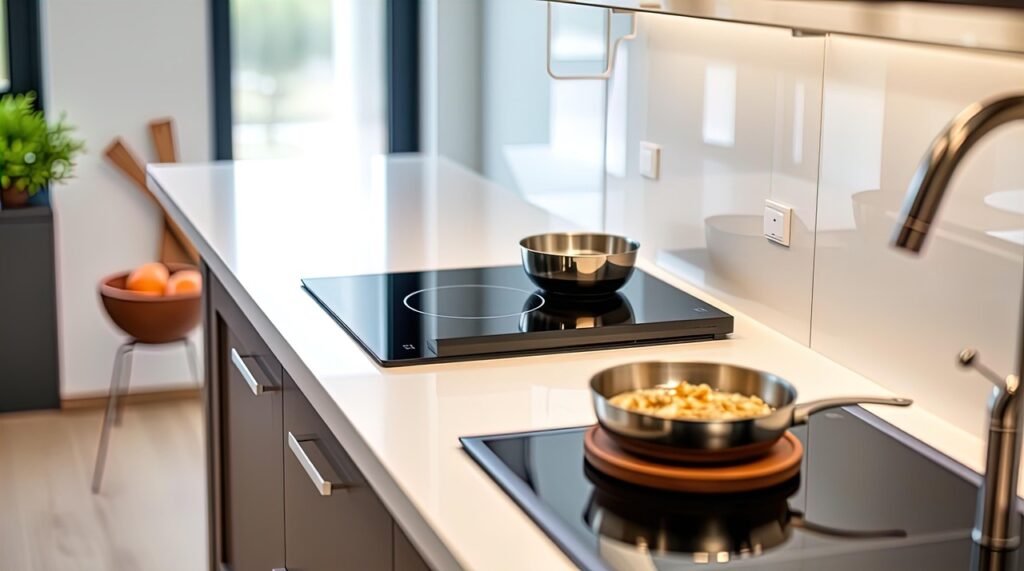
To make your kitchen more efficient without demolishing the whole place, it’s easiest to switch to an induction cooktop. Induction cooktops directly warm the cookware rather than heating the burner and then the pan, as traditional electric or gas stoves do. In this process, the cookware heats up directly by converting 80 to 90 percent of its electromagnetic energy into heat, and less heat escapes into the kitchen, keeping the area cooler than with traditional stovetops, which convert only 30 percent of their energy into cooking heat. Therefore, modern induction cooktops enhance kitchen comfort by keeping the ambient temperature lower. In consequence, it will lower energy bills, cook meals faster, save time, and reduce the carbon footprint. To implement this in your kitchen, buy a single-burner countertop portable induction stove (Check prices on Amazon, or a local equivalent) to verify compatibility with your cookware before committing to a built-in range.
Smart and energy-rated appliances: small features, significant savings
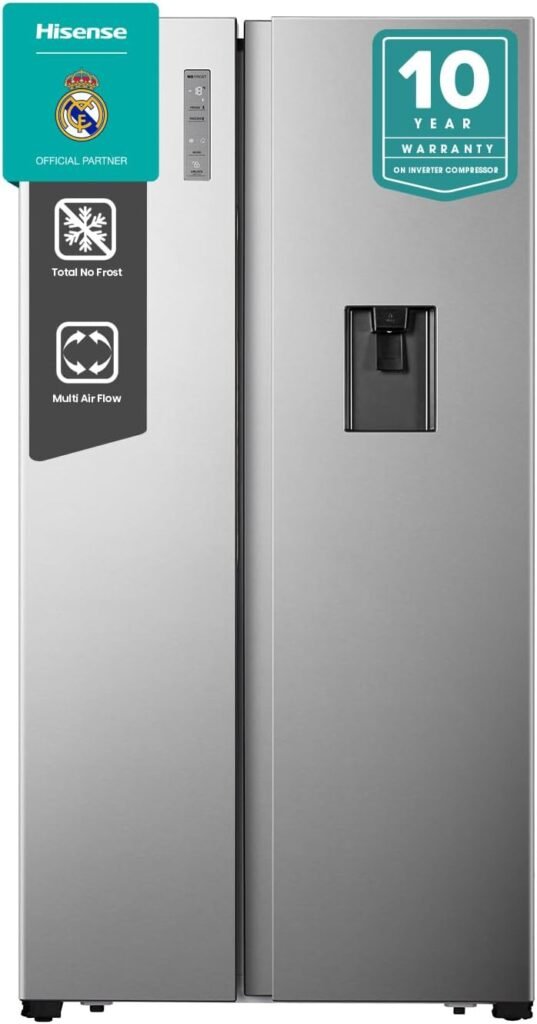
The latest smart refrigerators, dishwashers, and ovens combine sensors, adaptive cycles, and remote diagnostics. Energy-rated smart appliances (look for ENERGY STAR, EU eco-labels, or local equivalents) can use algorithms to run at off-peak times, auto-adjust settings, and notify you about leaks or inefficiencies, all of which reduce waste and repair costs over time.
Market reports show rapid growth in smart kitchen appliances, particularly smart refrigerators, leading to more features at lower prices each year. If you’re replacing a major appliance, prioritize an energy-rated innovative model, as it often saves more over its lifetime than the initial cost.
Minimalist integration
Clean, handleless cabinetry and integrated appliances remain in vogue — not just for style but for thermal and acoustic benefits. Built-in refrigerators and dishwashers can be better insulated and quieter than stand-alone units, improving overall kitchen energy performance and indoor comfort. The visual continuity also increases perceived home value, a factor worth considering if resale is in your plans. Recent design features, such as transparent fridge fronts, are also gaining attention among designers and on social media, allowing homeowners to balance aesthetics with functionality.
Extraction and ventilation reconsidered
For open-plan and island kitchens, integrated extractor hobs (venting built into the cooktop) are a modern, space-saving solution. These systems simplify ducting and often improve localized air capture, thereby improving indoor air quality during cooking. Combined with energy-efficient ventilation motors, they can be both stylish and practical. Major manufacturers introduced refined extractor induction hobs and more innovative dishwashers at trade shows in 2025, signaling broad availability in 2026.
Lighting and small changes that multiply savings
Switching to LED lighting (including task lighting under cabinets) remains one of the easiest, highest-impact upgrades. LEDs can dramatically reduce lighting energy use and last far longer than incandescent/halogen bulbs. Slight behavior changes, like using lids, batch-cooking, and cold-rinse cycles in dishwashers, add up, too. Combined with smart plugs and simple timers, these low-cost steps can reduce kitchen energy consumption noticeably in the first year.
Sustainable surfaces & materials
More homeowners are paying attention to what their kitchens are made of, and that’s driving a shift toward materials with a lighter environmental footprint. Recycled-glass counters, reclaimed wood, and even newer low-impact quartz options are becoming easier to find. If shipping is expensive where you live, choosing locally made materials can lower both costs and environmental impact. And if your budget is tight, you don’t need to replace everything; refinishing cabinet fronts or upgrading to a recycled composite countertop can refresh the space without overspending.
Water-efficient fixtures and heat recovery
Smart taps and low-flow fixtures reduce water use without harming function. For homes with older water heaters, consider point-of-use heat pump water heaters or small heat-recovery systems for dishwashers — technologies that are increasingly available and can substantially reduce water-heating energy use. New research into household heat-reuse applications suggests even greater potential for integrated domestic energy systems in the coming years.
Localized innovative ecosystems
In 2026, the best smart kitchens focus on internal operating systems and simplicity. The essential functions are controlled through applications and voice, mixing and combination of recipes with pan sensors, and scheduled energy use. Over-automation should be avoided to prevent becoming complicated, frustrated, and dependent on apps for every small task; prioritize only features that save time, reduce food waste (e.g., food management apps), and cut energy use. Many medium-range appliances are now manufactured with basic AI features such as cycle optimization and predictive maintenance without requiring costly subscriptions.
Cost-effective comparison table: Appliances & Upgrades
| Upgrade | Typical Cost Range (global) | Energy/Value Benefit | ROI | Notes |
| Portable single-zone induction hob | $30–$150 | High cooking efficiency, low initial cost | Fast (months–2 yrs) | Low-risk trial before built-in purchase. |
| ENERGY-rated smart fridge | $500–$2500+ | Lower running costs, remote diagnostics | Medium (2–6 yrs) | Choose a size to avoid unnecessary energy use. |
| LED lighting overhaul | $50–$300 | Up to ~75% lower lighting energy | Fast (months–1 yr) | Includes fixtures and under-cabinet strips. |
| Recycled/reclaimed countertops | $50–$200+/m² | Lower embodied carbon, unique look | Varies | Recycled glass and reclaimed wood are cost-effective locally. |
| Extractor-induction hob | $800–$3500 | Space saving, good extraction | Medium | Great for islands; installation can add cost. |
| Smart dishwasher (AI wash) | $400–$1500 | Water, energy savings | Medium (2–5 yrs) | Look for eco cycles and heat-recovery options. |
Costs are indicative and vary by country, model, installation, and currency.
Quick comparison: Countertop materials (sustainability & cost)
| Material | Typical Cost | Sustainability Notes | Best for |
| Recycled glass | Mid | Uses recycled content, lower quarrying impact | Unique aesthetics, eco-focus |
| Reclaimed wood | Low–Mid | Carbon stored in wood; careful sourcing needed | Warm, rustic kitchens |
| Carbon-neutral quartz | Mid–High | The manufacturer offsets and uses renewable energy in production | Durable, low maintenance. |
| Laminate (high-pressure) | Low | Lower embodied carbon if locally produced | Budget renovations |
Design guidelines: Future-proof for electrification
If your country is moving away from gas and you expect electrification incentives in the future, prioritize electric-ready-to-install outlets at 240V, with adequate ventilation, and a range of induction layout options. Fitting later is more costly than planning before.
Practical checklist before you renovate
Audit your existing energy usage with a smart plug tracker or a basic energy monitor.
Prioritize upgrades that save the most energy, such as induction, LED, and one smart, energy-rated appliance.
Buy local appliances where possible to reduce transport emissions and often lower costs.
To test, start with a portable induction and LED swaps before a complete renovation.
Ask vendors about firmware updates and long-term support for “smart” features. However, a key quality indicator is that manufacturers are expanding software support lifecycles.
Final opinions: balance tech with timelessness
In 2026, kitchens are not about overhauling the entire place to make a noticeable difference; choose renovations that fit your lifestyle, reduce waste, are energy-efficient, durable, and use low-impact materials. With growing competition in the smart appliances market, prices will drop, making sustainable, eco-friendly kitchens increasingly accessible worldwide with a range of options. If you work step by step, you can build a modern, efficient kitchen without breaking the bank.
Affiliate disclosure: As an Amazon Associate, I earn from qualifying purchases.
This article on smart, energy-efficient, and modern kitchen trends for 2026 is both inspiring and practical. I especially appreciate how it highlights the move towards seamless integration of technology — built-in smart appliances and hidden control panels not only look sleek but also make daily life more efficient. The emphasis on sustainability — from induction cooktops to energy-saving refrigerators — shows that future kitchens won’t just be stylish, but truly responsible too. Plus, the design trends like lighter tones, natural materials, and quiet, built-in extraction create such a calm and elegant atmosphere. Great read — definitely gets me excited about designing a future kitchen that’s smart, beautiful, and eco-friendly.
This article is very informative and inspiring. I love how it combines smart technology, energy efficiency, and sustainable materials for modern kitchens. It makes me excited to design a kitchen that is not only stylish but also energy-saving and environmentally responsible.