Introduction: Packaging at the Center of the Climate Crisis
Climate change is no longer a distant threat. It is shaping supply chains, consumer behavior, and environmental policy in real time. Plastic packaging, which accounts for a significant share of fossil fuel consumption and global waste, is at the heart of this crisis. From greenhouse gas emissions during production to microplastic contamination in food, water, and even human blood, conventional plastic packaging poses serious risks to both planetary and human health. As climate regulations tighten and consumers demand safer, cleaner solutions, the shift toward renewable, biodegradable, and circular packaging materials is no longer optional, but it is essential. Fortunately, innovation is moving fast, and a new generation of plastic alternatives is redefining how products are protected, transported, and consumed.
This article explores the 10 best plastic packaging alternatives, prioritizing materials that are non-toxic, climate-friendly, recyclable, compostable, and safe for human health while also being scalable for real-world use.
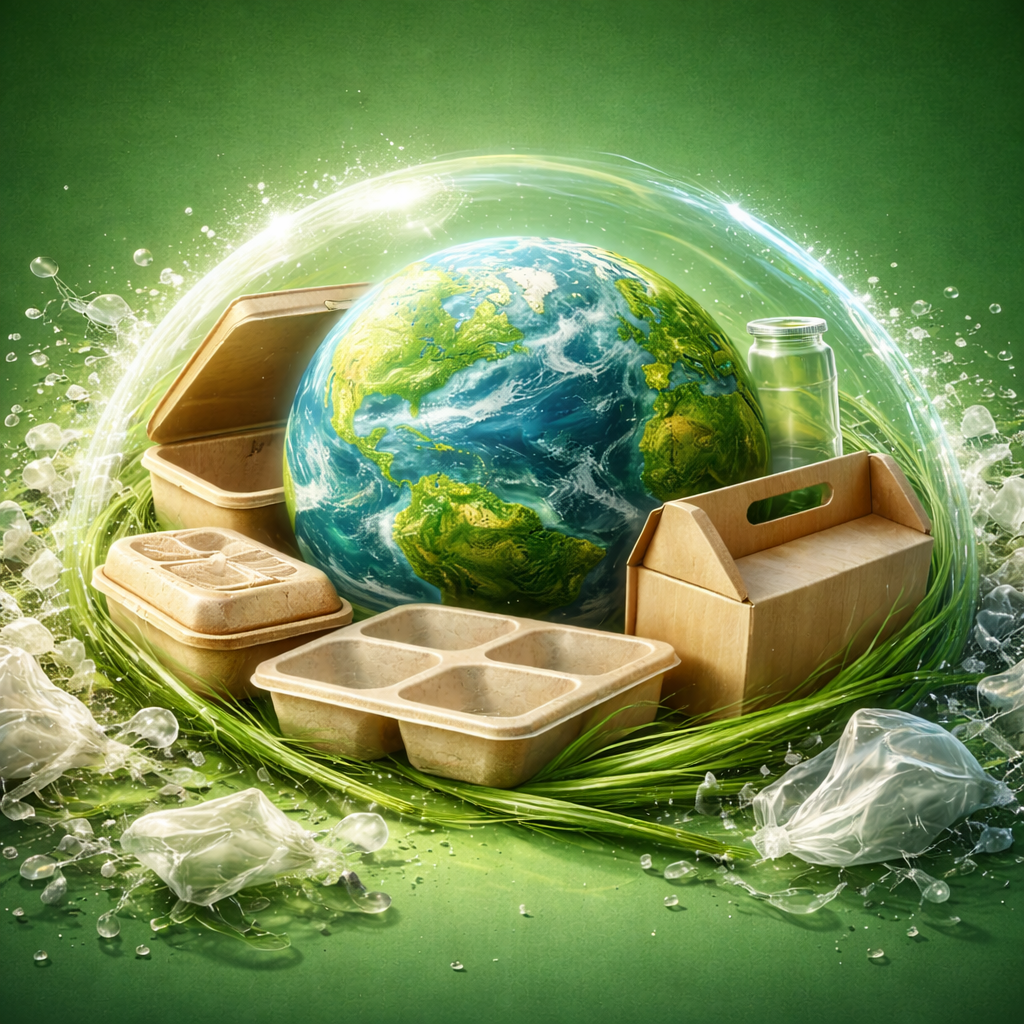
1. Paper-Based Packaging
Paper-based packaging remains the most widely adopted and trusted alternative to plastic, and for good reason. Derived from renewable wood pulp, paper is recyclable, biodegradable, and familiar to recycling systems worldwide.
Modern paper packaging has evolved far beyond simple boxes. Innovations such as water-based coatings, grease-resistant fiber treatments, and multilayer paper laminates have enabled paper to replace plastic in food wraps, cartons, pouches, and takeaway containers without the use of harmful chemicals.
Why it stands out:
Paper decomposes naturally, emits fewer greenhouse gases than plastic, and does not release microplastics or toxic additives into food. When responsibly sourced from certified forests, it supports a circular, low-carbon economy.
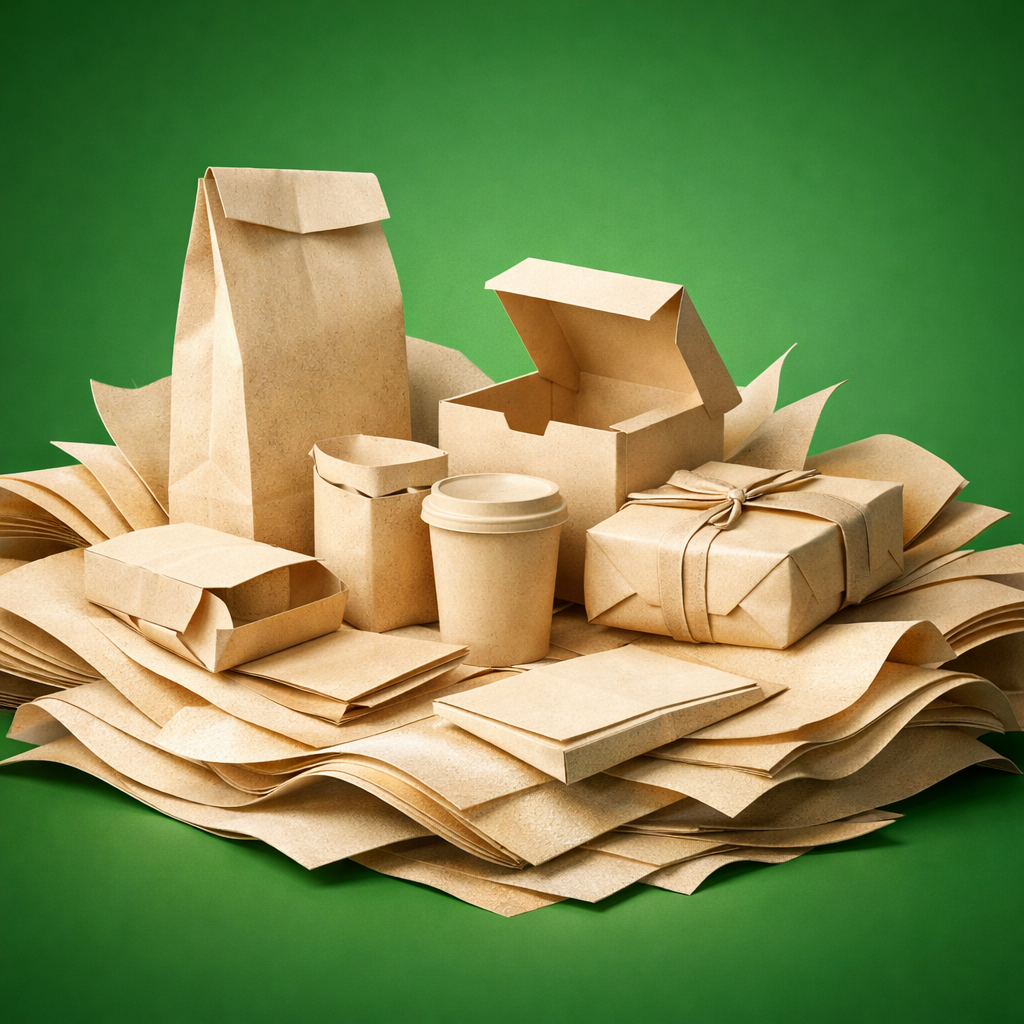
2. Molded Pulp Packaging
Molded pulp is derived from recycled paper, cardboard, or agricultural fibers and is formed into protective shapes using water and heat. Commonly used for egg cartons and electronics trays, it is rapidly expanding into premium and food-grade packaging.
Its strength lies in circularity; wastepaper becomes new packaging, which can then be recycled again or composted.
Health and environmental benefits:
Molded pulp contains no synthetic polymers, no plasticizers, and no toxic residues. It is compostable at home and industrial facilities, making it one of the safest packaging materials for direct food contact.
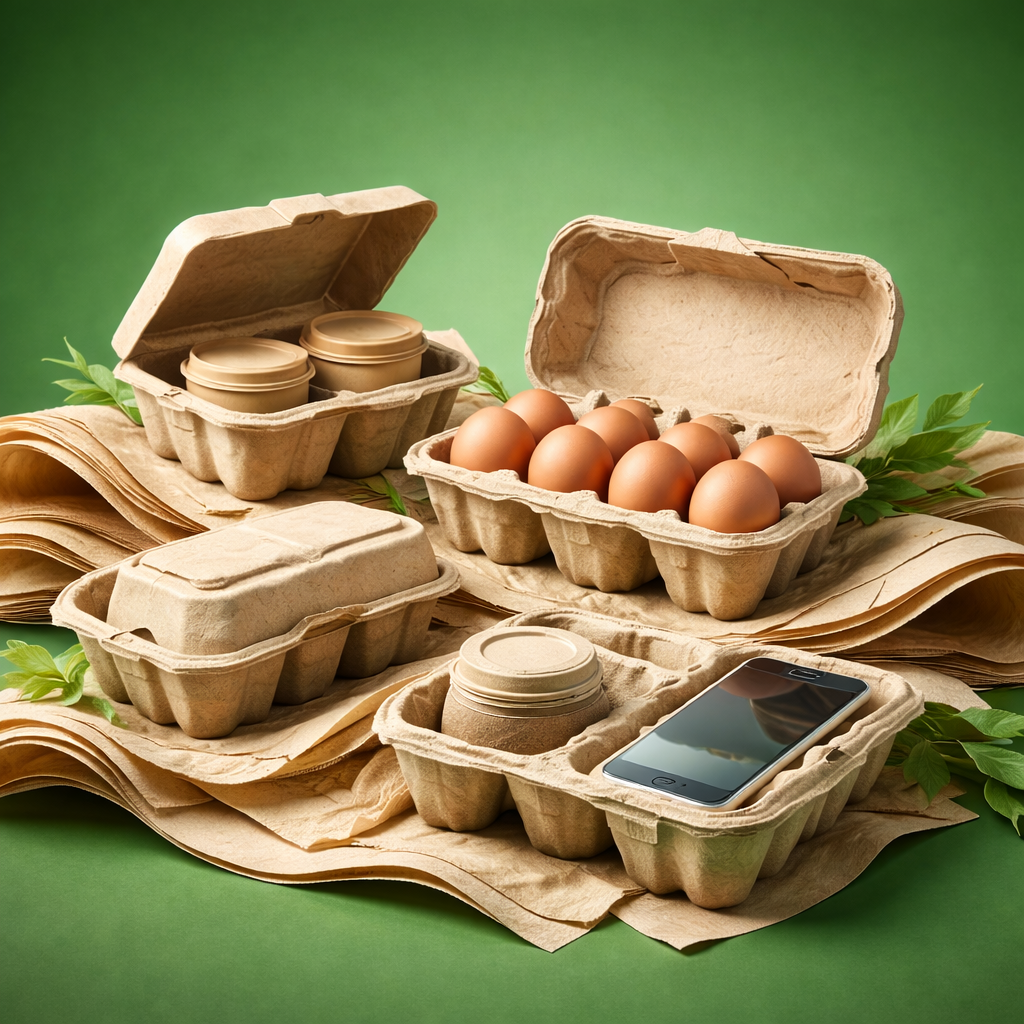
3. Cardboard Packaging
Cardboard is a thicker, more durable paper packaging material, widely used for shipping, storage, and retail displays. Corrugated cardboard offers excellent cushioning and structural strength without relying on plastic fillers or foams.
With global recycling rates exceeding those of many other materials, cardboard plays a vital role in reducing landfill waste and fossil fuel use.
Key advantage:
Cardboard packaging supports large-scale logistics while maintaining low toxicity, high recyclability, and strong consumer acceptance.
4. Mushroom (Mycelium) Packaging
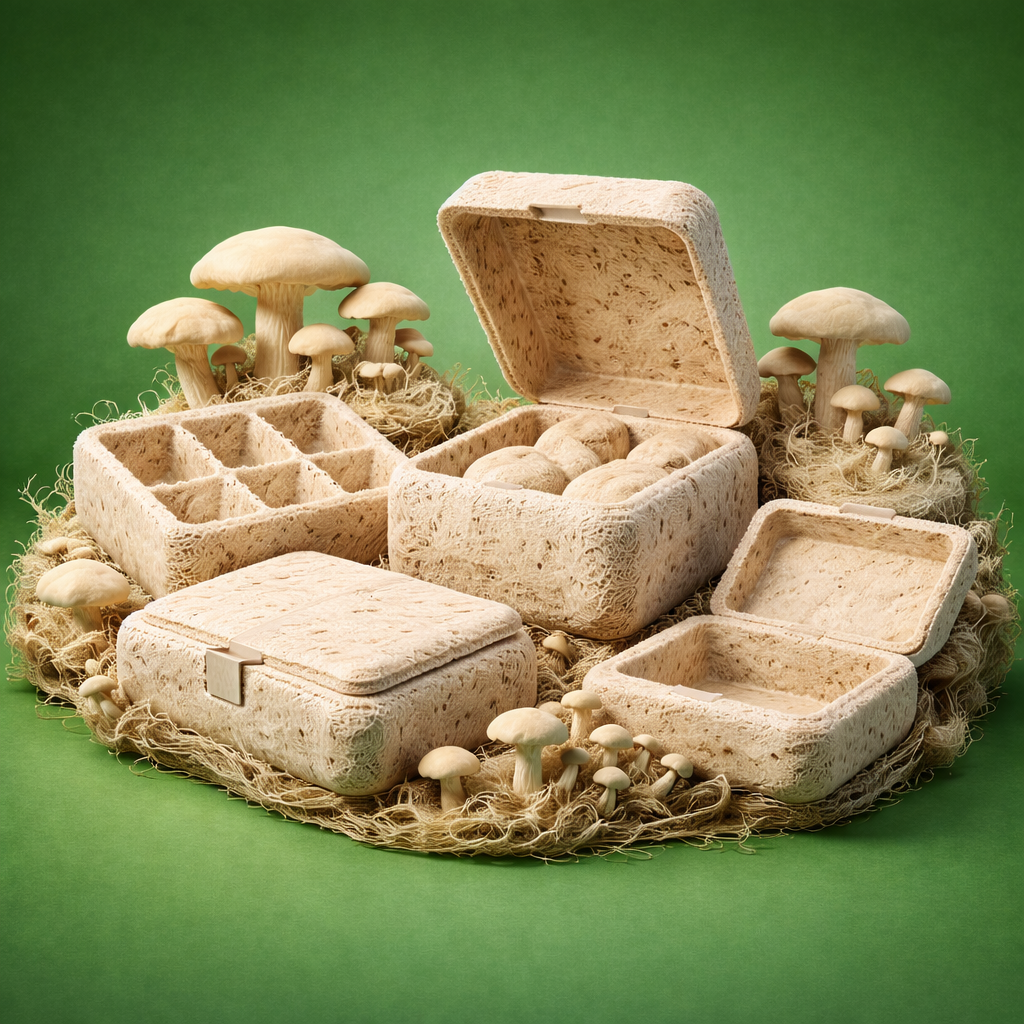
Mushroom packaging is grown, not manufactured. It uses mycelium, the root structure of fungi, to bind agricultural waste, such as husks and stalks, into sturdy, lightweight packaging.
Once used, the packaging can be composted at home and breaks down into nutrient-rich organic matter within weeks.
Why it matters:
Mycelium packaging is carbon-negative, requires minimal energy to produce, and contains zero synthetic chemicals. It is especially effective as a replacement for plastic foams like polystyrene.
5. Seaweed-Based Packaging
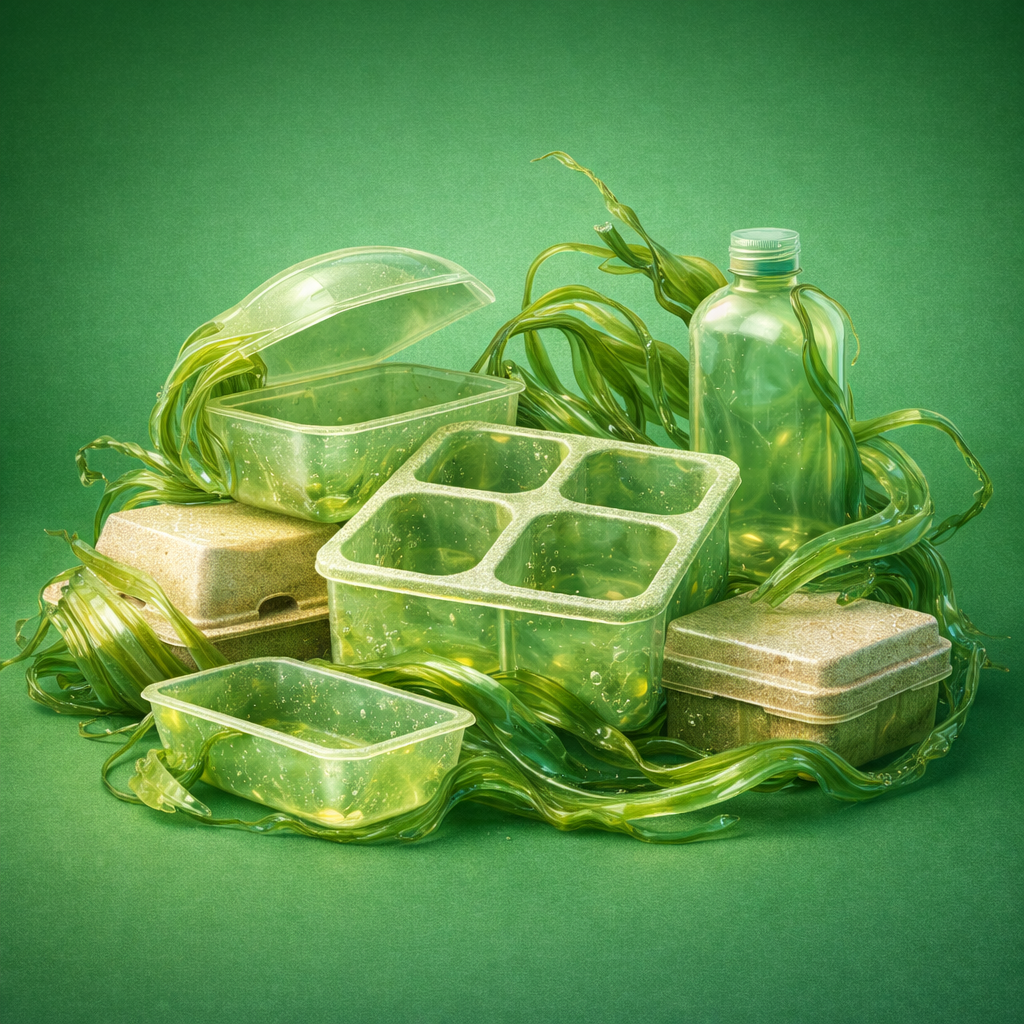
Seaweed packaging is one of the most exciting emerging solutions in the fight against plastic pollution. Made from fast-growing marine algae, it requires no freshwater, fertilizers, or land, making it uniquely climate-positive.
Seaweed films and sachets are already being tested for food wraps, single-use packets, and edible packaging.
Human health edge:
Seaweed packaging is naturally biodegradable and free from petrochemicals, significantly reducing the risk of chemical migration into food.
6. Plant-Based PLA (Polylactic Acid)
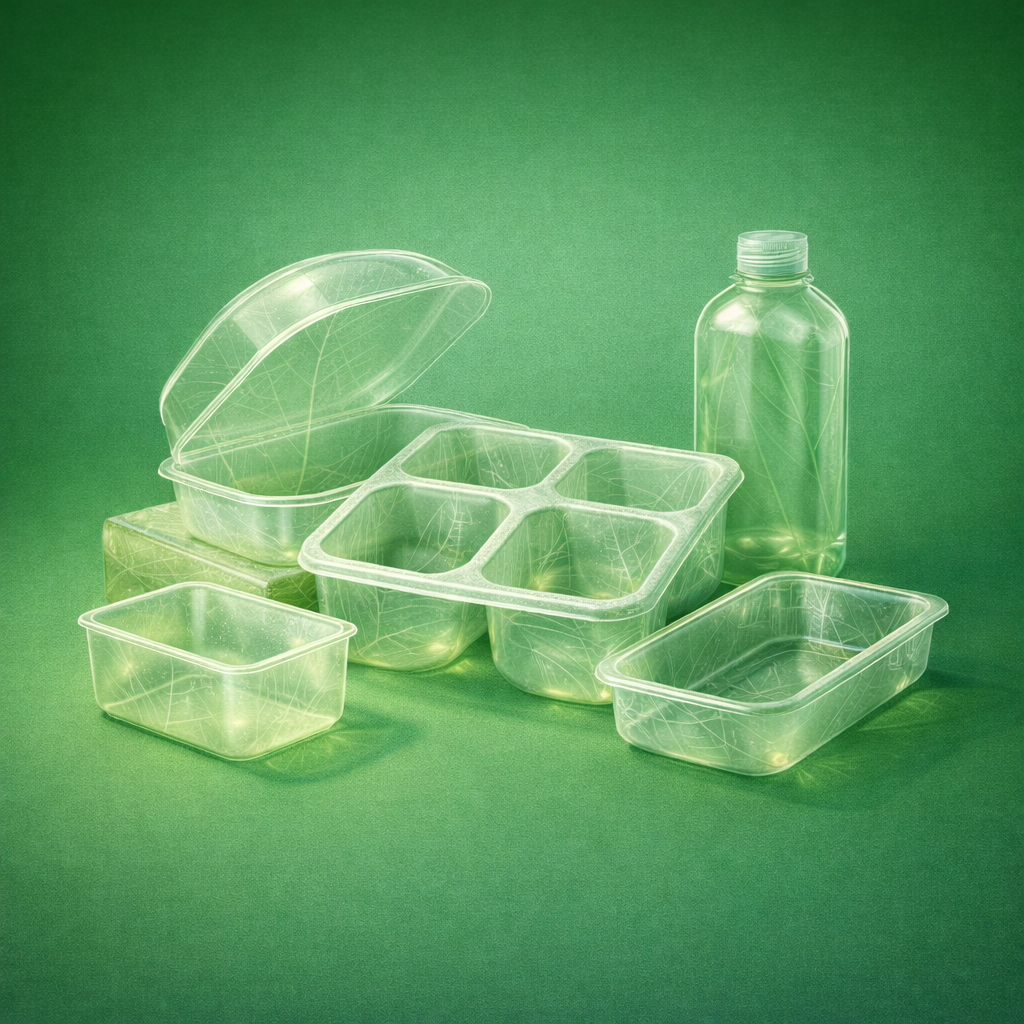
PLA is a bioplastic produced from fermented plant sugars, typically corn, sugarcane, or cassava. It is commonly used for clear food containers, cups, and compostable films.
When composted under industrial conditions, PLA breaks down into natural components without forming microplastics.
Important consideration:
PLA is best used where composting infrastructure exists. When managed properly, it offers a safer alternative to petroleum-based plastics, especially for food and beverage packaging.
7. Bagasse (Sugarcane Fiber) Packaging
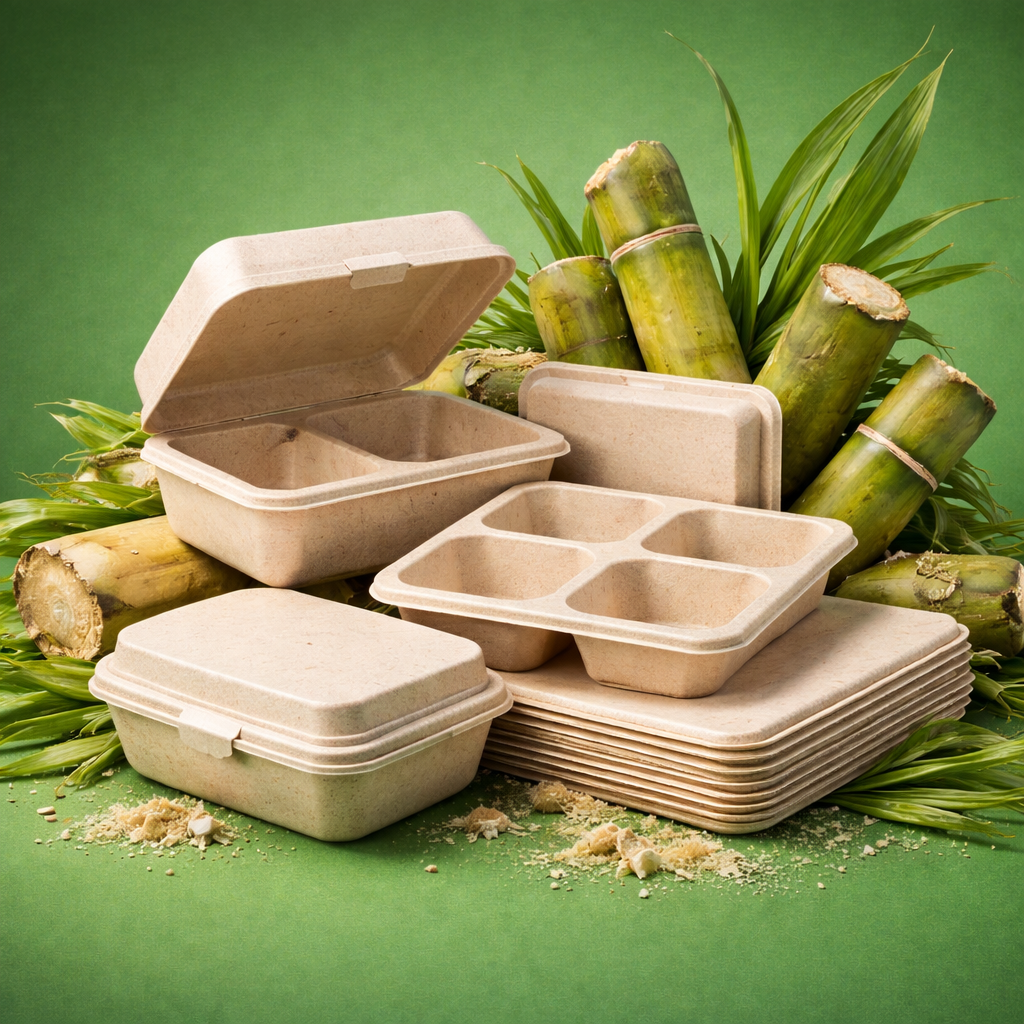
Bagasse contains fibrous residue left after extracting juice from sugarcane. Instead of being burned or discarded, it can be molded into plates, bowls, clamshells, and trays.
Bagasse packaging is heat-resistant, compostable, and suitable for oily or wet foods, making it well-suited for areas where plastic has traditionally dominated.
Why it’s powerful:
It turns agricultural waste into high-value packaging while reducing deforestation and plastic pollution.
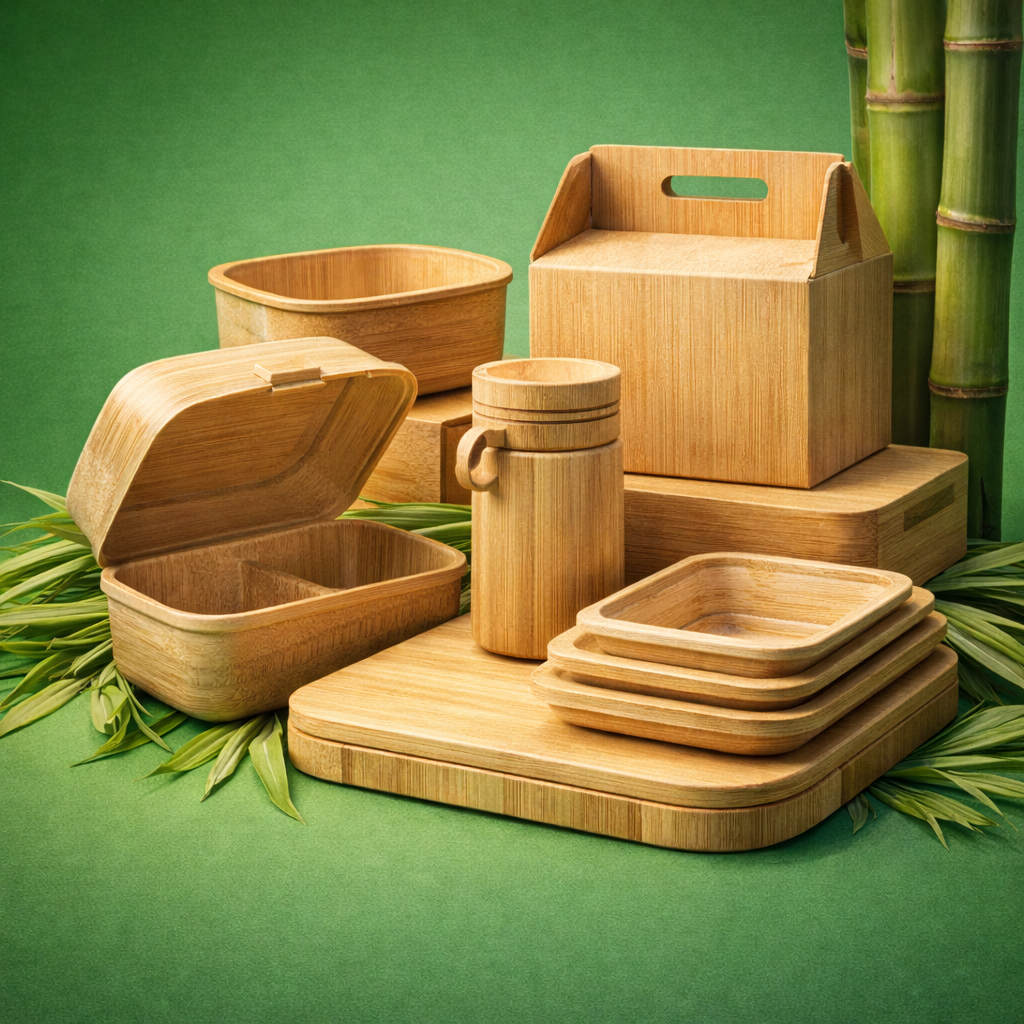
8. Bamboo-Based Packaging
Bamboo grows faster than almost any other plant on Earth and regenerates without replanting. Bamboo fibers are increasingly used to create rigid packaging, paper alternatives, and molded containers.
Health and sustainability benefits:
Naturally antimicrobial and free from harmful additives, bamboo packaging aligns well with food safety and eco-conscious branding.
9. Cellulose Film Packaging
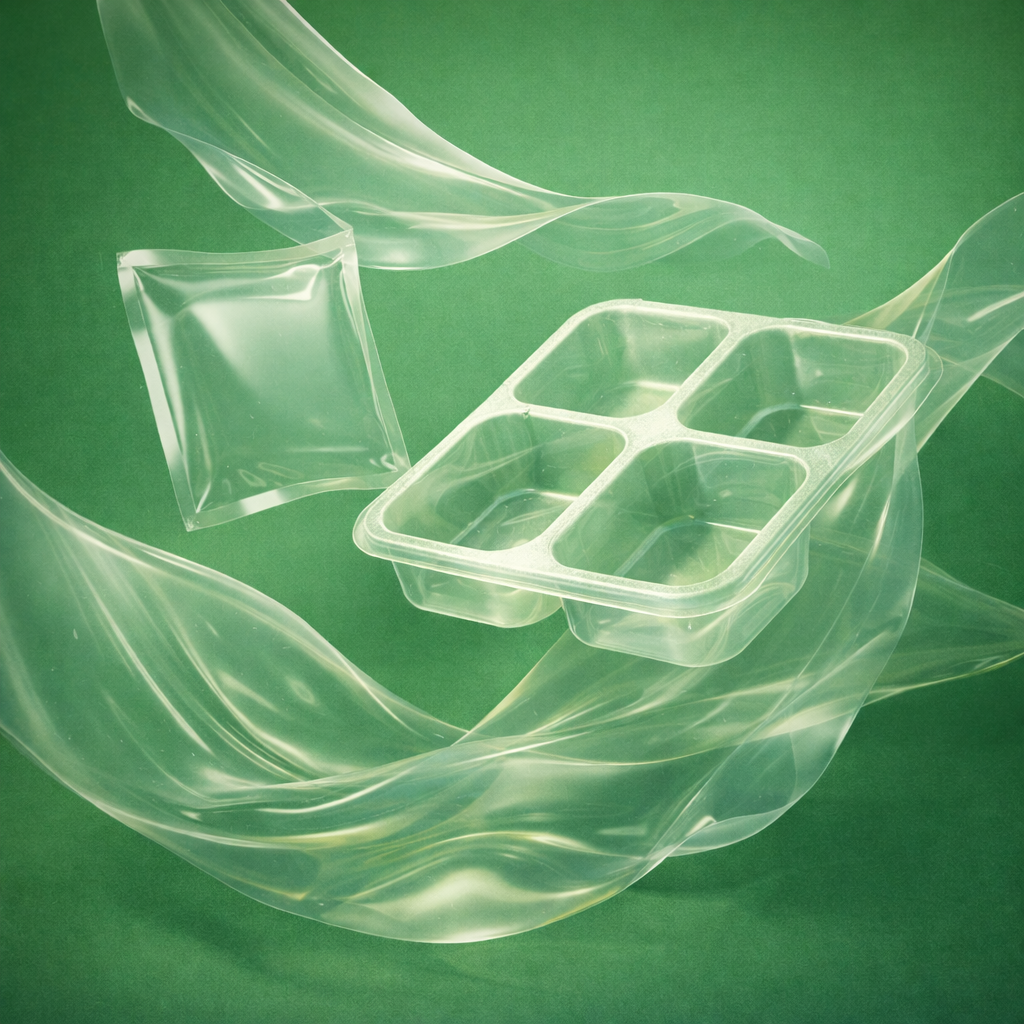
Cellulose films are derived from wood pulp and mimic the transparency and flexibility of plastic films. Unlike conventional plastic wrap, cellulose is biodegradable and compostable.
Used for snacks, baked goods, and produce, cellulose films offer high performance without long-term environmental harm.
Key strength:
They decompose naturally and do not fragment into microplastics, making them safer for ecosystems and human exposure.
10. Edible and Water-Soluble Packaging
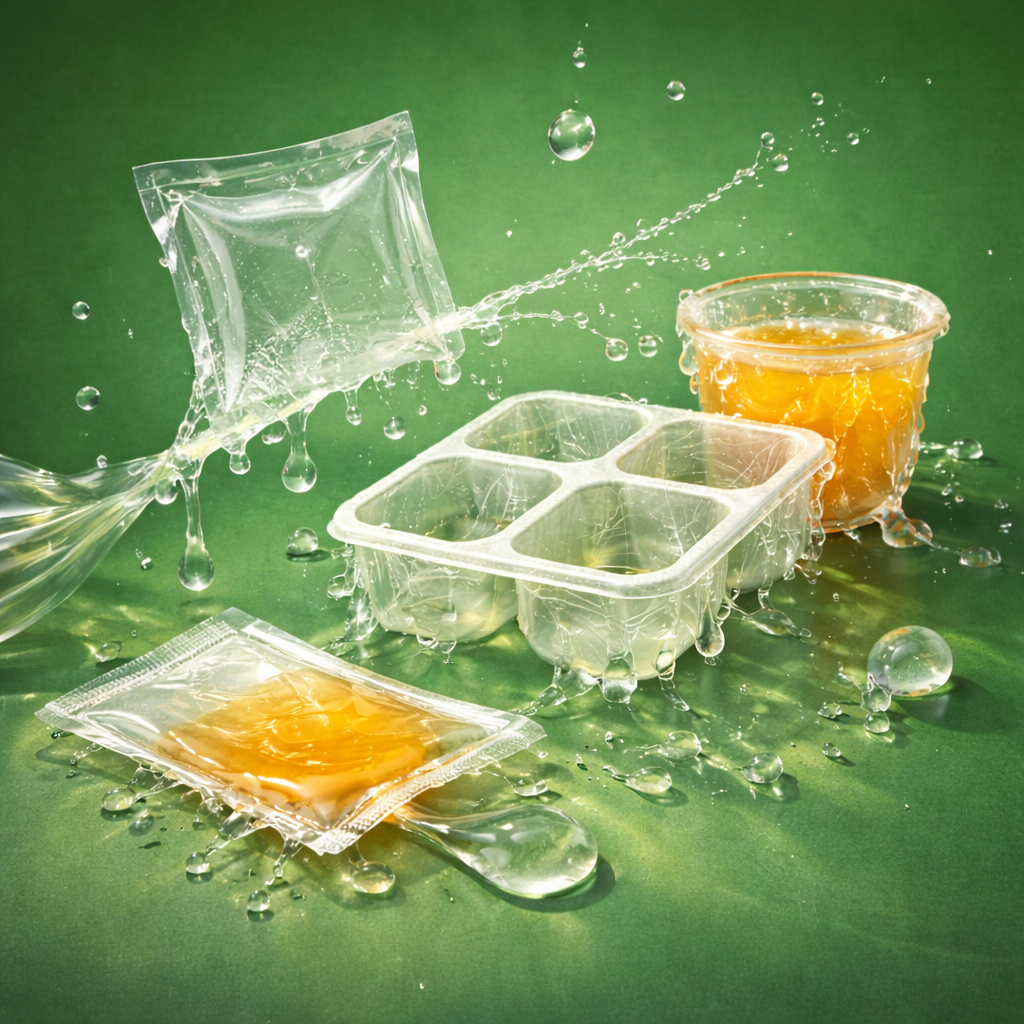
Edible packaging, made from starches, proteins, or seaweed, is designed to be consumed or dissolved in water after use. While still niche, it is gaining traction in single-use applications such as condiment sachets and instant food packaging.
Future potential:
These materials eliminate waste entirely and redefine packaging as a functional part of the product itself.
Why Paper, Molded Pulp, and Compostables Lead the Way
Among all alternatives, paper-based packaging, molded pulp, and compostable plant-based materials stand out as the most practical, scalable, and health-safe solutions available today. They integrate seamlessly into existing recycling systems, decompose naturally, and avoid the toxic chemical additives commonly found in plastics. Crucially, these materials do not release microplastics, endocrine disruptors, or persistent pollutants, making them the top priority for food, pharmaceutical, and consumer goods packaging.
The Bigger Picture: Packaging as a Climate Solution
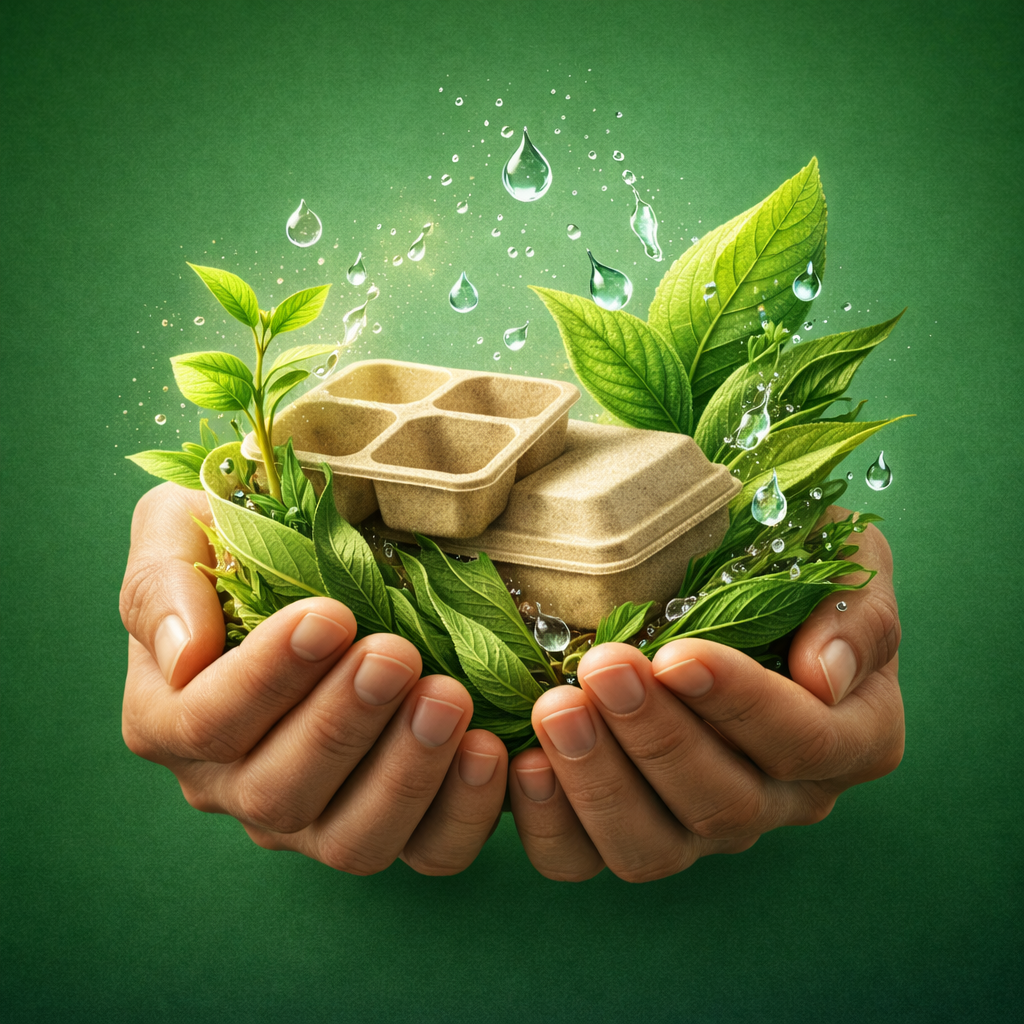
Replacing plastic packaging is not just about waste; it is about reducing carbon emissions, protecting human health, and restoring ecosystems. Packaging choices influence deforestation rates, fossil fuel demand, ocean pollution, and even public health outcomes. By transitioning to renewable and circular materials, businesses can simultaneously cut emissions, meet climate targets, and build consumer trust.
Conclusion: Awareness Is the First Step Toward Change
Plastic packaging did not become dominant overnight, and it will not disappear without conscious effort. Every product we buy sends a signal to manufacturers, retailers, and policymakers. Choosing packaging made from paper, molded pulp, mushroom, seaweed, or compostable plant materials is a powerful act of environmental responsibility and a vote for healthier communities.
Awareness is where transformation begins. When consumers demand safer packaging and businesses respond with innovation, we move closer to a world where convenience no longer comes at the cost of climate stability or human health.
Related Guides
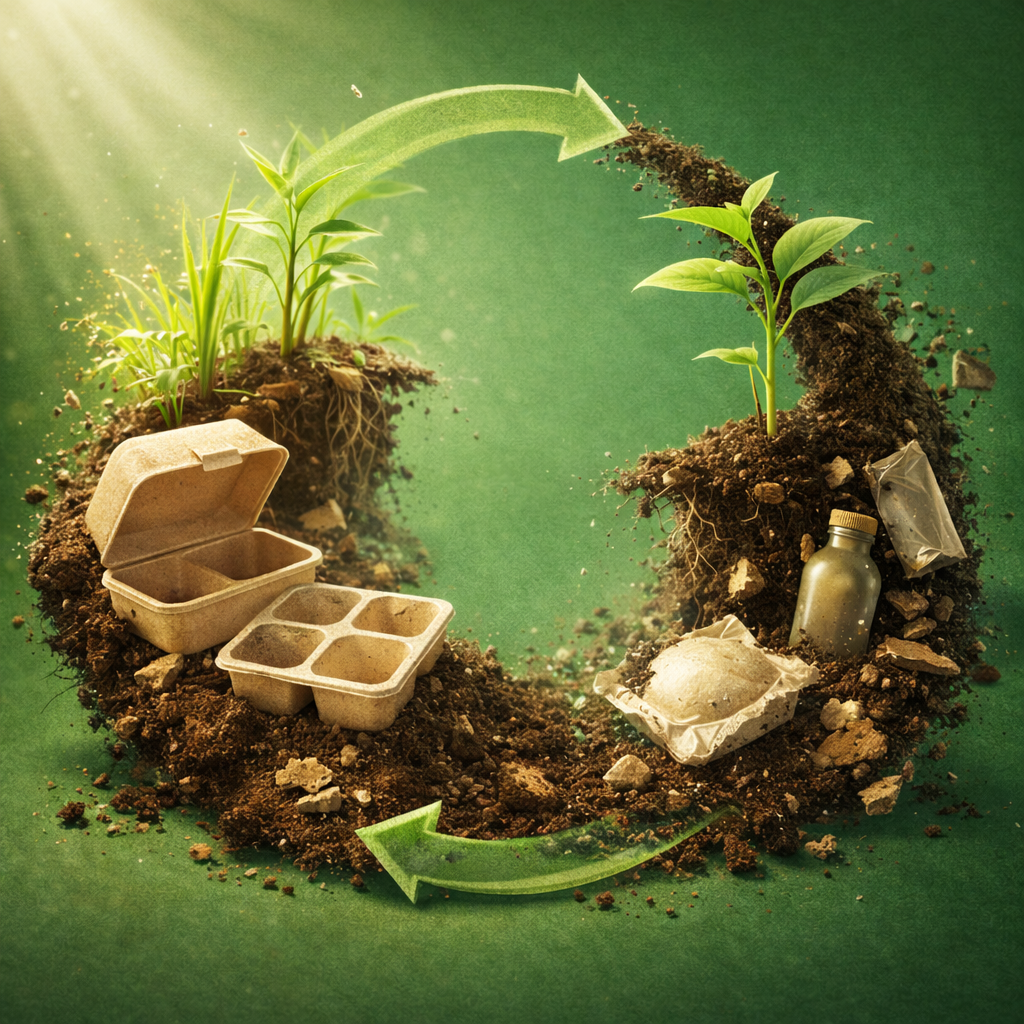
6 Revolutionary Plastic Alternatives in 2026 to Replace Traditional Plastic
9 Affordable Green Technology Products to Reduce Energy Consumption in 2026
How Fog Harvesting Is Redefining Water Security

Does Fast Fashion Cause Pollution

Water Efficiency and Sustainability
Micro Sustainability Habits to Reduce Carbon Footprint

Switching to plastic alternative packaging is the future. Small changes like this can create massive environmental impact