The global beauty industry is booming, but beneath its glossy surface lie growing environmental and health concerns. Synthetic fashion and makeup products contribute not only to personal health risks but also to climate change through petrochemical-based ingredients, microplastic pollution, and non-biodegradable packaging. From manufacturing emissions to chemical runoff entering water systems, conventional cosmetics leave a significant ecological footprint. Yet, the more immediate concern is what these products may be doing to your body. Many synthetic makeup formulations contain toxins that can silently disrupt hormones, irritate the skin, and even increase the risk of long-term disease. Understanding these hidden dangers is the first step toward safer, more sustainable beauty choices.
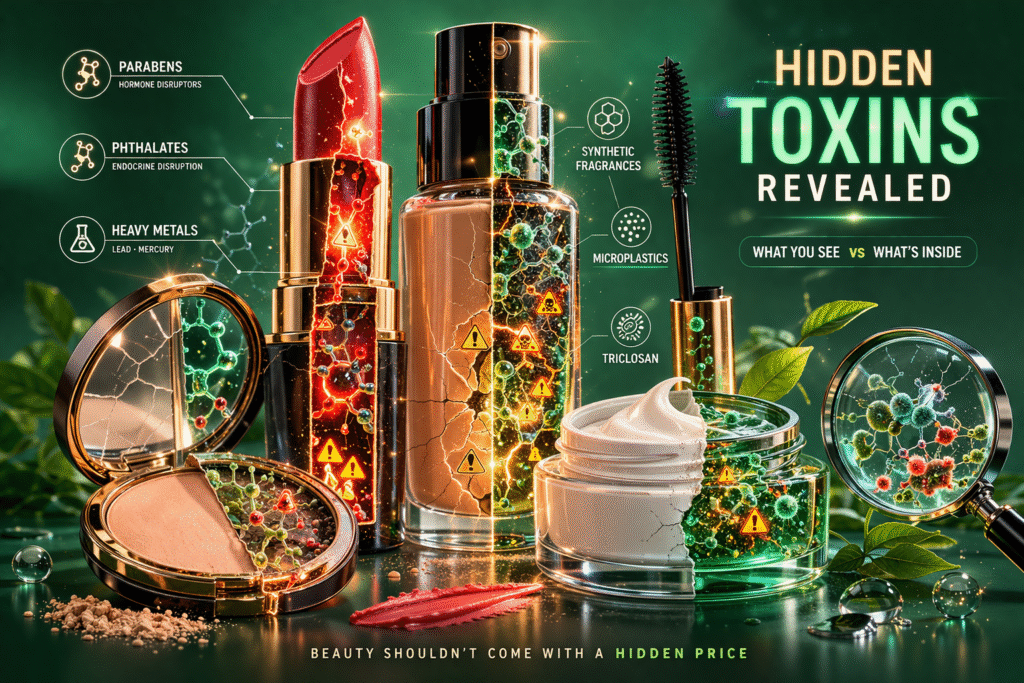
1. Parabens (Preservatives)
Parabens are widely used in cosmetics to prevent microbial growth, but they are known endocrine disruptors.
Side Effects & Health Harms:
- Mimics estrogen, disrupting hormonal balance.
- Linked to increased risk of breast cancer.
- Can cause reproductive issues in both men and women,
- Skin irritation and allergic reactions.
- May interfere with fetal development during pregnancy.
2. Phthalates
Often hidden under “fragrance,” phthalates are used to enhance scent longevity and flexibility in products.
Side Effects & Health Harms:
- Disrupt endocrine system function.
- Associated with reduced fertility and sperm quality.
- Linked to developmental issues in children.
- May contribute to obesity and insulin resistance.
- Can cause respiratory irritation.
3. Formaldehyde and Formaldehyde-Releasing Agents
Used as preservatives, these chemicals are known carcinogens.
Side Effects & Health Harms:
- Strong skin, eye, and respiratory irritant.
- Linked to cancers such as leukemia.
- Can trigger asthma attacks.
- Causes contact dermatitis.
- Weakens the immune system over time.
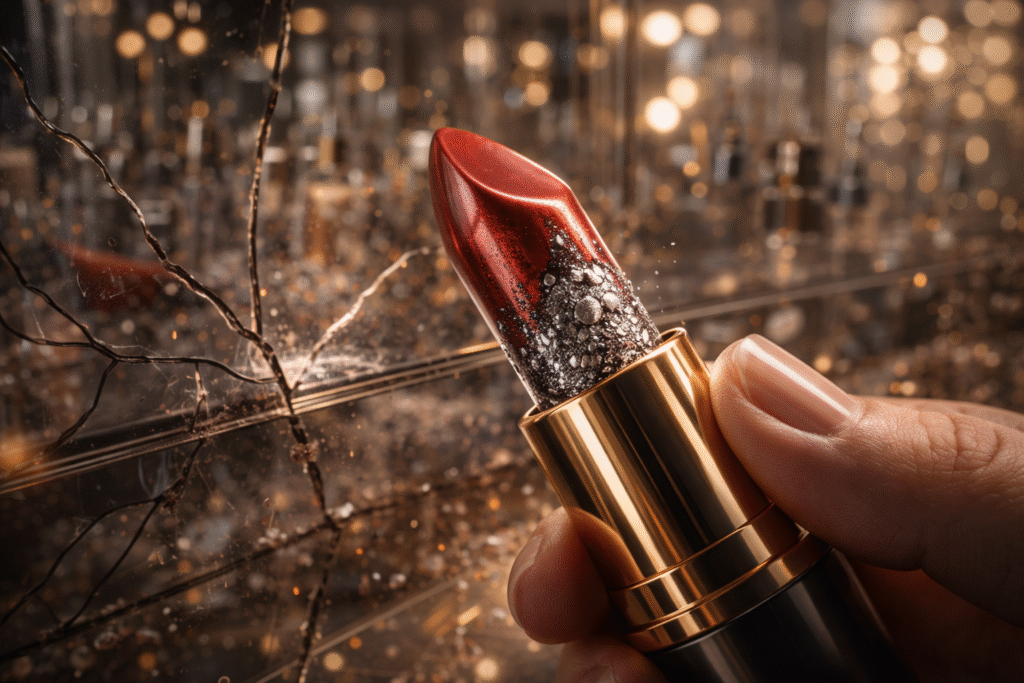
4. Lead (Heavy Metal Contaminant)
Lead can be found in lipsticks and eye products as a contaminant.
Side Effects & Health Harms:
- Neurotoxin affecting brain function.
- Impairs memory and cognitive development.
- Causes hormonal imbalance.
- Accumulates in bones and tissues over time.
- Particularly harmful to pregnant women and children.
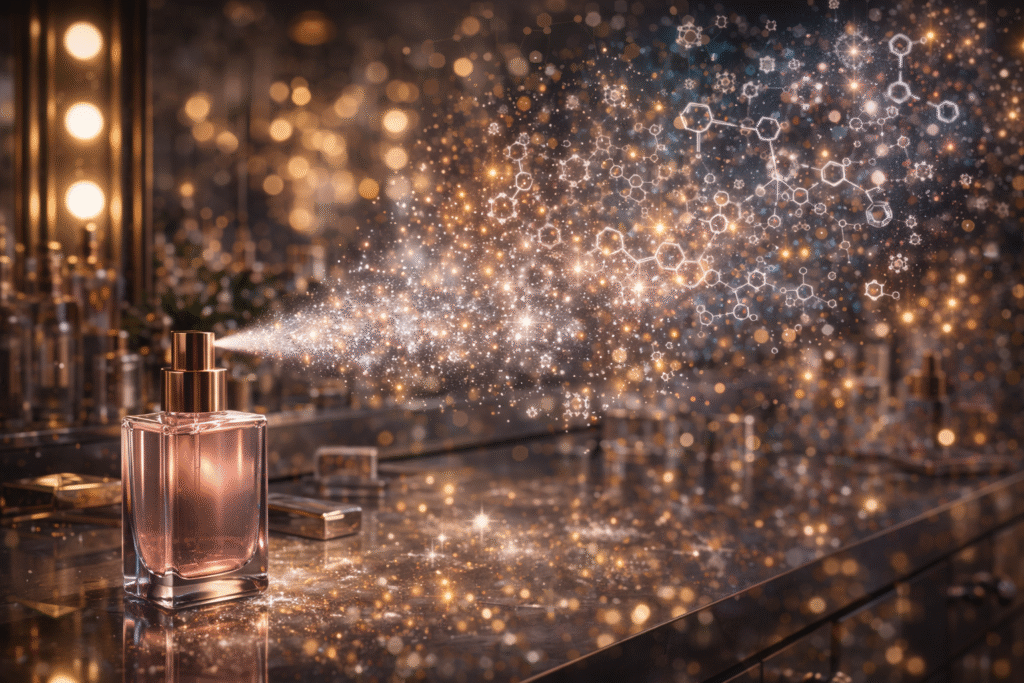
5. Synthetic Fragrances
A single “fragrance” label can hide hundreds of undisclosed chemicals.
Side Effects & Health Harms:
- Triggers headaches and migraines.
- Causes allergic skin reactions.
- Linked to hormone disruption.
- Can worsen asthma and respiratory issues.
- May affect nervous system function
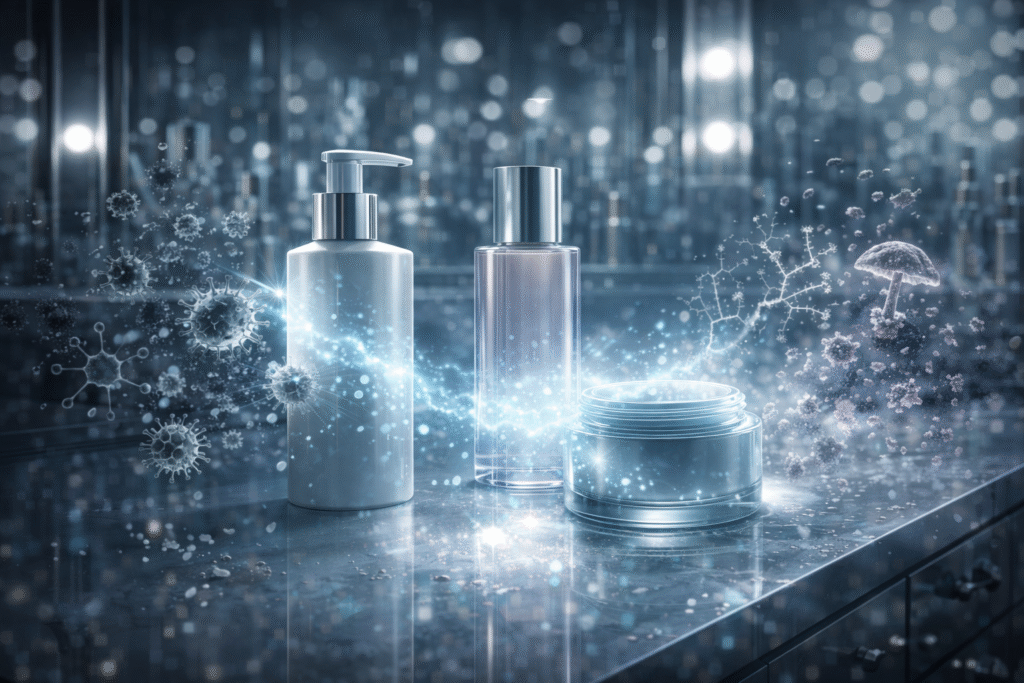
6. Triclosan
An antibacterial agent previously common in cosmetics.
Side Effects & Health Harms:
- Disrupts thyroid hormone function.
- Contributes to antibiotic resistance.
- Toxic to aquatic ecosystems.
- Can cause skin irritation.
- Linked to immune system dysfunction.
7. Talc (Potential Asbestos Contamination)
Used in powders for smooth application.
Side Effects & Health Harms:
- Risk of asbestos contamination (a known carcinogen).
- Linked to ovarian cancer when used in the genital area.
- Can cause respiratory issues when inhaled.
- Irritates sensitive skin.
- Long-term exposure may lead to lung inflammation.

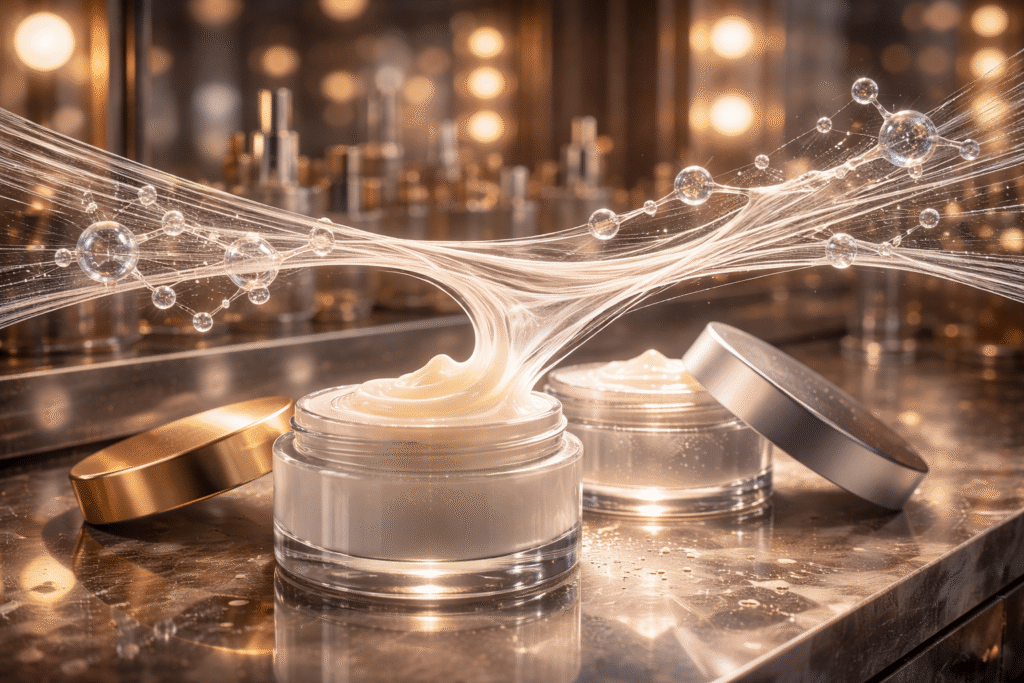
8. Polyethylene Glycols (PEGs)
Used as thickeners and softeners in creams and foundations.
Side Effects & Health Harms:
- May contain carcinogenic impurities (ethylene oxide, 1,4-dioxane).
- Increase skin permeability, allowing toxins to enter the bloodstream.
- Can cause skin irritation.
- Linked to organ toxicity in high exposure.
- Harmful to aquatic environments.
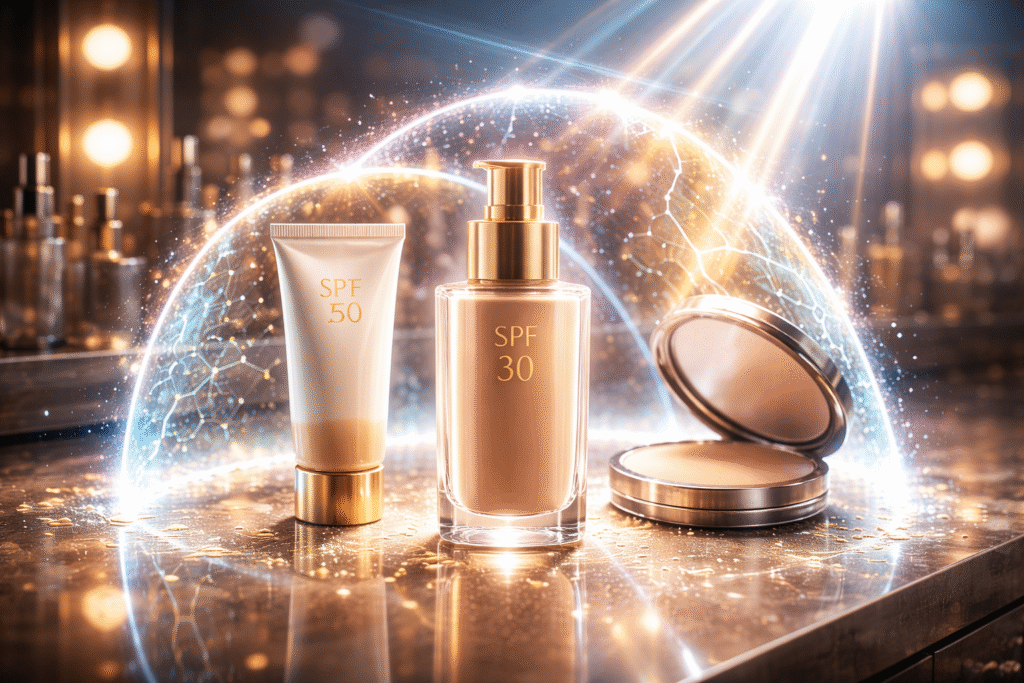
9. Oxybenzone (Chemical Sunscreen Agent)
Common in makeup with SPF.
Side Effects & Health Harms:
- Hormone disruptor affecting estrogen levels.
- Linked to allergic skin reactions.
- Can penetrate skin and enter the bloodstream.
- Associated with coral reef damage (environmental impact).
- May affect reproductive health.
10. Microplastics (e.g., Polyethylene Beads)
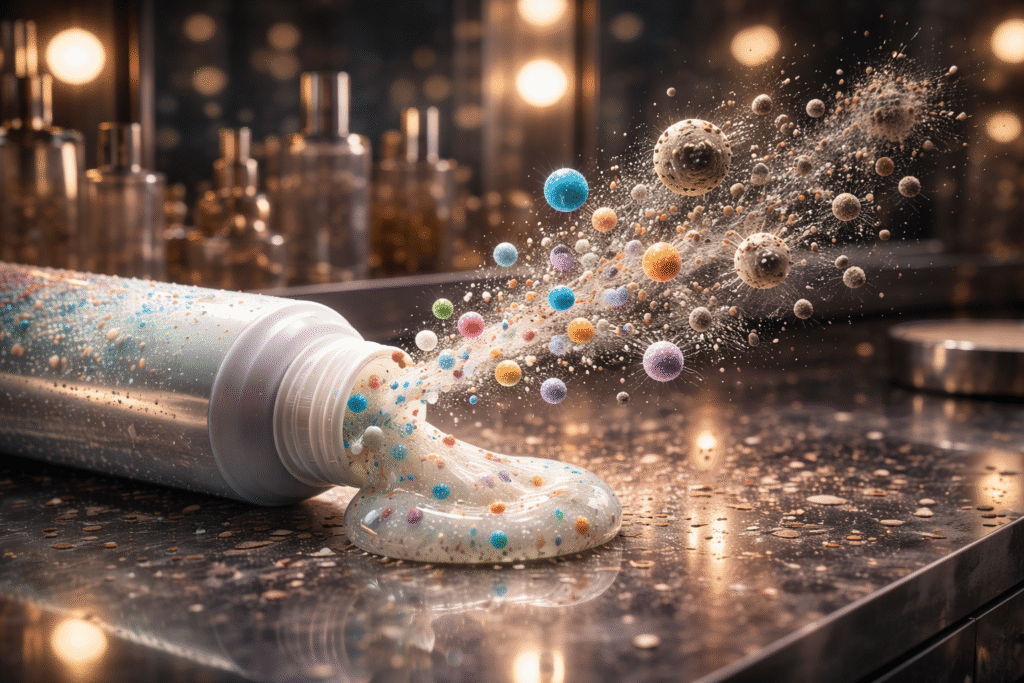
Used for texture, shimmer, or exfoliation.
Side Effects & Health Harms:
- Enter bloodstream through micro-abrasions.
- May carry toxic pollutants into the body.
- Accumulate in organs over time.
- Causes skin irritation and inflammation.
- Major contributor to environmental pollution.
Why Synthetic Makeup Is a Serious Health Concern
The danger of synthetic makeup lies not just in individual ingredients, but in cumulative exposure. Daily use of foundation, lipstick, mascara, blush creates a chemical cocktail that your skin absorbs over time. The skin is not an impenetrable barrier; many substances pass through it and enter the bloodstream. Moreover, these toxins can interact with each other, potentially amplifying their harmful effects. This is particularly concerning for individuals with sensitive skin, hormonal conditions, or compromised immunity.
Sustainable and Safe Alternatives
Shifting to safer beauty doesn’t mean sacrificing quality. Here are practical solutions:
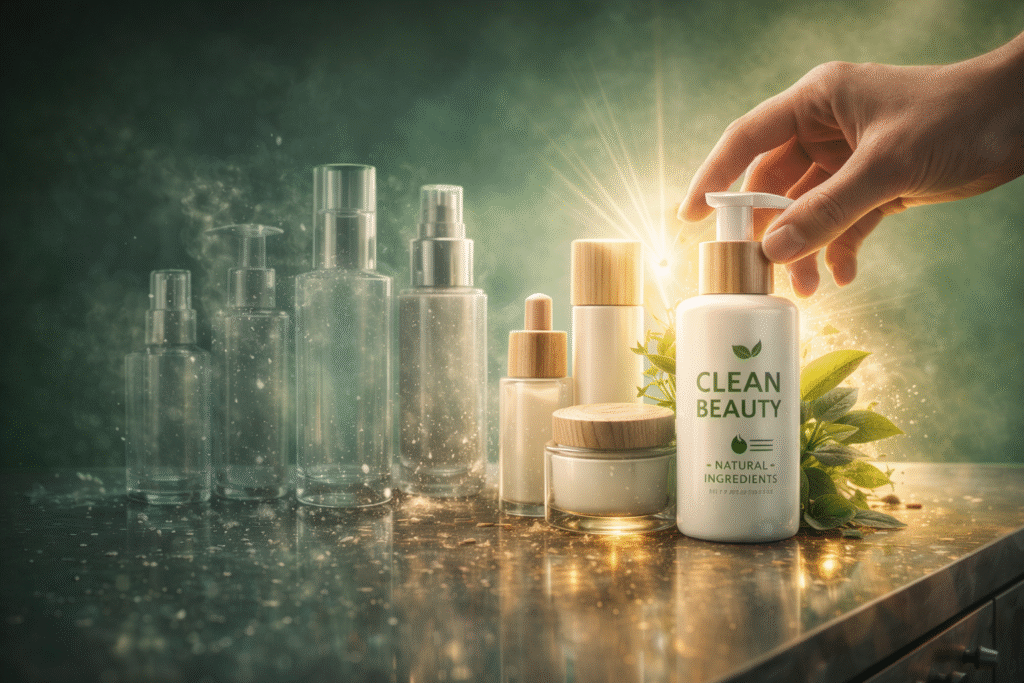
- Choose organic and natural cosmetics with certified ingredients.
- Look for labels like paraben-free, phthalate-free, and fragrance-free.
- Opt for brands using plant-based pigments and oils.
- Use minimalist makeup routines to reduce exposure.
- Support companies with eco-friendly packaging and ethical sourcing.
How to Identify Toxic Makeup Products
- Avoid vague terms like “fragrance” or “parfum.”
- Check ingredient lists for long, complex chemical names.
- Use apps like Think Dirty or EWG Skin Deep.
- Prefer transparent brands that disclose full formulations.
The Environmental Link: Beauty and Climate
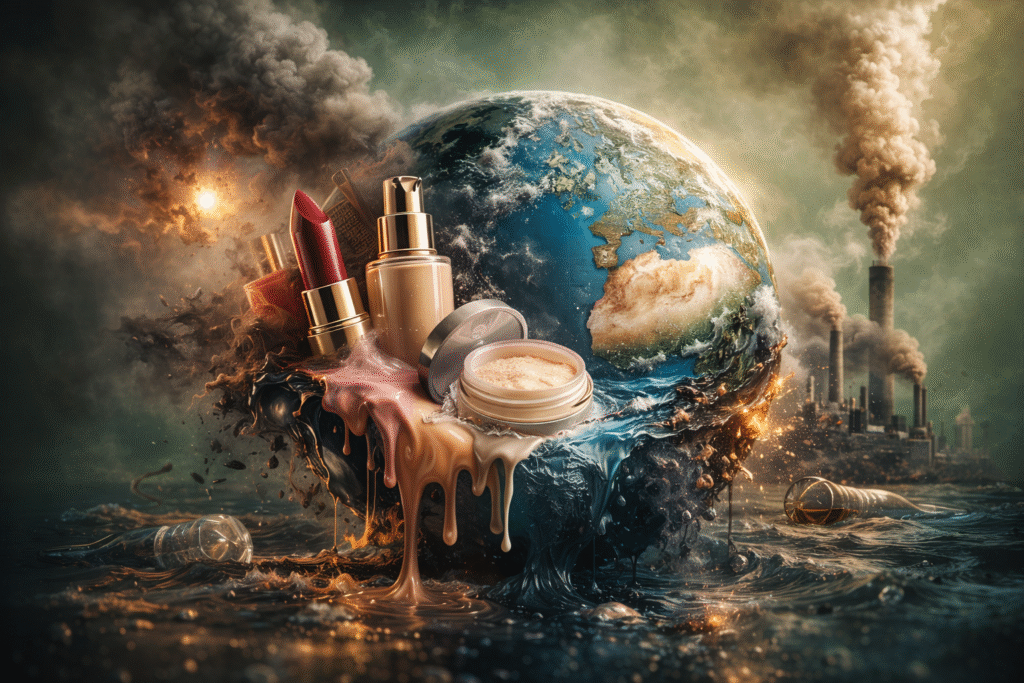
Synthetic cosmetics are heavily reliant on petroleum-derived ingredients. Their production emits greenhouse gases, while their disposal contributes to landfill waste and ocean pollution. Microplastics from makeup are now found in marine life and even drinking water. By choosing cleaner alternatives, you not only protect your health but also reduce your ecological footprint.
Conclusion: Awareness Is the First Step Toward Safer Beauty
Your makeup routine should enhance your confidence, not compromise your health. The hidden toxins in synthetic cosmetics pose real risks that accumulate over time, affecting everything from hormonal balance to the development of long-term diseases. By becoming more conscious of what you apply to your skin, you empower yourself to make safer, smarter choices.
Awareness is not about fear—it’s about informed action. Read labels, question ingredients, and support brands that prioritize both human health and environmental sustainability. The beauty industry is evolving, and your choices can help shape a cleaner, healthier future—for yourself and for the planet.
Related Guides
10 Frequently Used Plastic Bathroom Swaps for an Eco-Friendly Home
10 Frequently Used Plastic Items Swaps for a Sustainable Kitchen

Plastic Is Dying: These 10 Packaging Alternatives Are the Future

6 Revolutionary Plastic Alternatives in 2026 to Replace Traditional Plastic
9 Affordable Green Technology Products to Reduce Energy Consumption in 2026

How Fog Harvesting Is Redefining Water Security