Families around the world are now discovering that cutting energy use isn’t just about savings on utility bills; it’s about building healthier homes, reducing carbon footprints, and preparing for a future where every watt counts. In 2026, a new generation of green technologies has entered the mainstream. These solutions are not reserved for luxury eco-houses or Silicon Valley startups, but are cost-effective, accessible, and relevant to everyday families worldwide.

1. The Smart Thermostat: Personalized Comfort That Saves Energy
Why Smart Thermostats Matter
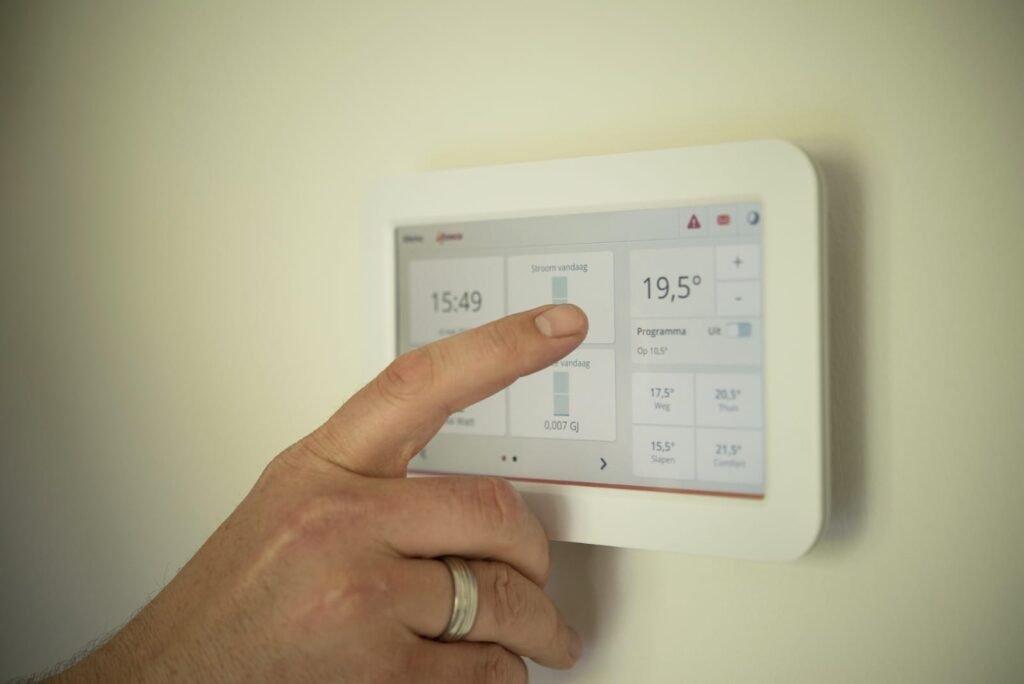
Heating and cooling account for up to 50–70% of household energy use in many regions. Traditional thermostats maintain temperature even when no one is home, wasting energy and money. A smart thermostat changes that by adapting to your lifestyle.
Case Study:
- A large utility-linked study of the Nest Learning Thermostat found about 9.6% natural gas savings for heating after installation.
- The same study reported around 17.5% electricity savings for cooling compared to prior HVAC usage.
- Smart thermostats automatically adjust temperatures based on patterns and weather, helping reduce wasted heating and cooling cycles compared with manual controls.
- Energy-saving performance varies by home characteristics, climate, and occupant behavior but consistently shows energy reduction relative to conventional thermostats.
- Independent certification programs (e.g., ENERGY STAR) require real-home data demonstrating HVAC savings before products earn an efficiency label. Wikipedia
2. Smart Plugs and Power Strips: Reducing Invisible Energy Waste
The Hidden Cost of Standby Power
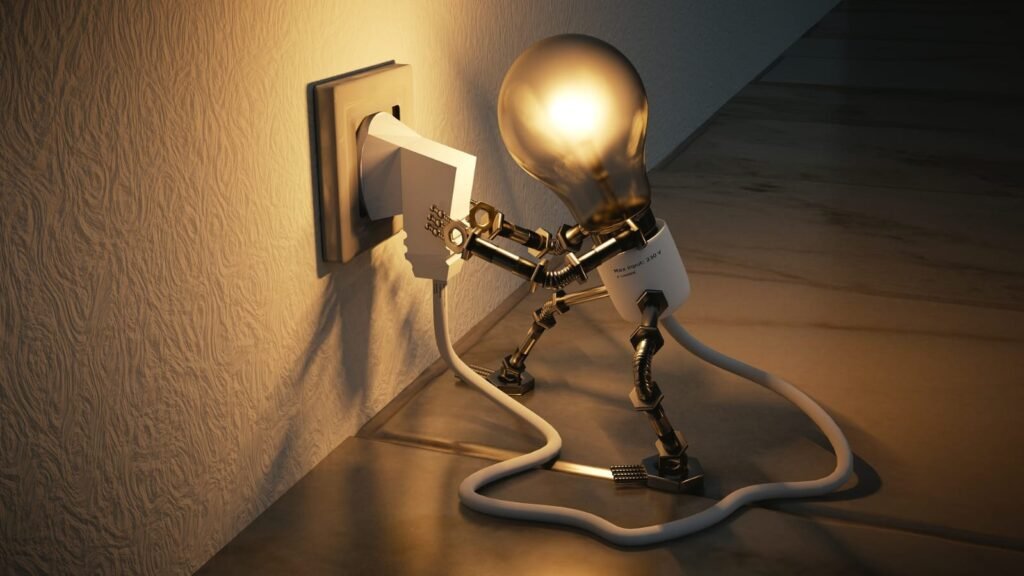
Many devices, TVs, chargers, and kitchen appliances draw small amounts of power even when “off.” Over a year, this standby power can amount to 5–10% of a household’s energy use.
Smart plugs are a simple, low-cost ($10–$30 each) solution that lets families turn devices completely off on schedules or remotely via smartphone.
Case Study:
- Long-term monitoring of households using smart plugs showed homes using around 5% less energy when appliances were controlled and monitored via smart plugs compared to before.
- Smart plugs eliminate standby power draw from idle devices, helping cut “phantom” energy that can otherwise account for 5–10% of residential electricity use.
- In real deployments, smart plug scheduling and remote shut-off reduced phantom load consumption by an average of ~6.3% across hundreds of homes.
- Controlled experiments found smart plugs can cut standby consumption by 75–90% on individual devices, lowering annual energy waste.
- Average annual savings from targeted smart plug use (e.g., on TVs and consoles) can reach roughly $70 per household when eliminating idle loads. mdpi.com
3. Energy Efficiency: LED Lighting and Daylight Sensors

Why LED Matters
Traditional incandescent bulbs convert most energy into heat, not light. LED bulbs, by contrast, use up to 85% less electricity and last 10–25 times longer. An entire home upgrade to LEDs can often be completed for $50–$150 USD, depending on the number of fixtures.
But the savings amplify when paired with daylight sensors, small devices that dim or turn off lights automatically when natural light is sufficient.
Case Study: LED Lighting with Daylight Control
A 2024 building-energy experiment tested LED lighting combined with daylight-responsive controls:
- The system used LED lights with automatic dimming based on natural daylight.
- When sufficient daylight entered the space, the lights automatically reduced output.
- The setup achieved up to 85.65% reduction in lighting electricity use compared to conventional lighting.
- Other daylight-sensor scenarios in the same research showed 29% to 67% typical savings depending on conditions.
The study confirmed that combining LEDs with daylight-based controls can dramatically reduce energy use, especially during periods with strong natural light. MDPI
4. Low-Flow Fixtures: Water and Energy Savings Combined
Water Efficiency: Understanding Water-Energy Interactions
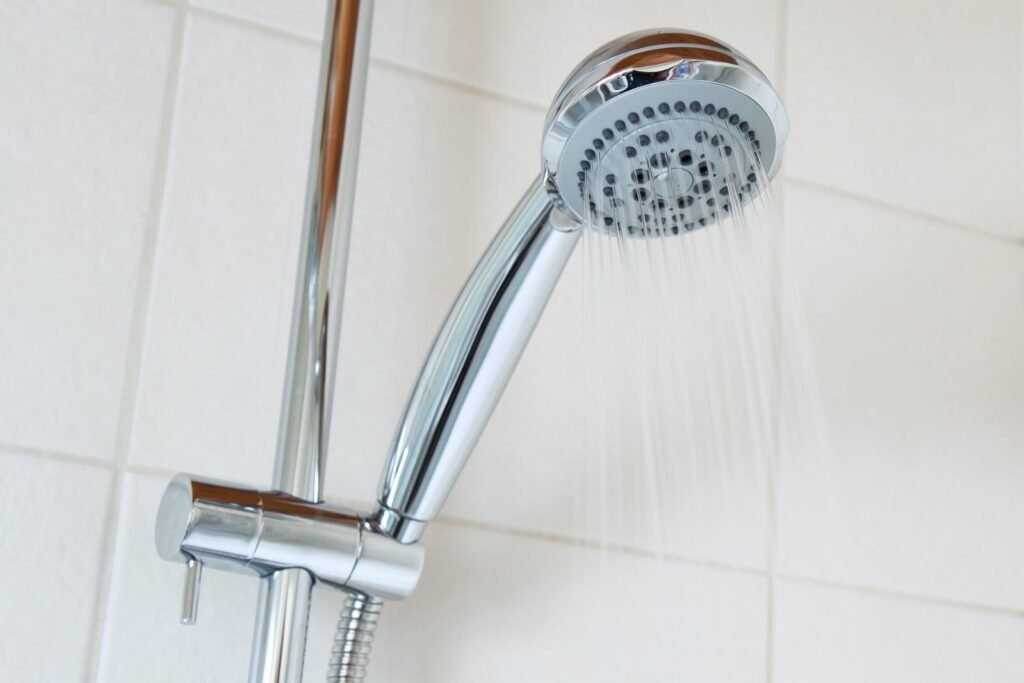
Heating water accounts for a significant portion of household energy use, often up to 20% in many homes. Simple low-flow showerheads and faucet aerators can significantly reduce water use, thereby lowering the energy required to heat the water.
Quality low-flow fixtures cost $15–$50 USD and can reduce hot water consumption by 25–40% without compromising comfort.
Case Study:
- Water heating accounts for roughly 18–20% of total household energy use, making it one of the largest energy loads in homes.
- Reducing hot water use directly lowers energy demand because less fuel or electricity is required to heat water.
- Installing low-flow showerheads and faucet aerators can reduce hot-water consumption by about 25–40% compared to older fixtures.
- Modern low-flow fixtures are designed to maintain comfort and pressure while significantly reducing water and energy use.
- Quality low-flow showerheads and aerators typically cost USD $15–$50, offering quick payback through combined water and energy savings. energy.gov
5. Solar Chargers and Portable Panels: Renewable Energy in Every Room
Portable Solar for Everyday Use
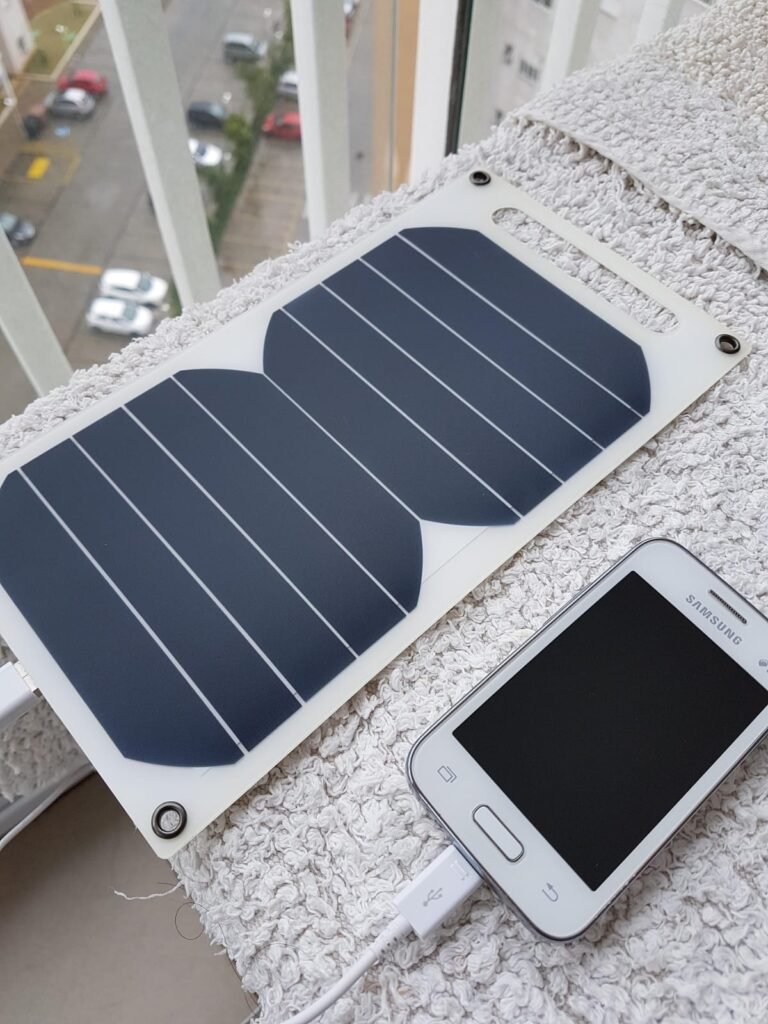
Not every home can install a full rooftop system. But small solar chargers and portable solar panels (often $30–$150 USD) allow families to charge phones, power outdoor lights, or supplement small appliances during outages.
These devices are especially valuable in areas with frequent grid instability.
Case Study:
- Small solar kits with panels and batteries delivered to about 800 rural homes in Ghana saved more on energy costs annually than the system’s purchase price by powering lights and phone charging.
- Portable solar systems provide basic off-grid electricity for small loads such as lighting, phone charging, and radios where grid access is unreliable or absent.
- Households using these solar kits reduced expenditures on traditional energy sources (e.g., paid phone charging, batteries) and could redirect savings to education or productive use.
- These solar plus battery solutions achieved annual savings (~$70) that exceeded the kits’ average hardware cost (~$51), showing quick financial payback in low-income settings.
- The case study underscores how small renewable energy systems can enhance energy resilience and access to basic services in areas with frequent grid instability. pv-magazine.com
6. Energy Monitors: Knowledge That Saves Watts
Why Awareness Matters
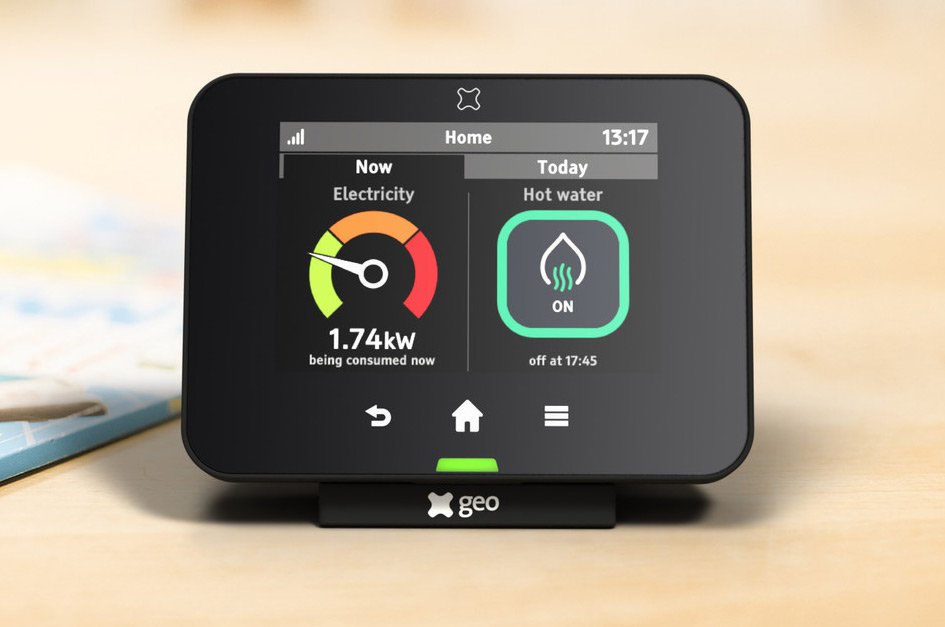
You can’t manage what you don’t measure. Home energy monitors connect to a home’s electrical panel or smart meter and provide real-time usage insights. Prices range from $50–$200 USD, and the visibility they offer often leads to behavior changes that significantly reduce energy use.
These devices indicate which appliances consume the most power and when peak usage occurs, information that directly influences behavior.
Case Study:
- Studies show that home energy displays and real-time feedback can reduce household electricity use by several percent once installed.
- In Ontario, Canada, the deployment of energy monitors in 500 homes resulted in a 6.5% reduction in total electricity consumption relative to a comparison group.
- A six-month study in Sabadell, Spain, found that weekly electricity use fell by ~12–14% after the introduction of in-home energy feedback displays.
- Research across Dutch households indicated that feedback from energy displays contributed to measurable annual energy savings when paired with the rollout of smart meters.
- OECD analysis observed that households with in-home displays typically reduced electricity and gas use compared to control groups. oecd-opsi.org
7. Heat Pump Dryers and Washing Machines: Efficient Laundry Tech
Understanding Laundry Energy Use
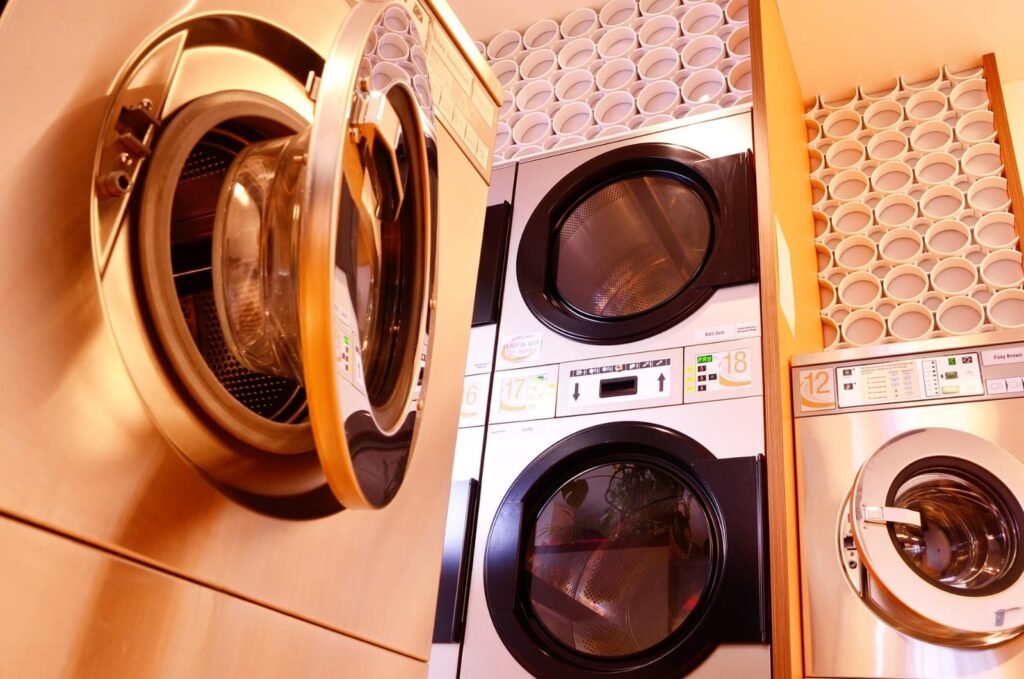
Laundry appliances historically use significant energy, often more than lighting or entertainment systems. Heat pump dryers and inverter-driven washing machines are not always cheap, but many cost-effective models have entered the market in 2026, with prices competitive with traditional appliances.
These technologies use advanced heat-exchange and motor-control systems to reduce energy use by 30–50%.
Case Study:
- Heat pump clothes dryers can use 40–60% less energy than conventional dryers because they recycle heat rather than venting it.
- ENERGY STAR-rated heat pump dryer combos can save households $130–$500 in lifetime utility costs compared with standard appliances.
- Field research found that compact heat pump dryers in Minnesota homes achieved an average energy reduction of 20–60% compared with traditional dryers.
- Real-world consumer reports show new combo washer/heat pump dryer units consuming less than 1 kWh per full wash-and-dry load, well below typical conventional usage.
- Market data indicates heat pump laundry appliances have become more price-competitive with traditional machines, attracting buyers focused on energy costs. energystar.gov
8. Window Film and Insulation: Passive Tech That Reduces Heating & Cooling Loads

The Value of Passive Solutions
Before jumping to solar panels or smart systems, many families overlook passive energy tech, inexpensive materials that naturally reduce energy demand. Window films, weather stripping, and improved insulation keep homes cooler in summer and warmer in winter.
These solutions often cost $20–$200 USD but deliver energy savings comparable to some active technologies.
Case Study:
- Applying solar or low-emissivity window films can reduce cooling energy consumption by over 25–35% in buildings by cutting solar heat gain through glazed surfaces.
- Case studies show window films can reduce annual cooling energy use by up to ~35% and cut overall building energy demand as films lower heat transmission.
- Insulation films and weatherstripping around windows and doors frequently yield noticeable energy savings (e.g., up to ~6% of heating/cooling costs) by reducing drafts and heat loss.
- Simulation research found window films reduced total heating and cooling consumption by several percent and cut associated CO₂ emissions as part of an energy retrofit strategy.
- Energy-saving window films and insulation upgrades often pay back quickly relative to their modest costs, especially in climates with strong seasonal temperature swings. mdpi.com
9. Personal Electric Transport: Scooters and Bikes for Short Trips
Green Transportation at Home
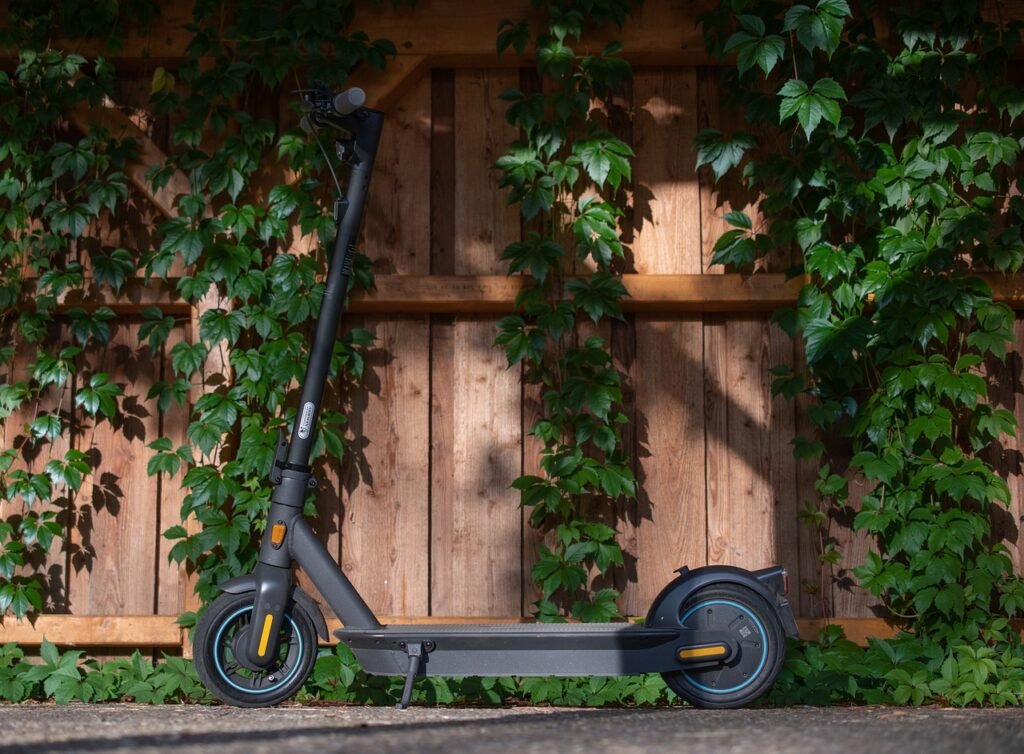
Families living in urban and suburban areas are increasingly adopting electric scooters and bikes for short commutes, errands, and school runs. While not a home device per se, this green tech choice directly cuts energy consumption and fossil fuel use.
Affordable models start at $300–$800 USD, and even modest adoption reduces fuel costs and traffic emissions.
Case Study:
- Light electric vehicles, such as e-scooters and e-bikes, are increasingly adopted as sustainable urban transport options due to their cleaner, space-efficient mobility.
- Systematic reviews indicate that when e-scooters and e-bikes replace car travel, they reduce overall energy consumption and emissions relative to conventional motor vehicles.
- Energy analysis suggests e-scooters can travel far greater distances per unit of energy than traditional gasoline vehicles, lowering fuel demand.
- Research models indicate e-bikes have particularly high potential to save energy at the city or national scale when widely adopted.
- Case findings also indicate that modal shifts toward micromobility reduce pressure on urban transport systems, thereby contributing to cleaner streets and lower traffic-related energy use. mdpi.com
A Practical Path Forward
If you’re a family looking to improve energy efficiency in 2026, here’s a practical step-by-step plan based on devices that are affordable, effective, and globally accessible:
Start with measurement: Get an energy monitor.
Cut obvious waste: use smart plugs to reduce standby power.
Upgrade lighting: Switch to LEDs with daylight sensors.
Optimize climate control: Install a smart thermostat.
Save heated water by installing low-flow fixtures.
Consider renewable options: Add small solar chargers or panels.
Upgrade appliances strategically: Focus on laundry first.
Add passive tech: Improve insulation and seal leaks.
Adopt green transport for short trips.
Together, these steps can reduce household energy use by 30–50% or more, improve comfort, and build resilience against rising energy costs.
Conclusion: Energy Savings as Family Empowerment
Green technology isn’t futuristic. It’s practical, affordable, and life-improving. Families everywhere can adopt these solutions without specialist skills, costly installations, or complex infrastructure. Real households, whether in Mexico City, Copenhagen, Cape Town, or Rajasthan, are already experiencing the benefits.
The lesson of 2026 is clear: energy saving begins at home, with choices that are both smart and accessible. By adopting affordable green tech devices, families not only reduce bills but also create healthier, more sustainable ways of living and take meaningful steps toward a cleaner planet for future generations.
Related Guides
Plastic Is Dying: These 10 Packaging Alternatives Are the Future

6 Revolutionary Plastic Alternatives in 2026 to Replace Traditional Plastic
How Fog Harvesting Is Redefining Water Security

Does Fast Fashion Cause Pollution

Water Efficiency and Sustainability

Micro Sustainability Habits to Reduce Carbon Footprint